


The Fall Lawn Tasks Winnipeg Homeowners Skip—and Regret Every Spring
Reading time: 5 minutesEvery April, like clockwork, Winnipeg homeowners pull back from the window, see a grey, matted, patchy lawn emerging from under the snow, and blame the winter.
Winter isn't the problem.
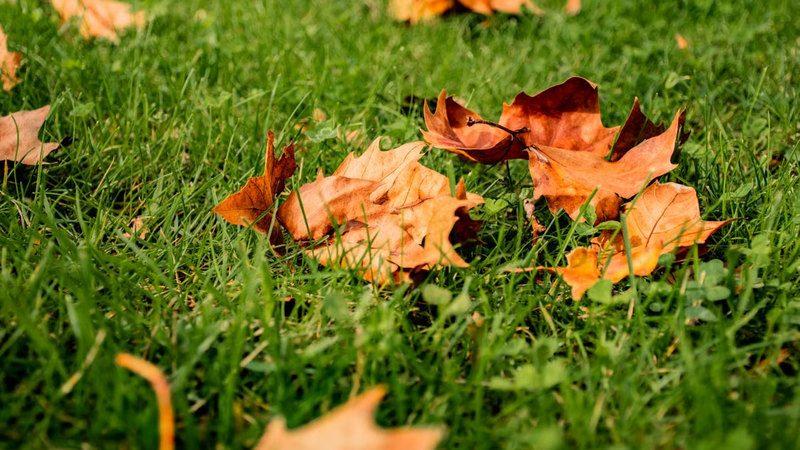
Winnipeg winters are long and heavy. Six months under a serious snow load is a stress test for any lawn.
But how well a lawn passes that test is almost entirely determined by what happened, or didn't happen, in fall. The spring lawn is a direct report card on the fall. Winters just make the grading harder to ignore.
Here are the five tasks most often skipped, and what each one costs you come April.
Task 1: Getting the Final Mow Height Right
In our experience, most Winnipeg homeowners either stop mowing too early and leave the lawn too long, or scalp it on the final cut assuming shorter means safer.
Both create problems.
The sweet spot going into winter is around 6cm.
Too long (above 8cm) | Too short (below 5cm) | |
What happens under snow | Grass blades mat and trap moisture against the turf surface | Roots enter freeze-up with depleted energy reserves |
Disease risk | Creates ideal conditions for snow mould to establish | Grass is already stressed going into the coldest months |
Spring result | Grey, matted patches slow to stand back up | Slow, uneven green-up across the whole lawn |
Time the final cut for when growth has visibly slowed but before the first hard frost. Don’t wait for the last warm afternoon in October when the ground is already near-frozen.
Task 2: Leaf Removal
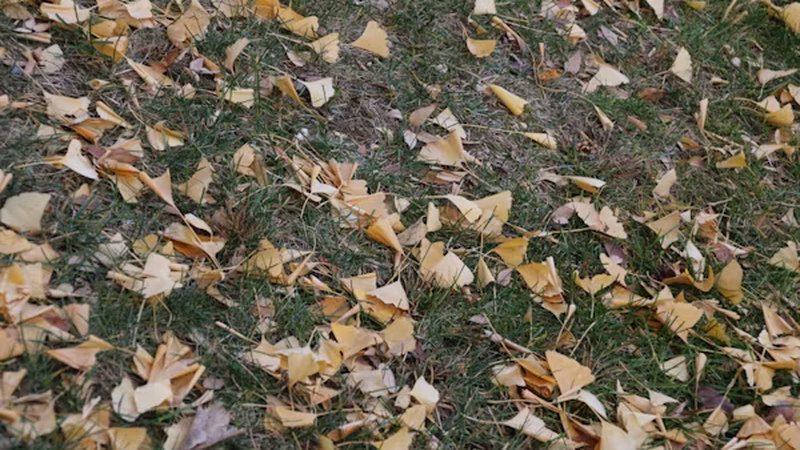
A thin scatter of leaves isn't a problem. A thick, wet layer sitting against the turf surface under six months of Manitoba snow is.
Leaves left on a Winnipeg lawn through winter create the same moisture-trapping, light-blocking conditions that snow mould needs. By the time the snow melts, the damage is already done. Discoloured patches appear in the first weeks of spring, in the exact shape of where the leaves sat.
Clear leaves before the first significant snowfall. Winnipeg’s fall is unpredictable enough that waiting for the right moment can be risky. Some years that window doesn't come.
Task 3: Fall Aeration (The Most Skipped High-Value Task)
Fall aeration is often ignored altogether or pushed to spring. Unfortunately, both choices cost the lawn.
In fall, grass actively redirects energy downward as roots push deeper in preparation for winter. Aerate in Sept/Oct, and those roots have 4–6 weeks to expand into freshly opened channels before the ground locks. Aerate in spring, and you're helping a lawn recover from winter, not preparing it for one.
Both have value, but they're not interchangeable.
Winnipeg has clay-heavy soil, and clay compacts hard under the snow load and closes fast in freeze-up. Roots that go into winter in unbroken, compacted soil come out of it the same way — shallow, limited, and slow to recover.
Task 4: Fall Fertilizing (The Mistake That Shows Up in May)

Don’t assume fertilizing after August is pointless.
Grass roots in Winnipeg remain active and absorbing nutrients well into October. A late-season application doesn't push top growth. It builds the root energy reserves that determine how quickly and fully the lawn recovers come spring.
Skip it, and the lawn goes into winter nutritionally behind. The consequences show up in May:
- Slow, uneven green-up as the lawn tries to recover without stored reserves to draw on
- Thin density early in the season, leaving gaps for weeds to colonise before the grass has thickened
- Poor freeze-thaw resilience, as roots without adequate potassium handle cycling worse than they should
- More bare patching visible in April, particularly in areas that were already borderline going into fall
A correctly timed fall fertilizer application is the single highest-return task on this list. It's also the one most consistently skipped because the lawn looks fine in September and the benefit doesn't show up until the following May.
Task 5: Overseeding Thin and Bare Areas
Bare patches don't fill themselves. Six months under a Winnipeg snow load won't improve them. If anything, bare soil is more vulnerable to winter damage, erosion under snow, and frost heaving than established turf.
September is the last realistic window to get seed down, germinated, and established before dormancy. Cool-season grasses need 4–6 weeks of soil temperatures above 10°C to take hold. Mid-September to early October is the practical deadline, and by that time the window is closing.
We recommend overseeding immediately after fall aeration. Open aeration cores provide direct seed-to-soil contact, bypassing the compacted surface that makes germination unreliable on an unprepared lawn. Seed that falls into fresh cores establishes far better than seed broadcast onto an unbroken surface.
The Spring Report Card
Every skipped fall task has a corresponding spring consequence. They're predictable, they're consistent, and they're hard to miss.
Skipped in fall | What you see in April | How long it takes to recover |
Final mow too long | Grey, matted turf. Snow mould patches where moisture sat all winter. | Snow mould patches can take 4–6 weeks to recover, if they recover at all without treatment. |
Leaves left on lawn | Brown patches in the exact shape of the leaf coverage, often with visible fungal residue. | Depends on severity. Light cases recover in weeks. Heavy coverage can damage turf permanently. |
No fall aeration | Slow green-up, compaction carrying through the entire growing season, limiting root depth. | Compaction relief requires a full aeration cycle. The lawn runs behind all summer. |
No fall fertilizer | Thin, uneven growth through May and June. Weeds filling gaps before grass has thickened. | Growth catches up by mid-summer, but the early weed window is already lost. |
No overseeding | Same bare patches as last year, now larger after winter erosion and frost heaving. | Bare areas won't fill on their own. Another full overseeding cycle required in fall. |
Getting these five tasks right doesn't guarantee a perfect April, but skipping them most definitely means a difficult one.
Don't Let the Fall Window Slip
The fall fertilizer application is the highest-return task on this list, and the most consistently skipped.
Green Drop's fall program handles fertilizer timing, aeration, and overseeding on a schedule built around Winnipeg’s freeze calendar.
Book your fall fertilizer application in Winnipeg before the fall window closes.