


Common Lawn Problems in Winnipeg (And How to Fix Them)
Reading time: 5 - minutesWinnipeg lawns go from deep freeze… to soggy mess… to “why is it this hot already?” in what feels like five minutes.
So if your grass looks a little patchy, pale, or just not quite right, it’s basically reacting to everything it’s just been through. And that’s a lot.
Most lawn issues in our part of town follow a pretty predictable pattern tied to our climate. You just need to know what you’re looking at.
We sat down with our GreenKeepers in Winnipeg to break down what’s actually going on in their yard—and how you can fix it before it gets worse.
What Are the Most Common Lawn Problems in Winnipeg?
1. Clay Soil Compaction & Poor Drainage
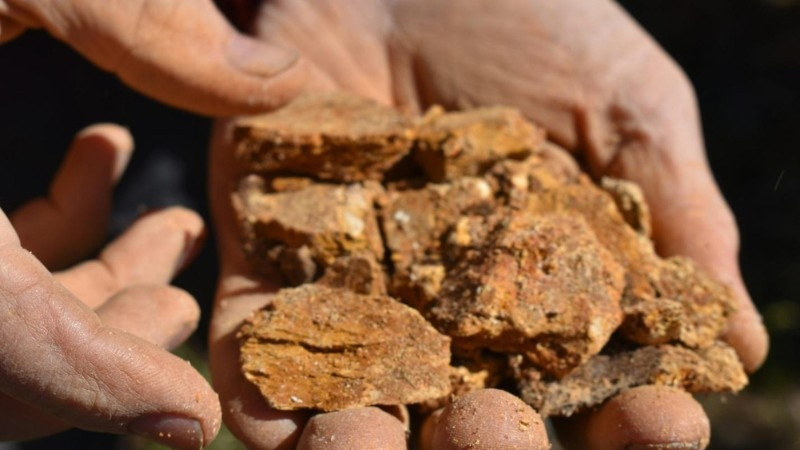
Clay soil has a bit of a split personality. In spring, it tends to hold onto water. That can leave parts of your lawn soggy, slow to dry, and vulnerable to root stress. By mid-summer, the same soil often hardens and becomes dense, making it difficult for water and oxygen to move through it.
Once compaction sets in, you’ll notice:
- roots struggle to grow deeper
- oxygen flow is reduced
- nutrients don’t move efficiently
- water can’t penetrate evenly
This results in patchy or uneven growth. Improving drainage with lawn aeration early in the season makes a huge difference.
Why Aeration Is Critical for Winnipeg Lawns
By removing small plugs of soil, aeration creates channels that allow:
- water to move deeper
- oxygen to reach roots
- nutrients to absorb properly
- roots to expand
This helps with drainage and also improves how the entire lawn functions. Watering becomes more effective. Fertilizer performs better. Overseeding establishes faster.
For Winnipeg lawns, aeration is often the difference between a lawn that struggles every year and one that recovers properly.
2. Freeze–Thaw Cycles & Winter Kill
You know those dead-looking patches that you see on your lawn in spring, winter is usually the reason.
Winnipeg lawns go through repeated freeze–thaw cycles during late winter and early spring. This constant expansion and contraction stresses the root system and can sometimes lift grass crowns slightly out of the soil.
Top that off with heavy snow piles, ice buildup, and prolonged snow cover. It’s no wonder certain sections of the lawn do not recover evenly.
This often shows up as:
- thin or straw-coloured patches
- dead spots near sidewalks and driveways
- weak areas where snow sat longest
Sometimes it’s winter kill. Other times it’s simply delayed recovery. The difference only becomes clear after a few weeks of warming temperatures.
3. Brown Patches From Chinch Bugs or Drought Stress
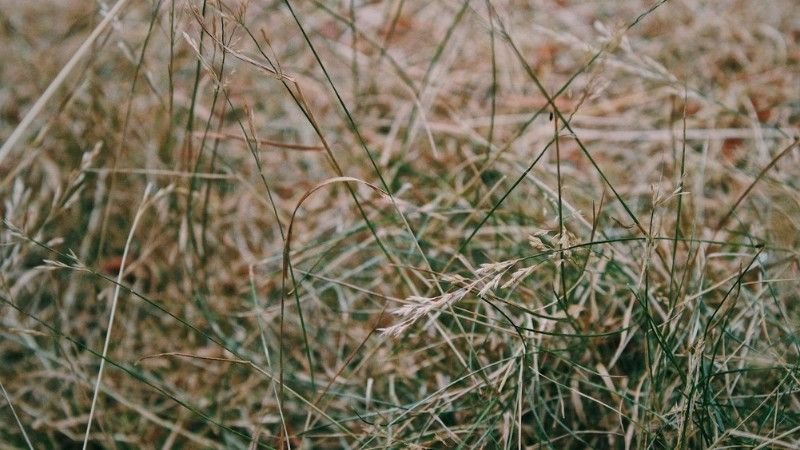
Brown patches don’t always mean your lawn needs more water. We see most homeowners mistaking the cause. Sometimes it’s drought, sure. And watering will help over time. But other times, it could actually be insect damage.
Chinch bugs are a common culprit, especially in sunny, exposed areas. They feed on grass blades and roots, leaving behind dry-looking patches that can easily be mistaken for drought stress.
Here’s how to tell the difference:
Chinch Bugs | Drought Stress |
Damage usually appears as patchy, irregular brown or yellow areas that don’t follow a consistent pattern | Discolouration tends to appear more evenly across larger sections of the lawn |
The affected area continues to worsen even after regular watering | The lawn typically begins to recover once it receives deep, consistent watering |
Damage often starts in hot, sunny, dry areas, such as along driveways, sidewalks, or south-facing sections | Can affect any area exposed to prolonged heat or a lack of rainfall |
The brown patch often spreads outward over time as the insects continue feeding | The damaged area usually stabilises rather than actively spreading |
Grass may feel dry and brittle on the surface, with little improvement after watering | Grass may go dormant temporarily, but usually regains colour when moisture levels improve |
Nearby turf can still remain healthy and green, creating a noticeable contrast | Colour change is often more gradual and consistent across the affected zone |
This distinction matters because watering won’t fix chinch bug damage. In fact, many homeowners keep watering more, thinking the lawn is thirsty, while the real problem continues underneath.
4. Humid Summers Can Trigger Lawn Disease
Summer in Winnipeg doesn’t just bring heat; it also brings humidity, and that, in turn, creates ideal conditions for lawn disease. When grass stays damp for extended periods, especially overnight, fungal issues can start to show up.
You’ll start seeing circular tan or brown patches, discoloured sections, or areas that look matted.
The most common summer lawn diseases in Winnipeg include dollar spot, brown patch, and occasionally red thread in stressed lawns.
These issues are usually triggered by a combination of:
- humidity
- poor airflow
- overwatering
- low nutrient levels
The good news is that these problems often respond well to better lawn health practices. Proper mowing height, early watering, and consistent fertilization help the lawn outgrow minor disease damage.
Watering & Mowing Best Practices for Winnipeg
Sometimes the issue isn’t the lawn itself; it’s your lawn care practices that are damaging it.
- Watering too frequently but too lightly is one of the biggest mistakes. It encourages shallow roots, which makes the lawn more vulnerable to heat and dry spells later in the season. Instead, deeper, less frequent watering helps roots grow down into the soil where moisture lasts longer.
- Mowing matters too. Cutting the lawn too short weakens the turf and exposes the soil to more direct heat. That increases moisture loss and can make disease and weed pressure worse.
A slightly higher mowing height helps the lawn retain moisture and stay more resilient during summer stress.
Get Ahead of Your Lawn Care in Winnipeg

Winnipeg’s clay soil, harsh winters, humid summers, and rapid seasonal swings all put stress on turf throughout the year. The key isn’t trying to react to every symptom as it appears.
It’s addressing the root causes early. At Green Drop, that means focusing on the full picture:
- Aeration to relieve compaction
- Fertilization to support steady growth
- Overseeding to repair thin areas
- Weed control to reduce competition.
When those pieces work together, the lawn becomes stronger, thicker, and much better equipped to handle anything the city throws at it.
If your lawn keeps running into the same issues year after year, there’s usually a reason underneath it. Book your lawn care package in Winnipeg and give your lawn the support it needs to bounce back, and stay that way.