


Understanding the Impact of Snow on Your Winter Lawn
Reading time: 6 minutesSnow is the inevitable guest of every Canadian winter. But lawn damage isn’t.
The real impact of snow isn’t apparent when your lawn’s covered. It shows up months later…as thin turf, bare patches, snow mould, or slow spring green-up.
And most of that damage has less to do with how much snow you get and more to do with how it behaves on your lawn.
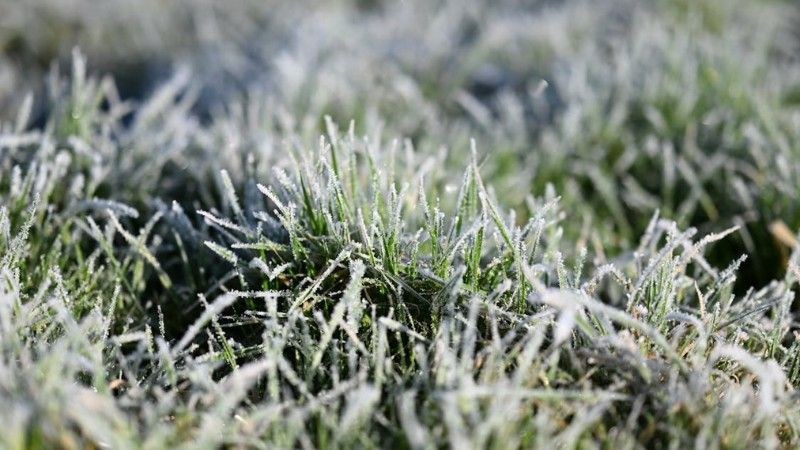
This guide breaks down what snow actually does to turf, when it becomes a problem, and which winter habits quietly make things worse.
Does Snow Actually Damage Lawns?
Yes. And much of it depends on:
- The snow type
- How long it has been sitting on your lawn
- Whether it’s naturally fallen or artificially piled
- Soil and turf conditions underneath
Not All Snow Is the Same (And That Matters)
Believe it or not, there are types of snow, and it makes a (small) difference:
- Light, fluffy snow acts as an insulator. It traps air, protects grass crowns from extreme cold, and generally causes little harm.
- Wet, heavy snow compresses turf and soil, reducing oxygen flow. If it sits too long, it can smother grass and weaken crowns.
- Crusty or icy snow is more dangerous. It often leads to ice sheets that block gas exchange and increase the risk of winterkill.
- Snow combined with freeze–thaw cycles creates the highest snow mould risk and contributes to crown hydration injury.
- Snow piles (from shovelling or ploughing) are the biggest problem of all. They stay longer, compact harder, and often concentrate salt.
And honestly, with 3+ months of snow, your lawn’s seeing all of the above.
Snow pile damage is the real lawn killer
Artificially piled snow behaves very differently from natural snowfall. Driveway windrows and sidewalk piles:
- Compress turf and soil
- Trap moisture for extended periods
- Block sunlight well into spring
- Concentrate road salt and de-icing residue
Lawns begin to struggle when packed snow exceeds roughly 30–45 cm for extended periods, especially near driveways and sidewalks. This is why the first areas to green up poorly in spring are usually along snow dump zones.
When Snow Turns Harmful (Ice, Compaction, and Smothering)
Where there is snow, there is likely to be ice. While snow doesn't always cause problems, ice is far more likely to damage your yard.
Ice damage and freeze–thaw stress
Ice can be heavy, weighing down grass and tearing it and other plant matter. Additionally, ice coverage can equate to plant death when those plants are exposed to carbon dioxide build-up. If your area experiences some temperature fluctuations, the resulting thaw and refreeze can cause the turf cells to burst, killing plants.
Even without total plant death, the longer your plants and turf are exposed to ice, the more likely they will experience severe damage that is difficult to reverse.
Snow interacts with soil and thatch
Snow doesn’t cause damage in isolation. Its impact depends heavily on what’s already happening beneath the surface.
- Snow on compacted soil increases ice sheet formation
- Snow on thick thatch creates ideal snow mould conditions
- Snow melting on clay-heavy soil leads to poor drainage and winterkill
- Uneven soil surfaces allow meltwater to pool and refreeze in micro-areas
Foot traffic on snow-covered lawns (why it matters more than you think)
Walking on snow-covered lawns compresses snow into ice, which compresses grass crowns underneath.
Repeated foot traffic creates compacted ice paths that delay thawing and slow spring recovery. Kids sledding on the same strip of lawn often cause sheet ice that lingers well into spring.
Whenever possible, keep foot traffic routed to cleared paths instead of crossing turf.
Rock salt damage
Sometimes, snow itself isn’t always the problem; it’s what comes with it. The rock salt used on sidewalks, driveways, and nearby roads can be tough on your lawn. As snow melts, salt seeps into the soil and pulls moisture out of the grass, stressing the roots and often leaving behind brown or dead patches come spring.
When salt is necessary (and let’s be honest, sometimes it is), try spreading it down the centre of walkways and driveways rather than along the edges where it can easily wash onto your lawn.
Snow Mould (the most common winter lawn disease)
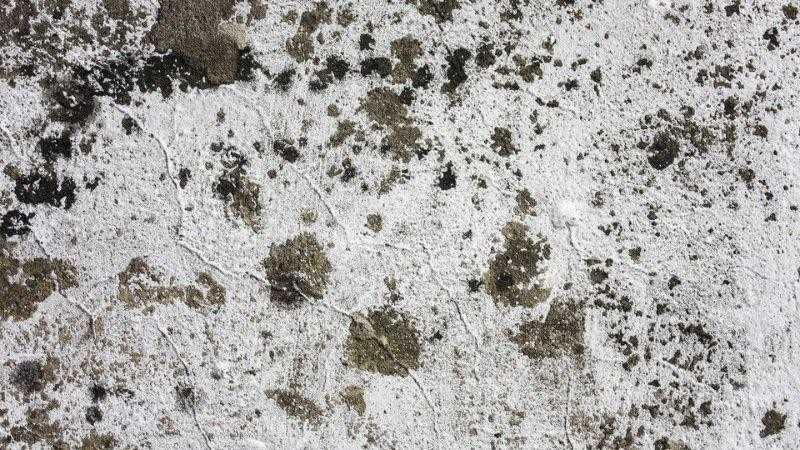
Snow mould is the most widespread winter-related lawn issue in Western Canada. It develops beneath prolonged snow cover and becomes visible only after the snow melts, often catching homeowners off guard in early spring.
There are two distinct types of snow mould, each with different behaviour patterns.
- Grey snow mould: Forms under deep, long-lasting snow cover. It typically appears as circular, matted patches of bleached or grey grass once the snow recedes. While it can look alarming, grey snow mould usually stops spreading after snowmelt, and turf often recovers with proper spring care.
- Pink snow mould: Pink snow mould is more aggressive and less forgiving. It can develop with or without deep snow and often continues spreading after snowmelt during cool, damp spring conditions. In severe cases, it can kill grass crowns, leading to thinning turf and bare patches that require overseeding or renovation.
Conditions that increase snow mould risk
Both types of snow mould thrive when moisture is trapped against the turf for extended periods, especially on lawns with:
- Thick thatch layers
- Heavy or repeatedly piled snow
- Unraked leaves or organic debris left in the fall
- Poor air circulation or drainage
Snow mould is easier to prevent than to treat. So reduce excess thatch, avoid snow compaction, and minimize moisture build-up under snow cover.
There Are Also Benefits to Snow on Your Lawn…
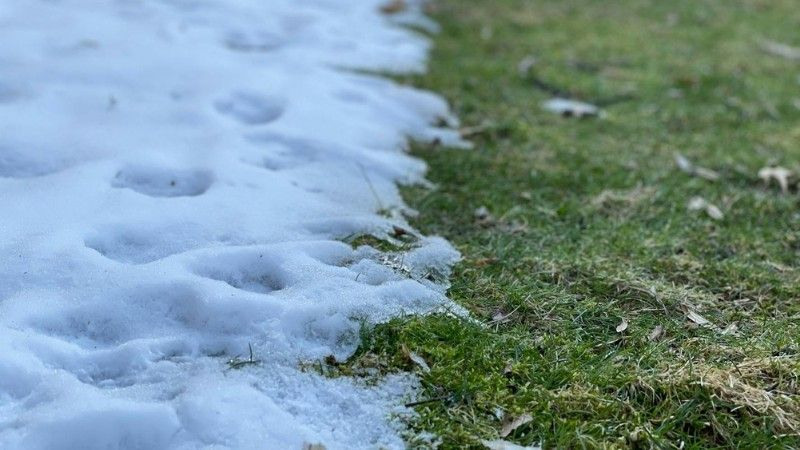
Did you know that snow isn’t always the enemy?
In fact, under the right conditions, it can protect your lawn.
- It insulates your yard: A consistent layer of snow acts like a natural blanket, insulating your lawn during those extreme cold winter stretches. By trapping air and reducing soil temperature swings, snow helps protect the grass crown (the most vulnerable part of the plant) from cold and freeze-thaw damage. When snow cover is steady, turf has a much better chance of surviving winter in good shape compared to lawns left exposed to bare, frozen ground.
That said, as we mentioned earlier, prolonged snow cover can also create conditions for snow mould and winter pests, which is why early-spring inspections and recovery care matter.
- More nitrogen in the soil: When snow falls, it naturally picks up some nitrogen in the air. Then, it covers the ground and, as it melts, puts that nitrogen back into the soil. From there, your insulated grass can absorb this essential nutrient. Because this micronutrient is critical to your lawn's health, this is a great, natural way for your property to help itself get ready for spring.
- Convenient watering: Regular snowfall is also a way for your lawn to get water without you needing to interfere throughout the winter. This avoids the potential of a frozen yard if you have to water the yard yourself.
How to Protect Your Lawn During Winter
Winter lawn care is less about active maintenance and more about avoiding behaviours that inadvertently cause damage under snow and ice. Small choices during winter can significantly affect compaction, moisture build-up, and spring recovery.
- Be intentional about snow placement. Avoid piling shovelled or ploughed snow onto turf. Deep, compacted piles linger longer, smother grass, and concentrate salt near driveways and sidewalks.
- Keep drainage paths clear during thaws. Blocked meltwater refreezes into ice sheets that suffocate turf and increase crown damage.
- Stay off frozen or snow-covered lawns. When the snow starts to melt, foot traffic compresses snow into ice, increasing smothering and delaying spring green-up.
- Never park vehicles or store equipment on frozen turf. Even dormant grass can suffer crown and soil structure damage under heavy weight.
- Limit salt exposure near lawn edges. Rock salt accumulates in snow piles and runoff areas, leading to burn and poor regrowth in spring.
- Finish fall mowing properly and remove debris. Gradually lower mowing height before growth stops and clear leaves and clippings to reduce matting and snow mould risk.
- Avoid excess moisture heading into winter. Stop watering when temperatures consistently drop below 0°C, and address low spots where water can pool and refreeze.
- Use mulch strategically, not excessively. A light mulch layer can help insulate soil, but thick coverage traps moisture and increases disease risk. It’s all about balance!
Professionals Can Help You Be Proactive
With season-long planning and targeted fall services, professional lawn care helps create a stronger foundation before (in fall) and after snow (spring). Working with lawn care experts allows you to:
- Aerate compacted soil in the fall to improve drainage and reduce ice sheet formation under snow
- Overseed thin or worn areas so turf enters winter denser and better able to resist snow mould and smothering
- Apply properly timed fertilizer treatments that support root strength and carbohydrate storage for winter survival
- Identify drainage issues, high-risk snow pile zones, and compacted areas before they become spring problem spots
- Reduce excess thatch that traps moisture and creates ideal conditions for snow mould development
- Receive guidance on mowing height, debris removal, and late-season habits that directly influence winter outcomes
- Avoid common winter damage caused by improper fall preparation or well-intended but harmful DIY practices
In the end, how your lawn deals with the snow will come down to how strong your turf is…and remember, it’s reversible with the right lawn care measures.
Prepare Your Lawn for Winter with Green Drop
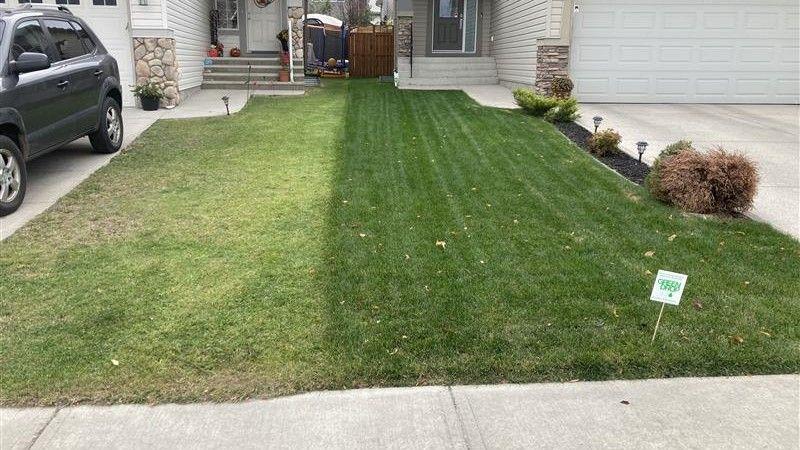
Winter lawns don’t need attention, but they do need protection. Most spring lawn problems are the result of winter conditions combined with avoidable habits like snow piling, compaction, poor drainage, and late-season neglect.
When you understand how snow behaves and prepare accordingly, spring recovery becomes faster, healthier, and far less frustrating. Whether you need lawn care services or snow removal services, we’re always here.
A strong lawn in April often comes down to what didn’t happen in January.