


How to Prevent Salt Damage on Your Lawn, Sidewalk, and Driveway
Reading time: 5 minutesSure, winter comes with some perks—cozy nights, sparkling snow, and the perfect excuse to drink hot chocolate for breakfast.
But it also comes with one very salty downside: road and sidewalk de-icers.
If you’ve ever wondered why the grass right next to your sidewalk always seems to struggle, why your lawn browns out every April, or why your driveway seems to crack earlier than it should… chances are salt is part of the story.
So why exactly does it cause damage? And how do we prevent salt damage?
How Rock Salt Harms Your Lawn & Hard Surfaces
Most de-icers contain sodium chloride, which keeps ice from bonding to pavement. Super effective but it’s tough on turf and concrete when overused.
What Salt Does to Your Lawn
- Dehydrates turfgrass: Rock salt (sodium chloride) draws moisture out of your grass roots. When salt-laced meltwater sits on turf, it pulls water out of plant cells, leaving brown, straw-like patches in spring.
- Alters soil chemistry: Melted snow carries salt into the soil. The sodium displaces essential nutrients like potassium and magnesium, making it harder for roots to absorb water. Salt-affected soil becomes dense and sometimes even water-repellent, leading to slow or uneven spring recovery.
What Salt Does to Hard Surfaces
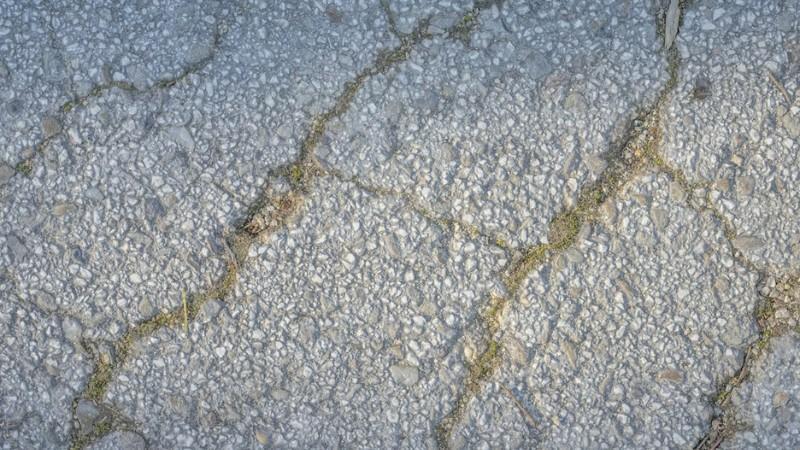
Chloride ions sink into tiny pores within concrete. Then repeated freeze–thaw cycles cause expansion and cracking. You may often blame “old concrete,” but the truth is that winter salt may be a major contributor. Metals like rebar or railing supports can also rust faster when exposed to salt.
So what’s the verdict here?
Do we stop using salt altogether? Not quite. Because you need it to make sure that snow doesn’t turn into slush or a slip hazard. And salt is effective.
How to Prevent Salt Damage
During Winter…
Here are the habits that make the biggest difference:
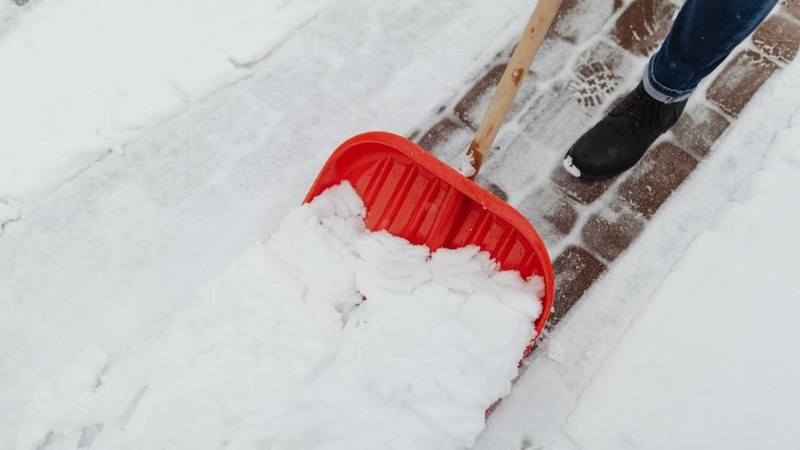
- Clear snow before it freezes: This is really important. Don’t let the snow freeze over and form into a slush that turns your driveway or walkway into a skating rink. Clear it before you walk or drive over to avoid packing snow into ice. Shovel down to bare pavement whenever possible so you’re preventing ice instead of treating it. Less ice means you’re going to need less salt.
- Use the proper amount: Most people pour salt like they’re feeding birds. The correct amount is a light, even sprinkle. Think a tablespoon per square meter. You should still see pavement between the granules. Salt piles = burned grass in spring.
- Avoid pre-salting before big storms: Pre-salting often just creates salty slush that freezes into a hard layer. This means you’ll require even more salt later. Shovel first, then spot-treat if needed.
- Seal your concrete regularly: Apply a salt-resistant sealer every 2–3 years. This blocks moisture (and salt) from sinking into tiny pores that cause cracking and surface flaking.
- Pick the right de-icer for the right situation: Rock salt works best above –9°C. In colder conditions, you may need to switch to products that still melt effectively.
In the Spring (To Repair Damage)...
If you notice straight brown stripes or patchy edges where sidewalks meet turf, salt stress is likely the reason. Here’s how to help grass bounce back:
- Flush the soil: Once temperatures rise, water heavily to help move salt deeper into the ground and away from roots.
- Add organic matter: Compost and topdressing help buffer salts, improve soil structure, and encourage microbial recovery. Even a thin layer in spring can dramatically improve salt-damaged areas.
- Apply gypsum: Pelletized gypsum (calcium sulfate) helps replace sodium ions in the soil — one of the most effective salt-damage treatments.
- Rake, reseed, and rebuild soil health: Remove dead material. Top up with clean soil if needed. Overseed sparse or damaged areas. Add compost to restore microbial activity. Aerate as it helps water penetrate deeper, pushing remaining sodium out of the root zone.
Remember: Less Salt, Smarter Salt
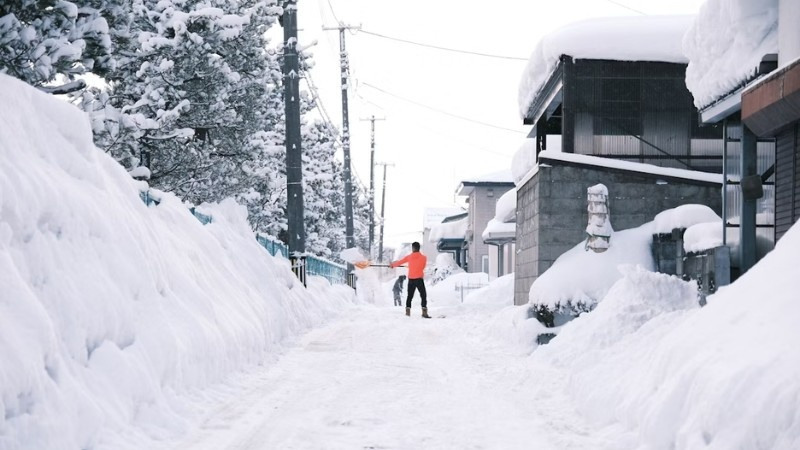
Salt keeps winter safe, but when too much ends up where it shouldn’t, lawns and concrete take the hit. But most salt damage is completely preventable. With early snow removal, controlled de-icing, and a few protective habits, you can avoid those brown strips of turf and cracked pavement in the spring.
Our team uses the right products in the right places, applied with precision, so you get the safety you need without sacrificing curb appeal. Book your snow removal early (we book out really fast!) to keep salt use smart and strategic. And when the thaw arrives, our GreenKeepers will be ready to help refresh any areas that need a little extra care.
Safe winter. Healthier spring. That’s the goal.