


To Rake or Not to Rake (After the Snow)?
Reading time: 2 minutesIt’s that time of year again.
We’ve witnessed our first snow.
The mornings are cold, the coffee tastes better, and your lawn is hiding under a frosty blanket—along with a confetti of fallen leaves.
Every fall, homeowners across Canada grab their rakes and leaf blowers in a race to clear it all away before winter hits.
But this year, winter didn’t wait.
So what happens if the leaves are still there? Do you still need to rake them up, or is it better to let nature take over?
The Case for Leaving the Leaves
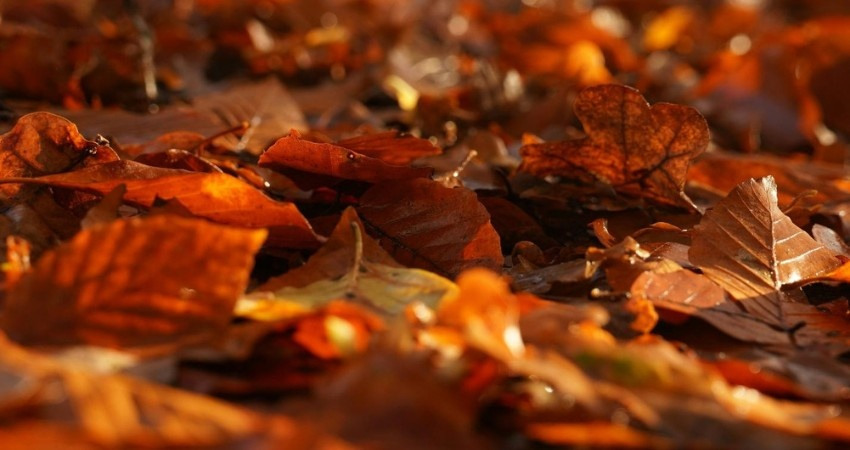
There’s a growing “Leave the Leaves” movement backed by ecologists, gardeners, and even the Xerces Society for Invertebrate Conservation. It says that fallen leaves aren’t just clutter; they’re habitat and nutrition.
Leaves break down into organic matter that enriches your lawn naturally, returning carbon, nitrogen, and other nutrients back into the ground. They also shelter overwintering insects, including butterflies, moths, and beetles, which in turn feed birds come spring
Nature’s been handling leaf drop for millions of years without our help. Forest floors are proof that this cycle works. Leaves fall, decompose, and feed the next season’s growth.
When Raking Still Matters (Even After Snowfall)
If your lawn’s already covered in snow, don’t panic; you haven’t doomed your grass. But once temperatures rise and the snow melts, you’ll want to take a look at what’s underneath.
Too many matted, soggy leaves can smother your turf and create the perfect conditions for mould, fungus, or even snow mould (a common winter lawn disease).
Here’s a simple post-snow guide:
- Light coverage (under 20%): Leave them. Wind and weather will break them down naturally.
- Moderate coverage (up to 50%): Run your mower over them a few times to mulch the leaves into fine pieces. This helps them decompose faster and prevents matting.
- Heavy coverage (more than 50%): Rake or bag some of the leaves, especially if they’re from slower-decaying species like oak. Thick mats can suffocate turf and harbour pests like mice or voles.
The Mulch Compromise
If you don’t want to rake endlessly, mulching is the perfect compromise. Remove sticks and debris, then mow over dry leaves once or twice until they’re shredded into tiny pieces. Over the next few weeks, those bits will filter into the soil, feeding beneficial microbes and strengthening your grass roots for spring.
Final Thoughts
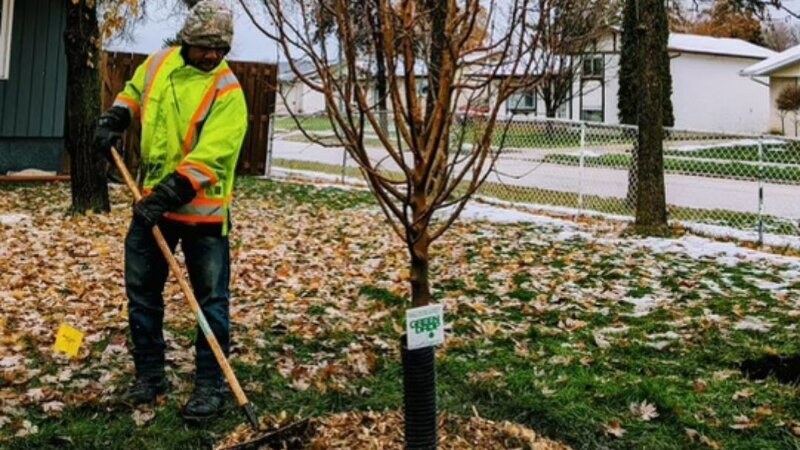
Raking is and will never be wrong, but… it’s also not always necessary. A bit of balance goes a long way. Leaving some leaves gives your lawn natural nutrients and helps the local ecosystem thrive. Clearing only what’s necessary prevents suffocation and pest build-up.
If you’d rather skip the debate altogether, Green Drop can take care of your lawn come spring.
We book up quickly as spring approaches. Add your lawn care appointment to your March calendar now to secure your spot before the rush.