


Common Lawn Care Mistakes Winnipeg Homeowners Make
Reading time: 5 minutesCommon Lawn Care Mistakes Winnipeg Homeowners Make
Good intentions don't always make a good lawn…especially in Winnipeg.
The mistakes we see most often aren't from neglect. They're from doing the right things at the wrong time, or following advice that was never built for this climate in the first place.
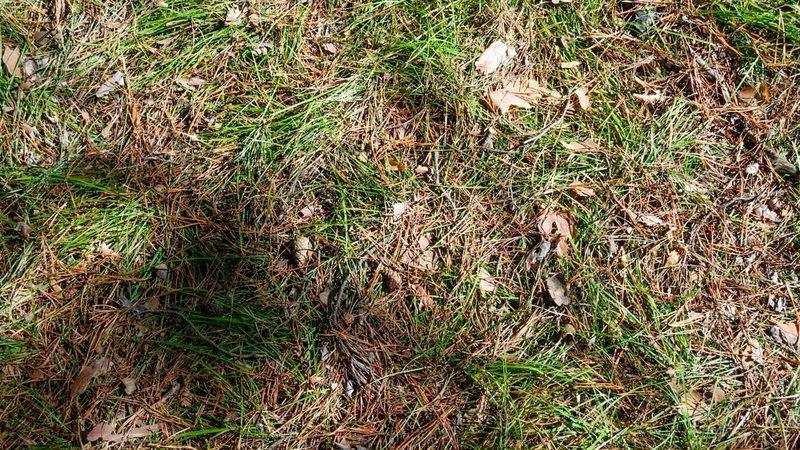
Our guide on common lawn problems in Winnipeg is a useful starting point for understanding what you could be dealing with before deciding how to treat it.
Here are some lawn care mistakes we see most often, and what to do instead.
1. Spring: Starting Before the Lawn Is Ready
The first warm weekend in Winnipeg has a pull to it. After months of winter, the instinct to get outside and get going is understandable. But in most years, that first warm weekend arrives two to three weeks before the lawn is actually ready.
Dethatching and aerating on saturated, thawing soil doesn't relieve compaction. Heavy foot traffic and equipment on waterlogged ground compresses soil structure and damages root systems that are just beginning to wake up.
It's one of the most consistent mistakes we see from customers who come to us mid-season wondering why their lawn looks worse after spring cleanup than before it.
Pro tip: Wait until the lawn has dried out enough that walking across it doesn't leave visible footprints and soil temperatures are consistently above 10°C. In Winnipeg, that's usually mid-to-late May, not the first weekend the snow is gone.
2. Spring: Skipping the Post-Winter Assessment
Once the timing is right, the next mistake is jumping straight to action without understanding what the winter actually did to the lawn.
Winnipeg winters are hard on turf. Snow mould, winter kill, frost heaving, and bare patches from salt or ice damage all show up differently and respond to different treatments.
Fertilizing over snow mould won't fix it. Overseeding into unassessed soil won't take properly. And mowing over winter kill without addressing the underlying cause means the same patches come back next spring.
Before you do anything, walk the lawn and take stock. Diagnosis comes first, treatment second.
3. Summer: Watering Too Often, Not Deeply Enough

This is the single most common mistake we see on Winnipeg lawns, and it tends to show up worst during drought years when the consequences become impossible to ignore.
It makes sense why you’d want to water more if you want to keep your lawn green. The problem is that frequent shallow watering trains roots to stay near the soil surface, and surface soil in a Winnipeg summer dries out fast. When a dry stretch hits, those roots have no buffer.
Deep, infrequent watering does the opposite. Longer cycles push moisture 15 to 20 centimetres into the soil and encourage roots to follow. Deep-rooted grass pulls through dry stretches that would devastate a shallowly watered lawn.
In practice:
- Water two to three times per week, not daily.
- Run longer cycles each time rather than short, frequent ones.
- Always water in the early morning. Evening watering in Winnipeg's humid summers creates the overnight conditions fungal disease needs to take hold.
4.Summer: Cutting the Lawn Too Short
What actually happens here is that scalped turf can't shade its own roots, and thus loses moisture faster, and becomes far more vulnerable to heat, drought, and disease.
For cool-season grasses common to Winnipeg lawns, adopt these mowing practices:
- Keep cutting height between 7 and 9 centimetres through summer.
- Never remove more than one-third of the blade in a single cut. If the lawn has gotten long, take it down over two mows.
- Keep mower blades sharp. A dull blade tears grass rather than cutting it cleanly, leaving ragged tips that are entry points for disease in a climate as variable as Winnipeg's.
5. Fall: Stopping Lawn Care Too Soon
The script completely flips on fall, and this is where Winnipeg homeowners often underinvest.
When the lawn stops visibly growing, the assumption is that the season is over. It isn't. Grass roots remain active and continue absorbing nutrients well into October.
A fall fertilizer application during this window fuels root development over winter, improves cold hardiness, and produces a noticeably faster green-up the following spring. Skipping it means starting the next season one step behind.
Fall is also the right window for aeration and overseeding. Soil temperatures are still warm enough for germination, and new turf has the cooler weeks ahead to establish before the ground freezes.
Homeowners who push this to spring regularly find the window shorter and more compressed than they expected.
6. Fall: Leaving Leaves Down and Cutting Too Short at Season's End
Two mistakes that tend to happen in the same October week, and both carry consequences that show up next spring:
- Leaving a heavy leaf layer on the lawn over winter. This creates ideal conditions for snow mould. A matted layer traps moisture against the turf surface through freeze-thaw cycles, and the fungal damage it produces can take weeks of the growing season to recover from. Clear leaves before the first snowfall.
- The last mow of the year matters. Cutting too short before freeze-up leaves roots exposed and vulnerable to winter desiccation. The right final cut is slightly lower than your summer height, around 5 to 6 centimetres. This is short enough to discourage snow mould, not so short it leaves the lawn defenceless going into winter.
The Pattern Behind All of It
Winnipeg's seasonal swings are extreme. Lawn care habits built for gentler climates don't translate.
If you want to avoid recurring problems year after year, you have to do the right things at the right time, matched to what Winnipeg's climate actually demands.
But don’t worry, every mistake is fixable, and most are easier to prevent next season than to fix mid-season.
Green Drop's lawn care programs in Winnipeg are built around this seasonal rhythm. The right treatments, at the right time, so your lawn isn't working against the climate all season long.
Book your lawn care package and go into next season with a plan that fits the city you're in.