


Why Bare Patches Turn into Weed Patches (And How to Stop It)
Reading time: 5 - minutesIt usually starts with just that one spot.
Maybe it’s the patch by the sidewalk that didn’t bounce back after winter.
Maybe last summer left behind a dry, straw-coloured circle that never fully recovered.
Or maybe your furry pal decided to take over a corner.
At first, it doesn’t seem like a big deal. Then a couple of weeks later, that same spot is suddenly full of dandelions, crabgrass, or clover. It’s almost like the weeds saw an opening and wasted no time moving in.
That’s the thing about bare soil; it rarely stays bare for long. If healthy grass isn’t filling that space, weeds will.
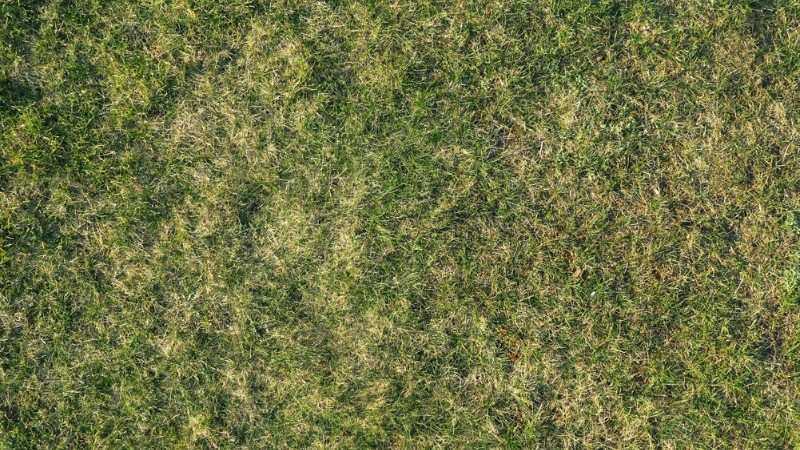
How Bare Patches Happen in the First Place
Bare patches rarely appear out of nowhere. There’s almost always a reason the grass thinned out or disappeared in the first place.
Some of the most common causes include:
- Winter damage. Prolonged snow cover, ice, or snow piles can smother grass and weaken it before spring.
- Heavy foot traffic. Repeated use in the same areas compacts the soil and wears down turf over time.
- Pet spots. Concentrated urine can burn grass and create circular dead patches.
- Mowing too short. Scalping weakens the lawn and exposes the soil to heat and moisture loss.
- Drought stress. Areas with shallow roots often dry out faster and struggle to recover.
- Insect activity. Pests like sod webworms, cinch bugs, or grubs can damage grass blades and roots.
- Compacted soil. Hard, dense soil makes it difficult for roots to grow and absorb water
Sometimes, it’s obvious. A snow pile sat in the same spot all winter, and now the grass underneath looks flattened and weak.
Other times, it creeps up more gradually. One area dries out faster than the rest of the lawn, gets thinner over the summer, and by fall, it’s noticeably patchy.
Why Weeds Move In So Fast
Weeds don’t actually “move in”. This is the part that catches a lot of homeowners off guard.
In most cases, the seeds are already there.
Some are already sitting in the soil. Others get carried in by wind, birds, pets, or even on the soles of your shoes.
Once a patch of grass opens up, those seeds suddenly have exactly what they want:
- direct sunlight
- exposed soil
- no competition for water or nutrients
- room to establish roots quickly
And unlike grass, weeds are opportunists. They don’t wait for perfect conditions. In fact, many common lawn weeds are better at colonizing weak areas than turfgrass is. That’s why you’ll often see them up in thin or bare areas first.
Healthy grass acts like a natural barrier. It shades the soil, competes for resources, and leaves very little room for invaders. Once that density is gone, weeds move in fast.
The Hidden Cost of Waiting
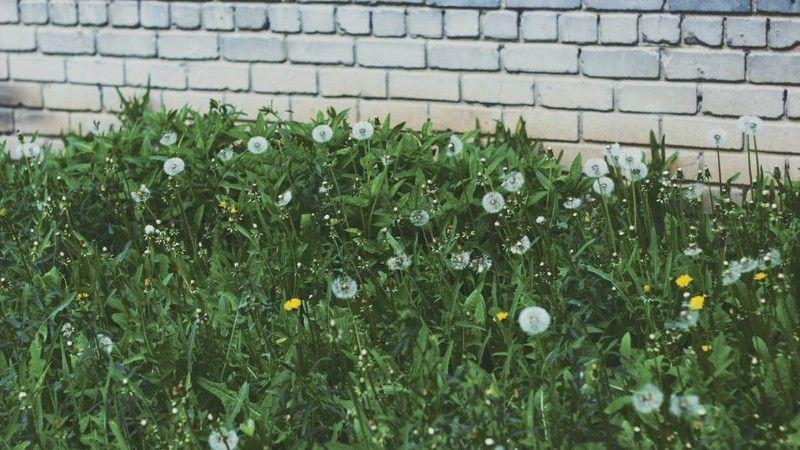
We don’t blame you for assuming a bare patch is something you can get to later. Technically, you can. The problem is that waiting usually makes it harder. That small patch doesn’t just stay the same size.
- Once weeds establish, they begin competing with the surrounding grass for moisture, sunlight, and nutrients. Some weeds also spread outward, slowly widening the weak zone.
- Then they start dropping seeds. Now, instead of one problem area, you’ve created the conditions for multiple new ones. What started as a patch of stressed grass becomes a recurring weed hotspot.
That’s why these spots often seem to come back year after year. The underlying weakness was never addressed, and the weeds have already made themselves at home.
A small repair in spring is much easier than trying to reverse an infestation later in the season.
Why Weed Spray Alone Doesn’t Solve the Problem
You see weeds, so you spray them. The weeds die… and then they come back.
Killing the visible weeds doesn’t fix the reason they showed up in the first place. If the patch remains bare, the soil is still exposed. That means new weed seeds can move right back in. Unless healthy grass fills that space, something else will.
Weed control is important, absolutely. But it needs to be paired with repair. Otherwise, you’re stuck in a loop of spraying, waiting, and repeating.
How to Stop Bare Spots Before Weeds Take Over
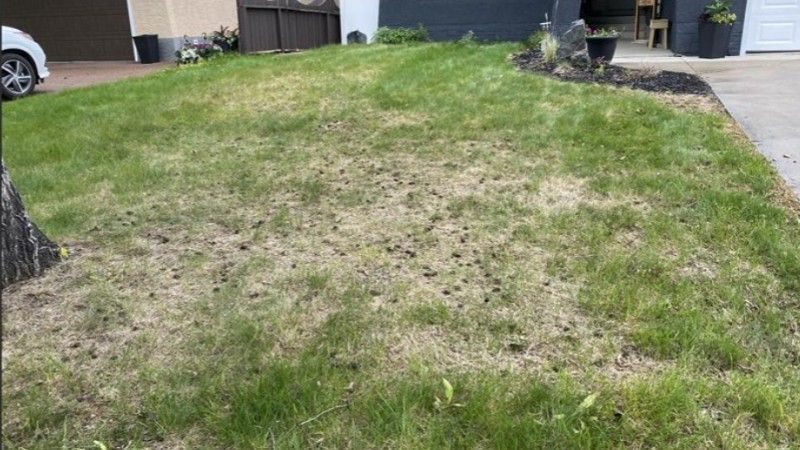
This is where prevention becomes much easier than a cure. The real goal isn’t just removing weeds. It’s restoring turf density so weeds don’t have space to return.
Here's how to do that:
- Start with Aeration. If water tends to pool, run off, or sit on the surface, compaction is likely part of the problem. Aeration opens up the soil so roots can grow deeper and moisture can actually reach the root zone.
- Next, overseeding. Fresh seed helps fill in exposed soil before weeds can claim it. Spring is ideal because the soil naturally holds moisture, and temperatures support strong germination. The sooner new grass starts establishing, the less opportunity weeds have to take hold.
- Then comes fertilization. New seedlings and the surrounding turf both need nutrients to establish quickly and thicken up. Proper feeding helps the repaired area blend in faster instead of staying visibly thin.
- In some cases, improving the soil itself is the real fix. If the root zone is struggling because of poor structure, nutrient lock-up, or repeated stress, SoilBooster™ treatments help create better growing conditions from the ground up.
- Don’t skip consistent watering during recovery. New seed needs steady moisture to establish. Light, regular watering in the early stages helps prevent the area from drying out before roots take hold.
The best results come from combining overseeding, aeration, fertilization, soil support, and proper aftercare rather than treating any one step as a standalone fix.
Why Spring Is the Best Time to Repair Bare Spots
Timing matters more than most people realize and Spring gives you a natural advantage. The soil is already holding moisture from snow melt and seasonal rain, and temperatures are cool enough to support steady grass growth without the added stress of summer heat.
That means the new seed has a much better chance of establishing quickly. More importantly, it gives your lawn a head start before summer weeds begin ramping up.
If you wait until weeds are already established, you’re no longer repairing a patch but trying to outcompete weeds. Spring lets you get ahead of that.
Don’t Let One Bare Spot Become a Bigger Problem
A bare patch may not look urgent today. But lawns have a funny way of making small issues bigger if they’re ignored.
One thin area becomes a weed patch. That weed patch becomes a recurring problem zone. And before long, you’re wondering why that same corner never looks as good as the rest of the lawn.
At Green Drop, our spring repair packages are designed to rebuild density, improve soil conditions, and help your lawn fill in before weeds take over.
If you’ve got bare patches starting to show, now’s the time to act. Book your lawn care package before weeds move in and start exacting their toll. We are proud to serve across Western Canadian cities of Calgary, Red Deer, Edmonton, Saskatoon, Winnipeg, and Regina.