


The Biggest Fall Lawn Mistake Regina Homeowners Make (and How to Avoid It)
Reading time: 4 minutesEvery spring, Green Drop’s GreenKeepers see the same thing: lawns that were well cared for all summer coming back thin, slow, and patchy (and homeowners who can't, for the life of them, figure out WHY).
The answer is almost always the same. Not what happened in summer. What happened (or didn't happen) in fall.
One big mistake is fall fertilizing.
And it isn't skipping fall fertilizer. It's applying it at the wrong time.
Too early and the grass depletes its reserves before winter.
Too late and you push tender new growth straight into a Saskatchewan freeze. Regina's climate gives you a narrow window to get this right, and it moves every year.
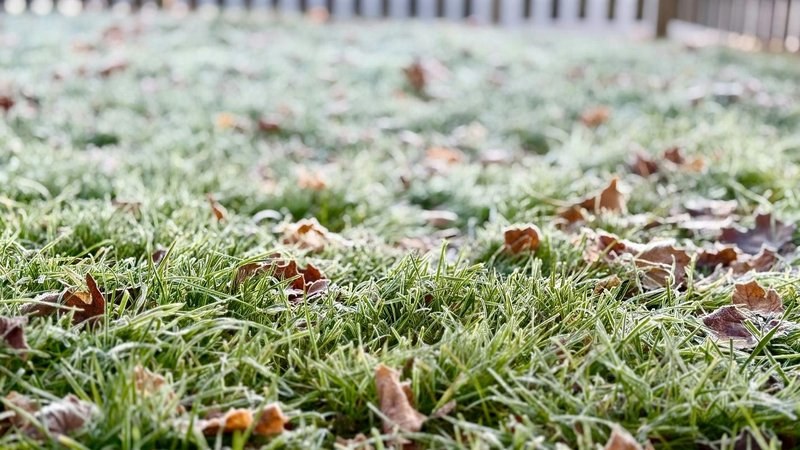
Why Regina's Climate Makes the Timing So Unforgiving
Regina sits in one of Canada's most extreme continental climates. Summers arrive hot and fast. Three things make the timing here unforgiving:
- The first snowfall lands early. The average first snowfall is typically mid-to-late October.
- There's no cooling buffer. October temperatures swing hard, so your lawn gets no slow handover from summer into winter.
- Clay freezes faster than sand. Regina's clay-heavy soil locks up sooner than sandier soils, and fertilizer applied to cold ground never reaches the root zone. It sits there, washes off with snowmelt, and delivers nothing.
The First Error: Fertilizing Too Early
It makes sense. You don't want to miss the window, so you get out there in late August or the first week of September. But the lawn may still be in full summer mode, and the temperatures haven't dropped.
Here’s the problem: a nitrogen-heavy product at this point pushes the grass to grow more blades right when it should be sending energy down into the roots and crown to get ready for winter. Instead of banking carbohydrate reserves, the grass uses them on growth it doesn't need. By the time temperatures drop and the lawn needs those stored reserves to survive the Regina winter, they've been partially consumed. The grass goes into dormancy facing a nutritional shortfall.
In spring, the grass comes in thinner and may remain vulnerable to summer stress.
The Second Error: Fertilizing Too Late
This is the more damaging of the two, and the one you can't miss in spring.
Fertilize in late October or November, after soil temperatures have dropped or the first hard frost has hit, and you push tender new growth straight into a freeze. That new growth has no time to harden off.
Come spring, the damage shows up as brown patches that are frequently misdiagnosed as frost damage, disease, or poor overseeding.
Then there’s absorption. Once the soil is cold enough that the roots stop taking anything up, surface fertilizer has nowhere to go. The winterizer application meant to strengthen the lawn for winter sits there, gets washed off by melting snow, and does nothing. Here are the two mistakes side by side:
Too Early (Late Aug–Early Sept) | Too Late (Late Oct–Nov) | |
What's happening | Nitrogen pushes new top growth the grass doesn't need | Tender new growth gets triggered right before a freeze |
Why it hurts | Reserves get spent on blades instead of roots | New growth can't harden off before winter-kill |
What you'll see in spring | Slower green-up, thinner turf | Dead patches (often blamed on frost, disease, or overseeding) |
The Right Window, and Why It Works
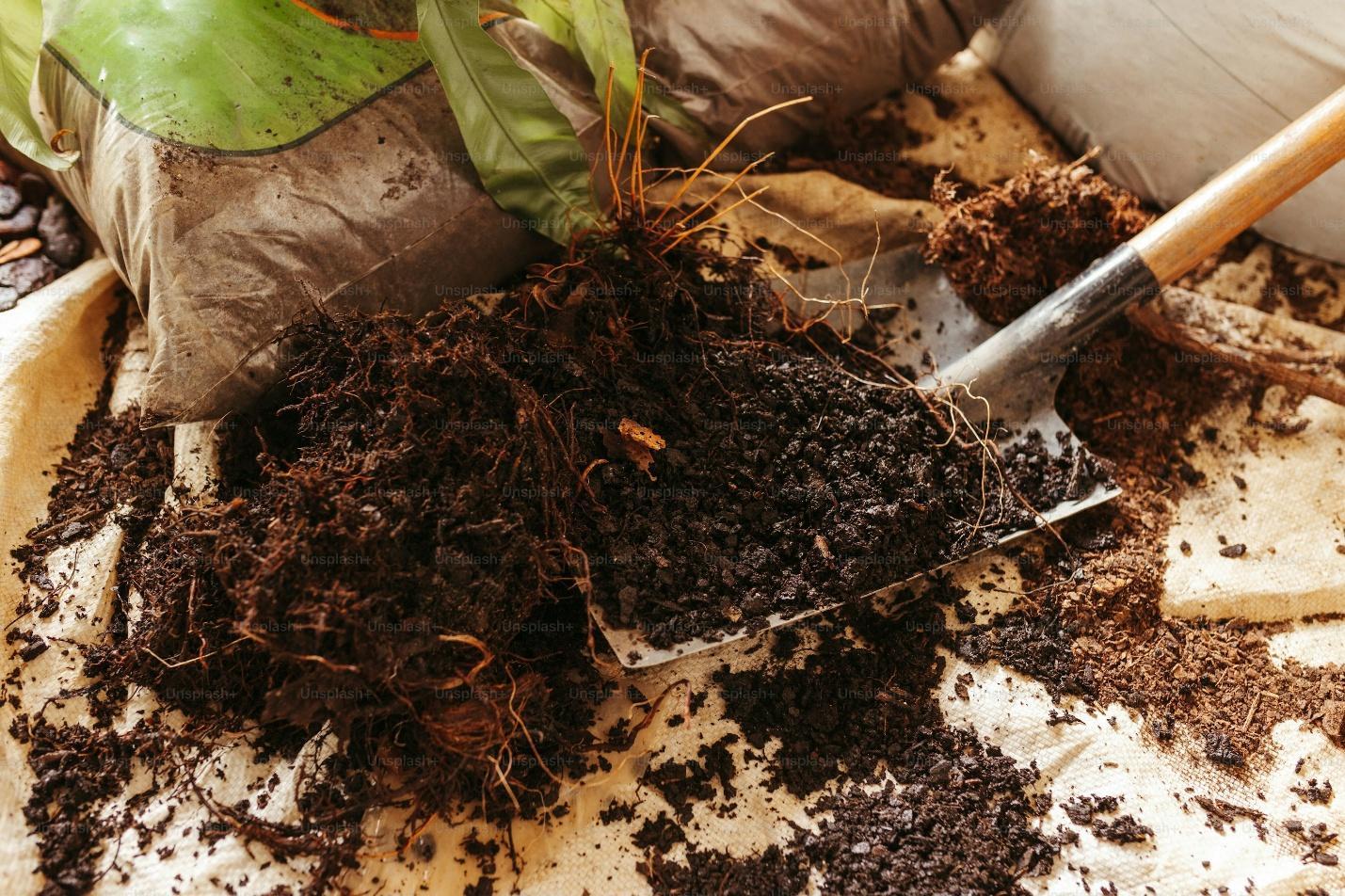
So when's the actual window? Fall fertilizer application in Regina works best between mid-September and mid-October, with the sweet spot being roughly one to two weeks before the first expected hard frost.
● Window: Mid-September to mid-October
● Sweet spot: One to two weeks before the first snow
At this point, the grass has already begun redirecting energy downward. Roots are active, the crown is building reserves, and the lawn is physiologically primed to absorb and store nutrients.
Fertilizing into that transition fuels exactly the process the grass is already doing. The nutrients go where they're needed, helping the lawn get through five months of Regina winter.
The formula matters too. A lower-nitrogen, higher-potassium application is the right profile for this window. Potassium strengthens cell walls, regulates the lawn's internal water management through freeze-thaw cycling, and improves cold hardiness.
Heavy nitrogen at this stage risks triggering the same tender-growth problem as a late application. A surge of top growth that the coming temperatures will kill.
Want the full nutrient breakdown? Our fall lawn fertilization guide covers it in more detail.
The Benefits of Correctly Timed Fertilizer
- Get the timing right, and the payoff shows up the following May. A well-timed fall application in Regina gets you three things, the kind you only really notice when they're missing: Faster spring green-up. Stored root reserves fuel the first flush of growth as soon as temperatures rise, rather than the lawn spending the first weeks of May recovering from a depleted winter.
- Denser turf going into the growing season. Thicker coverage leaves less bare space for weeds to colonise early.
- Better resilience through freeze-thaw cycling. Roots that went into freeze-up with adequate potassium and carbohydrate reserves are better able to handle Regina's winter than roots that went in depleted. This means less winter damage, fewer bare patches, and a robust lawn ready for the season.
The Timing Is the Hardest Part
Knowing the window exists is one thing. Hitting it accurately while tracking soil temperatures, monitoring forecast changes, and making the call at the right moment is another.
That window can shift by two to three weeks year to year, depending on when the first hard frost arrives. You can't just circle a date on the calendar. You have to watch the forecast.
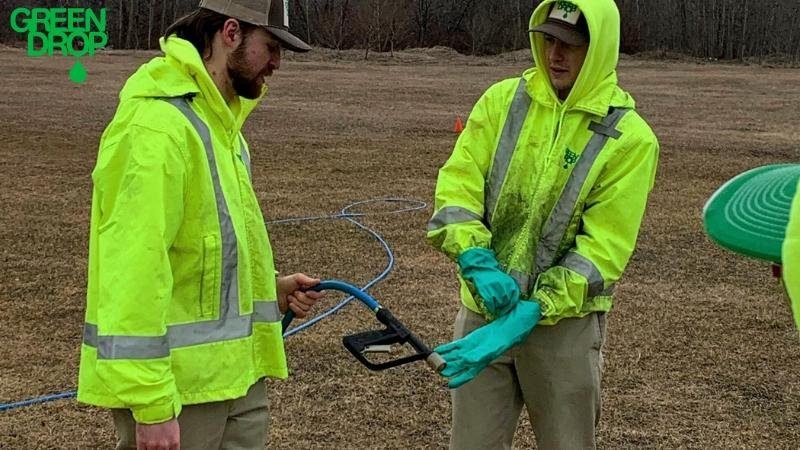
That's exactly what Green Drop tracks for you: Regina's actual freeze calendar, not a national average that has no idea how unpredictable Saskatchewan fall can get.
If your lawn has been producing disappointing springs despite solid summer care, timing is probably the missing piece. And our fertilization programs can help.
Book your fall lawn care in Regina before the window closes. Remember, in this city, it closes faster than you expect.