


Common Lawn Problems in Regina (And How to Fix Them)
Reading time: 6 - minutesIt’s not uncommon in Regina to find your lawn looking a little worse for wear when the snow finally melts.
The long, cold winters, heavy snow piles, and clay-heavy soil all take a toll on your yard.
Most of these issues are common, predictable, and fixable. The key is to know what you’re looking at.
We spoke with our GreenKeepers in Regina to break down the most common problems they see—and what you can actually do about them.
1. Snow Mould & Winter Kill
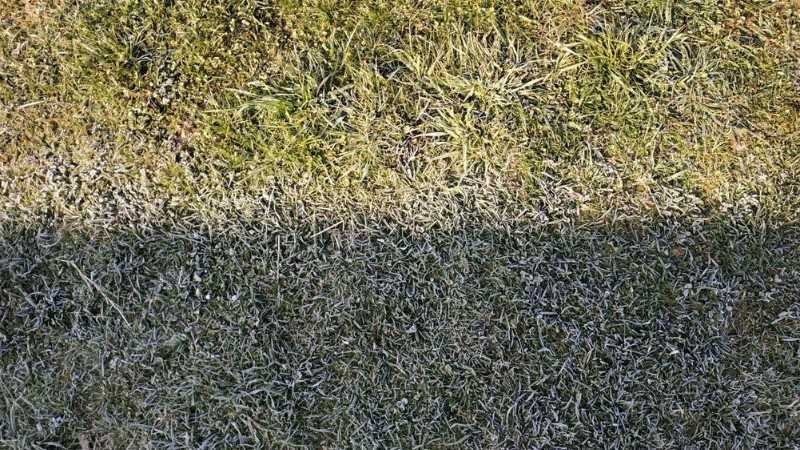
One of the first things you’ll see after snow melt is matted, discoloured grass.
It might look:
- Grey or white in patches
- Flattened and stuck together
- Slightly fuzzy or crusty in spots
That’s usually snow mould, a fungal issue caused by prolonged snow cover trapping moisture underneath. It looks worse than it is. In most cases, the grass is still alive underneath. It just needs air, light, and a bit of time to recover.
What you can do:
- Gently rake the area to loosen matted grass. Use a leaf rake and work lightly to lift the grass blades and break up the crust. This helps air and sunlight reach the base of the plant.
- Improve airflow and drying conditions. Snow mould lingers in damp, stagnant areas. Clearing debris and lightly opening up the surface helps moisture evaporate faster, especially in shaded or heavily compacted spots.
- Let the lawn dry out before doing anything aggressive. Avoid power raking, fertilizing, or heavy traffic until the soil firms up. Working on wet ground can compact the soil and slow recovery more than the mould itself.
- Overseed areas that don’t recover naturally. If patches stay thin after a couple of weeks of drying and warming, this might be a sign of winter kill. Overseeding helps fill them in before weeds move into the exposed space.
2. Ant and Vole Damage
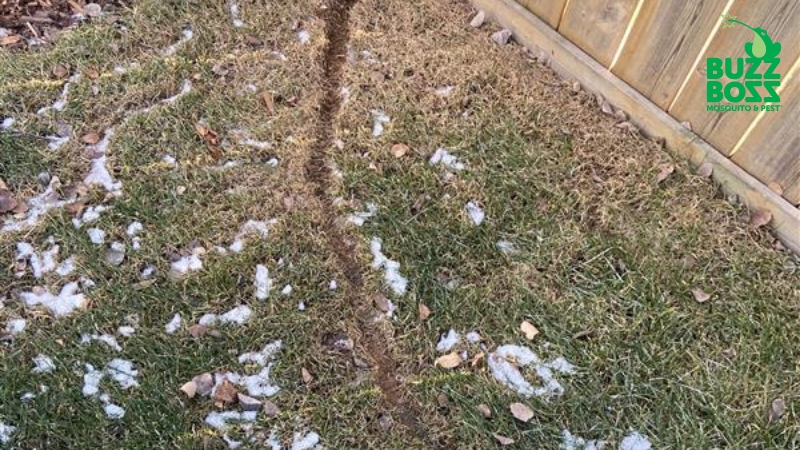
If your lawn looks like something ran a maze through it over winter, that’s likely vole activity.
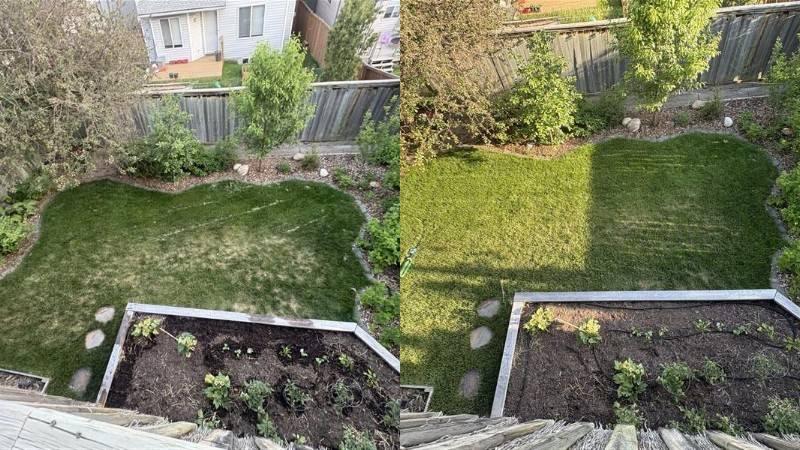
Voles are small field mice that stay active under the snow. They create surface tunnels while feeding on grass. If you notice criss-crossed runways, thin, dead-looking strips or flattened paths across the grass, voles are usually responsible.
This can look alarming at first, but thankfully, the roots are usually still intact. That means recovery is very possible.
Here’s what you can do:
- Lightly rake to remove dead material. Gently lift and clear out the flattened grass in the runways so new growth can push through more easily.
- Overseed thin areas. Focus on visible trails and weak spots to help the lawn fill back in evenly before weeds take advantage.
- Fertilize to encourage regrowth. A balanced spring fertilizer helps the existing roots recover and speeds up the lawn’s ability to repair itself.
- Avoid heavy traffic in damaged areas. The turf is already weakened, and extra pressure can slow recovery or widen the affected zones.
3. Ant Hills Are a Nuisance in Regina
If you live in or around areas like Pilot Butte or White City, you’ve probably dealt with ant hills. They’re common in sandy soil pockets around Regina, and they can be more than just a visual annoyance.
Ants move soil to the surface. The mounds disrupt turf structure, and the surrounding grass dries out faster. Over time, this creates uneven areas and weak spots in the lawn.
If you see small dirt mounds across the yard and thin or stressed grass around those areas, ants are most likely the problem.
Here’s what you can do:
- Break up mounds early. Flattening mounds prevents them from hardening and spreading, and helps restore a more even lawn surface.
- Target treatment if activity increases. If mounds keep returning, localized treatment helps reduce colony activity before it spreads further.
- Strengthen turf density so ants are less likely to settle. Thicker grass creates fewer open, dry areas where ants prefer to build.
Regarding the vole and ant damage, Brennen Hensel, Business Unit Leader, Green Drop Regina, says:
“Starting the year up in May and June we see a lot of vole and ant damage in the lawns. For voles, we see tracks on the surface of the lawn from when they were digging under the snow. For ants, we see lots of mini ant hills scattered around the grass. This is the result of an underground ant colony which “honeycombs” the soil drying it out and removing nutrients causing the grass to thin out. Ants are very bad in the sandier soil of Pilot Butte and White City.”
4. Clay Soil Compaction & Drainage Issues
Regina is known for its heavy clay soil, but just east in areas like Pilot Butte and White City, soil conditions shift to a much sandier composition. This difference plays a big role in the types of lawn issues homeowners experience.
Clay-heavy soil in Regina tends to:
- Compact easily
- Drain poorly
- Restrict root growth
- Hold moisture longer than needed
Meanwhile, sandy soils in surrounding areas:
- Drain quickly
- Dry out faster
- Are more prone to insect activity (like ants)
- Struggle to retain nutrients
This is why two lawns just a short drive apart can have completely different problems.
This leads to:
- Water pooling in spring
- Hard, dense soil underfoot
- Slow or uneven green-up
- Thin or patchy growth
When soil is compacted, roots struggle to expand. Oxygen and nutrients don’t move as freely, and everything slows down.
Here’s what you can do:
- Aerate to open up the soil. Core aeration relieves pressure in compacted areas, allowing air, water, and nutrients to move more freely.
- Improve soil structure through treatments like SoilBooster™. Supporting soil biology helps break down dense clay over time and improves overall growing conditions.
- Support root growth early in the season. Early fertilization encourages deeper, stronger roots that can better handle compacted conditions.
5. Red Thread or Dollar Spot
Brennen says:
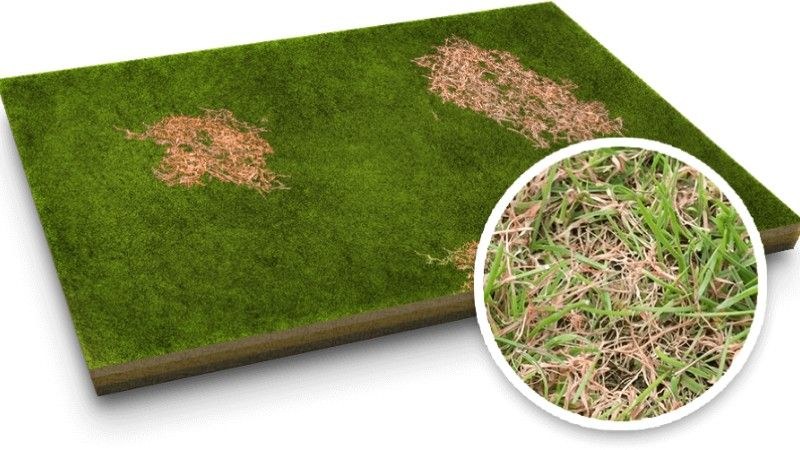
“We start to see diseases like Red Thread and Dollar Spot show up mostly in June as we see lots of wet weather and thunderstorms roll through, along with high humidity.”
Here’s how you can differentiate the two:
Red Thread | Dollar Spot |
Pink or reddish threads on grass blades (often visible in morning dew) | Small, round tan or straw-coloured spots, about the size of a coin |
Shows up in cool, damp spring conditions | More common as temperatures warm and humidity increases |
Strongly linked to low nitrogen and slow growth | Linked to low fertility + inconsistent moisture (wet/dry cycles) |
Grass looks thin or faded but usually still alive | Spots can merge over time, creating larger patchy areas |
Often improves quickly with proper fertilization, watering and improved airflow. | May persist longer without correcting watering and feeding practices |
Both diseases are stress-related, but don’t usually kill the lawn. They also respond well to the same core fix.
6. Brown Patches in Summer
Even if your lawn looks decent in spring, issues can show up later if the foundation isn’t strong. Regina summers tend to be hot and dry, causing soil stress.
Brown patches will often appear if roots are weak, the soil is compacted or moisture isn’t penetrating evenly.
You’ll see:
- Irregular dry spots
- Grass thinning in certain areas
- Uneven colour across the lawn
This is where spring preparation really pays off. Lawns that were properly aerated, fertilized, and supported early tend to handle summer much better.
7. Sod Webworms
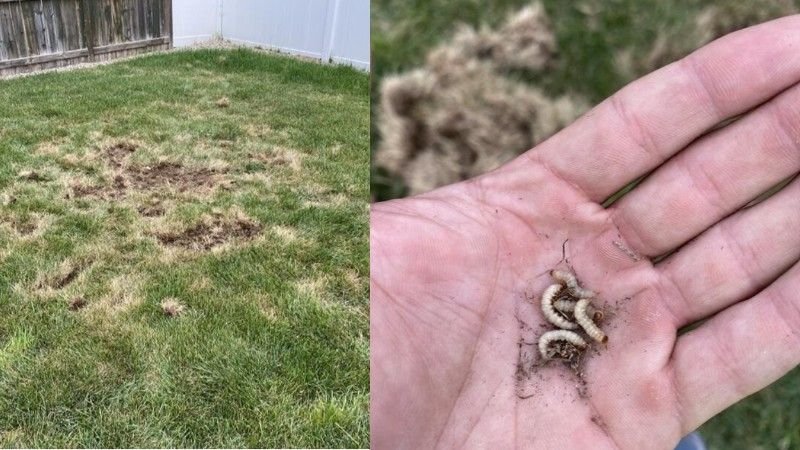
This one tends to catch people off guard. Sod webworms are larvae that feed on grass blades, usually later in the season.
“Moving into August and September, we start to see some sod webworm activity. We notice brown patches show up in the lawns that lift with no effort - the grass is no longer attached to the soil. Sod Webworms eat the roots, slicing them clean, resulting in the grass dying and lifting like a piece of sod,” says Brennen.
At first, it can look like drought stress. But there are a few signs to watch for:
- Patches that don’t recover with watering
- Increased bird activity (they’re feeding on the larvae)
- Rapid thinning in localized areas
The challenge is that by the time it’s obvious, damage is already happening.
Early identification and targeted treatment are key here.
8. Chinch Bugs (Hot, Dry Summer Damage)
As Regina moves into July and August, another issue starts to show up, especially during stretches of hot, dry weather.
Chinch bugs aren’t always as widespread here as in other cities, but they are present. And when conditions line up, they can do serious damage.
Brennen explains:
“As the rain drops off and temperatures climb, we start to see chinch bug activity increase. They thrive in hot, dry conditions. They feed by sucking moisture from the grass blades and injecting a toxin, which causes the grass to die off in blotchy yellow patches.”
At first glance, this damage can look like drought stress. But unlike dry grass, these areas won’t bounce back with watering.
You’ll typically see:
- Irregular yellow or straw-coloured patches
- Grass that continues to decline even with watering
- Damage concentrated in sunny, exposed areas
What you can do:
- Maintain proper watering practices. Deep, infrequent watering helps strengthen roots and makes turf more resilient to feeding damage.
- Avoid letting the lawn dry out completely. Extended drought stress creates ideal conditions for chinch bugs to thrive.
- Keep your lawn healthy and dense. Strong turf is less susceptible to large-scale infestations.
- Monitor early and act quickly. The sooner you identify chinch bug activity, the easier it is to control before patches spread.
Don’t Let Winter Win, Reset Your Lawn This Spring
Here’s the thing about Regina lawns: everything’s connected. Winter stress, soil conditions, and early-season timing all play a role in how your lawn performs.
The difference between a patchy lawn and a thick, healthy one usually comes down to the level of lawn care in early spring.
At Green Drop, we focus on putting all the pieces together. From aeration to overseeding, fertilizer to SoilBooster™ treatments, we help your lawns stay strong in the face of adversity.
It’s not about fixing one issue at a time. It’s about setting the lawn up properly from the start.
Book your lawn care package in Regina and start the season on the right foot.