


Snow Mould Season Is Coming (How to Treat It Before Weeds Take Over)
Reading time: 6 - minutesWhen the snow finally melts, most homeowners expect their lawn to bounce back quickly. Instead, what shows up is often flattened, grey, straw-like patches scattered across the yard.
It’s not just “winter damage.”
It’s snow mould.
And while it rarely kills your lawn outright, it can leave behind thin, stressed areas that weeds are more than happy to claim if you don’t act early.
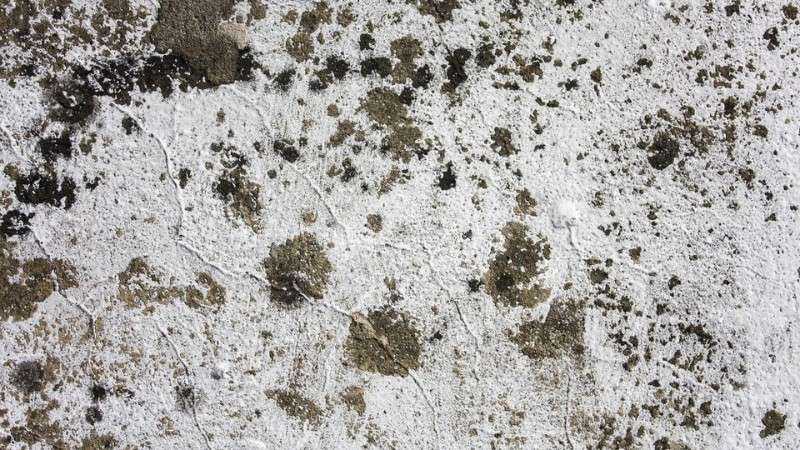
Snow mould isn’t actually as harmful to your lawn as you might think, but what comes after it most definitely is.
Snow Mould Is the Gateway Problem No One Talks About
Snow mould is a fungal issue that develops under long snow cover. It thrives in cold, damp conditions, especially when grass is matted down for weeks at a time.
There are two common types of snow mould.
Grey mould, which is more superficial and often stops spreading after snowmelt.
And pink snow mould, which can be more aggressive and sometimes continues spreading in cool, wet spring conditions.
So what does snow mould do?
It weakens turf, thins it, and sometimes kills small patches outright. It leaves grass matted and struggling to green up evenly.
And thin turf is exactly what weeds are waiting for. Snow mould opens the door, and weeds walk in.
- Sunlight hits bare soil. Healthy turf acts like a living blanket. When snow mould thins it out, sunlight reaches the soil surface directly. That light exposure is one of the main triggers for weed seed germination, especially early spring weeds that are just waiting for their moment.
- Soil warms faster in exposed areas. Bare patches heat up more quickly than dense turf. Warmer soil accelerates weed seed activation, giving them a head start before your lawn has fully woken up.
- Weed seeds germinate aggressively. Dandelions, chickweed, and other opportunistic weeds thrive in open space. Once they root into weakened soil, they compete hard for nutrients and moisture.
- Moisture lingers in damaged spots. Matted turf from snow mould holds moisture unevenly, creating micro-environments that favour both weeds and secondary fungal issues.
- Recovery becomes harder over time. The longer thin areas stay exposed, the more weeds establish. And once they mature, removing them becomes more disruptive to already stressed turf.
What Happens If You Do Nothing?
Here’s how Spring typically unfolds in Western Canada:
- Early April: Snow melts and you notice grey or pink matted patches. The grass looks thin, tangled, and weak. You assume it just needs time.
- Late April: Surrounding turf starts greening up, but damaged areas lag behind. The soil is cold, and recovery is slow.
- Early May: Soil temperatures rise. Turf that survived begins to grow, but so do weed seeds sitting in the soil.
- Mid-May: Thin areas allow sunlight to hit bare soil. That’s the exact condition weeds love. Dandelions, chickweed, and other opportunistic broadleaf weeds begin establishing.
- June: Humidity increases. Wet nights and warm days create ideal fungal conditions, which means brown patches. Weak turf struggles, while strong turf thrives.
By the time you react, you’re no longer dealing with snow mould. You’re dealing with thinning turf, weeds, and early disease pressure.
Why it’s So Common in Western Canada
Climate in our part of the world practically invites it. The long snow cover, freeze–thaw cycles, snow piles along driveways and sidewalks, slow spring melts, and heavy clay soils all play a part.
Moisture gets trapped. Grass stays compressed. Oxygen levels drop. By the time April rolls around, you’re looking at thin, stressed turf. And then June shows up.
Diseases like red thread and dollar spot start popping up, especially when wet weather and thunderstorms roll through along with rising humidity. Last year, our GreenKeepers even saw a case of brown patch in June.
We can have hot, dry days followed by damp nights. That’s prime fungal territory, especially in lawns that were already weakened by winter stress. That’s why early action matters. You don’t want to be heading into June on your back foot.
What Snow Mould Looks Like and How to Treat It
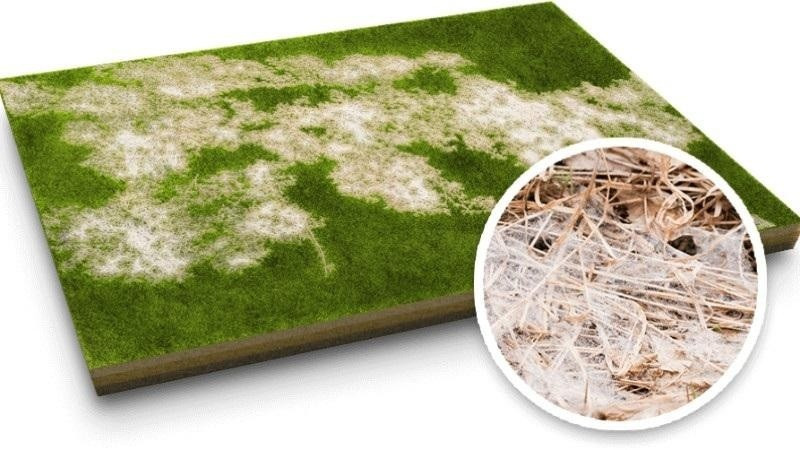
It often looks worse than it is. In many cases, the roots are still alive. The grass just needs help recovering.
You’ll usually notice circular grey or pinkish patches, grass that looks matted or glued down, areas that don’t green up evenly or spots near snow piles that stay thin.
Here’s how to deal with it:
1. Light Raking Works Like a Charm
Once the lawn is dry enough, gently rake affected areas to lift matted grass and improve airflow. Avoid ripping into the turf. Early spring grass is fragile.
This:
- Speeds up drying
- Allows sunlight to reach the soil
- Reduces fungal spread
2. Early Fertilization to Support Recovery
Healthy turf recovers faster than stressed turf.
- Encourages root activity
- Promotes even green-up
- Helps grass fill in thin areas
- Strengthens turf before weed pressure increases
3. Aeration to Relieve Compaction
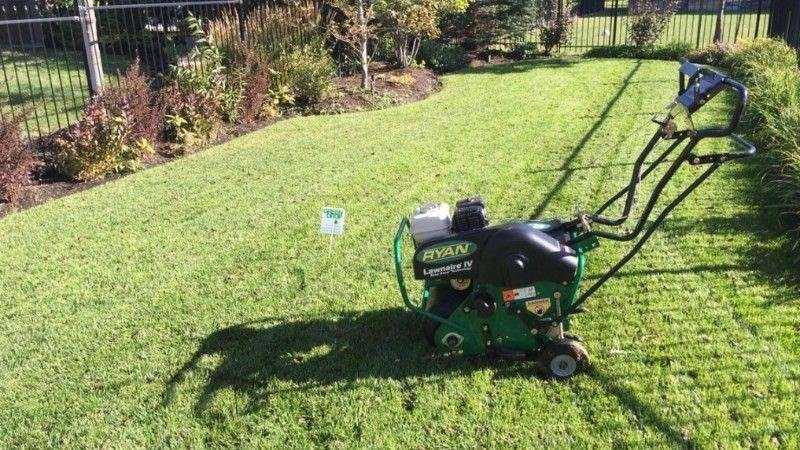
Winter compaction is real. If your lawn feels hard underfoot, aeration matters. Between snow weight, ice sheeting, and freeze–thaw cycles, soil can become dense and oxygen-starved.
Core aeration:
- Improves oxygen flow
- Enhances drainage
- Helps roots re-establish
- Reduces disease-friendly moisture retention
4. Overseeding to Restore Density
Snow mould thins turf. Overseeding rebuilds it.
This is where you stop weeds from taking advantage. Timing is key. Seeding early enough in the season gives grass time to establish before summer heat and humidity hit.
Overseeding:
- Fills bare spots
- Increases turf density
- Reduces exposed soil
- Creates competition against weeds
5. Early Weed Control to Protect the Comeback
Here’s where everything connects. When snow mould weakens turf, weed seeds don’t wait around hoping for an invitation.
An early weed control program:
- Stops invasive weeds before they dominate
- Protects recovering turf
- Prevents small thin spots from becoming large infestations
The Smart Early-Spring Strategy
The real goal isn’t treating snow mould, it’s restoring density. When turf is thick, weeds struggle to establish. When turf is thin, they move in fast.
Simply “killing fungus” isn’t enough. The real solution is rebuilding density before weeds take advantage of open space.
That’s why we recommend combining core aeration, overseeding and early weed control.
- Core aeration relieves compaction and improves oxygen flow to stressed roots.
- Overseeding fills thin areas before weeds claim them.
- Early-season fertilization fuels recovery when the grass is ready to grow.
It’s not about throwing treatments at the problem. It’s about creating the right conditions for recovery, and then protecting that recovery.
Snow Mould Doesn’t Have to Become a Summer Problem
Snow mould itself isn’t the end of the world. It’s common and manageable. But ignoring it creates space, and weeds love space.
If you want your lawn to head into June strong instead of scrambling, early spring is your window. March is when smart homeowners start planning.
Snow mould season doesn’t last long. But what you do right after it sets the tone for the entire summer.
Book your lawn care package early so you’re rebuilding and protecting at the same time. Green Drop provides lawn care services across Calgary, Red Deer, Edmonton, Saskatoon, Winnipeg and Regina.