


Sod Webworms in Regina: Why Your Lawn Lifts Like Carpet
Reading time: 6 - minutesIt’s unsettling when you grab a patch of grass, and it lifts up with almost no effort. And not just loose blades, but the whole section. It’s almost like someone rolled out sod… and forgot to attach it.
By late summer, this is one of the clearest signs that sod webworms have moved in and that Regina lawns may need attention below the surface. And if the damage reaches that stage, the problem has usually been building for a while underneath.
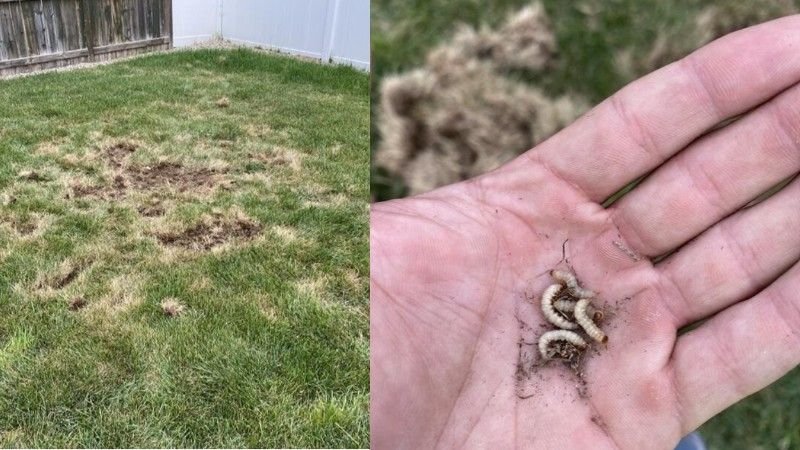
Unfortunately, you most likely will not notice it until the lawn starts turning brown. At first, it just looks dry. You assume it needs more water. But then the patches spread, the grass feels weak underfoot, and suddenly your lawn starts peeling back like old carpet.
So why is this happening, and why are Regina lawns vulnerable to it in late summer?
You can learn more about broader local issues in our guide here: Common Lawn Problems in Regina.
What’s Actually Happening Under the Surface
Sod webworms are the larvae of small lawn moths. You usually don’t notice the moths themselves. It’s what’s happening below the grass canopy that’s interesting.
Early on, the larvae feed on grass blades. As they grow, they begin feeding closer to the crown and root zone of the turf. That’s when the bigger problems start.
In Regina, this activity tends to ramp up moving into August and September, especially after periods of heat and drought stress.
Lawns that are already struggling become much more vulnerable. This includes turf that has:
- shallow roots from frequent light watering
- thinning or stressed areas
- compacted soil limiting root growth
- drought stress from prairie heat
As the larvae feed, they weaken the connection between the grass and the soil underneath. The lawn turns brown because parts of the root system are no longer functioning properly.
Why the Lawn Starts “Lifting Like Carpet”
Typically, even dormant or drought-stressed grass stays anchored to the soil because the root system is still intact. With sod webworms, that connection starts disappearing.
As the larvae feed around the crown and root zone, sections of turf begin separating from the soil underneath. By the time the grass fully browns out, those roots may already be badly damaged or completely severed.
That’s why affected patches:
- lift easily by hand
- peel back with little resistance
- feel loose or spongy underfoot
We’ve heard homeowners describe it as feeling like loose sod that was never properly installed.
Unfortunately, once it reaches that stage, watering alone won’t bring it back. The turf has lost the root support needed to recover on its own.
The Early Signs of Sod Webworms You Might Miss
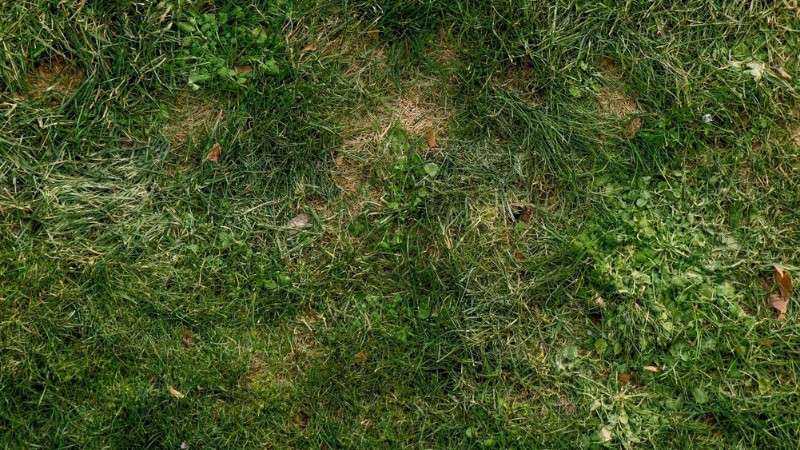
Sod webworms spread so easily because early warning signs don’t always look alarming. At first, you might just notice a dry patch developing.
But there are usually some clues if you know what to look for. You’ll see:
- Irregular brown patches forming in sunny areas, especially sections exposed to prolonged afternoon heat or areas already prone to summer stress.
- Grass drying out faster than the surrounding turf even after watering. Affected spots often fade more quickly because the roots are no longer functioning properly.
- Thinning grass that doesn’t improve with watering. Instead of bouncing back, the turf continues weakening and losing density over time.
- Birds pecking aggressively at the lawn, often feeding on the larvae underneath the surface. This is one of the earliest visible signs that something is happening below the turf.
- Grass feeling loose or spongy underfoot before the lawn fully lifts away. The affected areas may already feel less anchored to the soil.
- Small moths hovering above the lawn at dusk. These are adult sod webworm moths, which are sometimes visible flying low over the grass in late summer evenings.
- Patches expanding outward over time. Unlike temporary drought stress, sod webworm damage usually continues spreading if left untreated.
The most important thing is timing. By the time the turf fully lifts away from the soil, the infestation has already progressed significantly. Catching it early makes the repair much easier.
Sod Webworms vs Drought Stress
At a glance, sod webworm damage looks very similar to drought stress.
Both create brown patches. Both tend to show up during hot weather. And both often appear in sunny areas first.
But there are some important differences.
Sod Webworms | Drought Stress |
Grass lifts easily from the soil because the roots have been damaged | Roots remain firmly attached even if the grass is dormant |
Brown patches spread unevenly and may continue expanding over time | Fading tends to appear more evenly across larger sections |
Damage keeps worsening despite regular watering | Grass often improves once it receives deep, consistent moisture |
Birds may peck at affected areas while feeding on larvae | Little to no insect-related activity is usually visible |
The biggest clue is how the lawn responds to watering. If moisture isn’t improving the area after several days, it’s worth taking a closer look underneath.
Why Watering Won’t Fix the Problem
The lawn looks dry, so it’s natural that you’d want to water it more. But once the root system has been compromised, extra water doesn’t solve the underlying issue.
Damaged roots can’t absorb moisture properly anymore. In severe areas, the grass is no longer connected well enough to the soil to recover naturally.
In some cases, overwatering can even create additional stress by keeping already weakened turf damp and unstable. That’s why successful recovery usually involves more than just irrigation.
How to Repair Sod Webworm Damage
If the lawn starts lifting, you need to start the recovery process, which is rebuilding healthy root support and turf density. Here’s what that involves:
- Remove dead or detached turf first: If sections are peeling back easily, they’re no longer actively growing and will prevent new seed from establishing properly underneath.
- Loosen compacted surface soil where needed. Stressed Regina lawns often develop hard, dense soil during hot summer stretches. Lightly opening up the surface with aeration helps water, oxygen, and seed reach the root zone more effectively.
- Overseed damaged areas quickly. Exposed soil becomes an easy target for weeds once turf dies off. Overseeding helps fill those weak spots before dandelions or other broadleaf weeds move in.
- Apply fertilizer to support recovery. Both new seedlings and surviving grass need nutrients to rebuild density and root strength after insect damage.
- Improve the soil environment underneath the lawn. Treatments like aeration and SoilBooster™ help improve water movement, nutrient absorption, and root development so the lawn can recover more evenly.
- Water consistently, but not excessively. Newly seeded areas need steady moisture to establish, but oversaturating damaged turf can create additional stress.
If It Lifts Easily, Don’t Ignore It
By the time your lawn starts peeling back from the soil, the damage is already advanced. That doesn’t mean the lawn is ruined, but it does mean it’s time to act.
In Regina, sod webworm activity tends to show up right when lawns are already stressed from heat, dry conditions, and summer wear. If those damaged areas are ignored, they often become larger thin spots, weed-prone patches, or sections that struggle to recover next spring.
The earlier you step in, the easier recovery becomes.
Book your lawn care package in Regina today and stop sod webworm damage before small patches turn into major repairs.