


How Calgary Water Restrictions Affect Lawn Health
Reading time: 6 minutes
Most Calgary homeowners know the feeling. Your lawn comes through spring looking lush and healthy, then a stretch of hot, dry weather rolls in, the Chinook winds start pulling moisture out of the soil, and suddenly the grass begins to lose its colour. Just when you're thinking it needs a good soak, watering restrictions in Alberta are announced.
It's easy to assume your lawn is in for a rough rest of the summer. But water restrictions aren't necessarily what causes lawns to struggle. In many cases, healthy grass can tolerate less watering than people think.
The real challenge is understanding how your lawn responds to heat, drought, and reduced irrigation, and the mistakes that you could be making.
(If you’re looking for some tips, check out this blog on how to care for your lawn during water restrictions.)
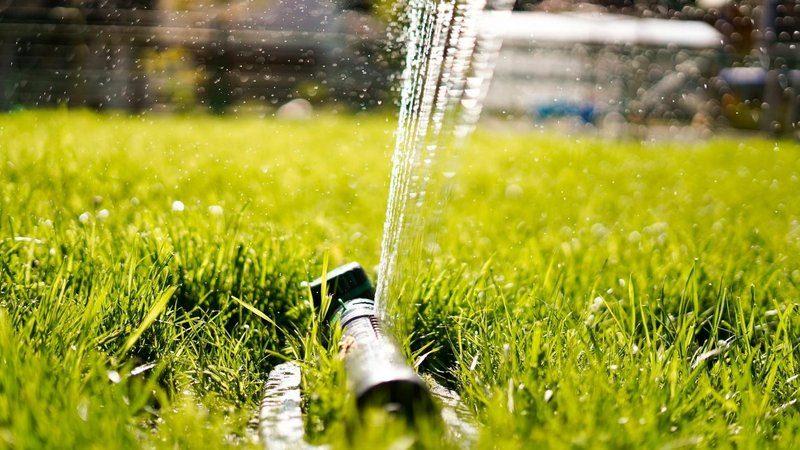
Calgary Lawns Already Live in a Dry Climate
Calgary lawns come with their own set of challenges.
Even in years without restrictions, lawns deal with a unique combination of challenges:
- Low humidity that constantly pulls moisture from the soil and grass blades. Even after a thorough watering, the air itself encourages moisture to evaporate more quickly than in many other parts of Canada.
- Frequent Prairie winds that accelerate evaporation. We’re talking about Chinooks here. This wind doesn't just cool the air; it strips moisture from both the lawn and the soil surface. That means the grass can dry out much faster than you expect.
- Long hours of intense summer sunlight. Sure, we have those long, cruel winters, but the summers can be just as wretched. Full sun is great for growth when moisture is available, but during hot weather, it also raises soil temperatures and increases the lawn's overall water demand.
- Periods of drought and inconsistent rainfall. Calgary often goes weeks without a lot of precipitation, forcing lawns to rely almost entirely on supplemental watering to stay actively growing.
- Rapid drying after hot afternoons. A lawn that looks well-watered in the morning can lose a surprising amount of moisture by evening, especially in exposed areas near sidewalks, driveways, and south-facing slopes.
- Large day-to-night temperature swings. Calgary's cool nights help reduce some stress, but the sharp change between cool mornings and hot afternoons means grass is constantly adjusting to changing growing conditions.
Unlike regions with higher humidity and more consistent precipitation, our lawns don't have a lot of room for error. Moisture can disappear surprisingly quickly, especially during heat waves.
That's why water restrictions can feel particularly stressful here. They don't create dry conditions, but do reduce the flexibility homeowners have to respond to them.
What Happens to Grass When It Doesn't Get Enough Water
Grass is surprisingly resilient. When moisture becomes limited, the lawn doesn't immediately die. Instead, it starts making adjustments to protect itself.
The lawn starts conserving resources. It slows down growth, reduces its energy use, and photosynthesis becomes less efficient.
As drought stress continues, the grass may begin entering a dormant state, which is essentially its survival mode.
When that happens, you’ll notice:
- the grass turning bluish-grey or brown
- footprints remaining visible after walking across the lawn
- slower growth and less need for mowing
- thinner-looking turf
The problem is that brown grass often looks dead, which may cause you to panic.
It’s important to remember here that dormant grass and dead grass are not the same thing. In many cases, the lawn is simply waiting for better growing conditions. If moisture returns and the root system remains healthy, dormant grass can recover remarkably well.
The challenge comes when drought stress continues for long periods or when additional stress gets piled on top.
Why Some Lawns Struggle More Than Others
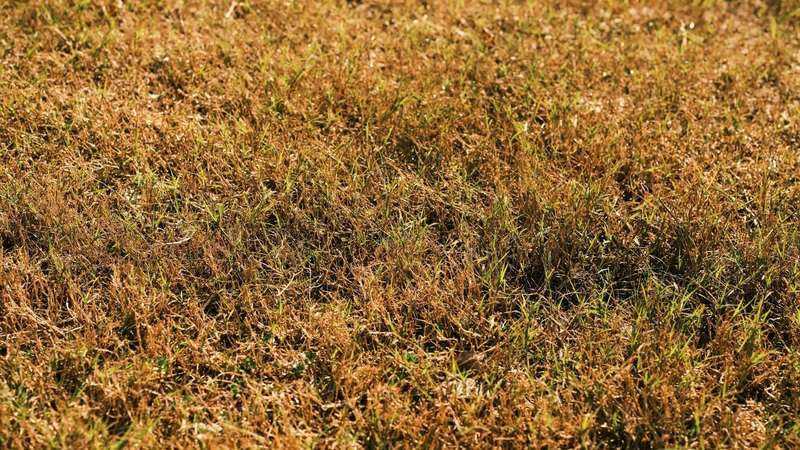
We’ve all noticed how one lawn in a neighbourhood stays healthy during dry weather while another on the same street turns brown almost immediately.
How could this happen when they’re most likely facing the same conditions?
Well, some lawns are simply better prepared for stress.
A lawn with deep roots can access moisture farther down in the soil profile, while a dense lawn shades the soil and slows evaporation. Healthy soil in turn absorbs and stores water more effectively.
Lawns that struggle during restrictions usually have pre-existing issues like:
- shallow root systems
- compacted soil
- thin or patchy turf
- poor watering habits
- Previous stress from disease or insects
Water restrictions often expose these weaknesses. The lawn may have been getting by under normal conditions, but reduced watering suddenly reveals the areas where resilience is lacking.
The Biggest Lawn Mistakes You’re Making During Water Restrictions
Ironically, some of your lawn care practices might actually be making the situation worse during restrictions.
1. Watering Lightly and Frequently
A quick daily sprinkle may make the surface look damp, but it doesn't provide much benefit to the roots. Instead, it encourages roots to stay close to the surface where the soil dries out fastest. Over time, the lawn becomes even more dependent on frequent watering.
2. Cutting Grass Too Short
Many people cut their lawn shorter during drought because they think it’ll need less water.
The opposite is usually true. Short grass exposes the soil directly to the sun, increasing evaporation and placing additional stress on the turf. Taller grass helps shade the soil and retain moisture.
3. Fertilizing a Severely Stressed Lawn
Fertilizer supports growth, but severely drought-stressed grass isn't really in growth mode. Trying to force growth when the lawn is struggling for moisture can add unnecessary stress. Timing matters.
4. Watering in the Middle of the Day
During hot afternoons, a significant amount of water can evaporate before it ever reaches the root zone. Early morning watering is far more efficient and allows the lawn to make better use of available moisture.
5. Trying to "Green Up" a Dormant Lawn
Sometimes a lawn is simply protecting itself, and continuously pushing a dormant lawn to stay green can create additional stress and lead to inconsistent recovery later. Patience is often part of the process.
Why Deep Watering Still Matters (Even With Restrictions)
When watering opportunities become limited, how you do it becomes more important.
The goal isn't simply getting the grass wet. The goal is to get moisture down to the root zone.
Deep watering encourages roots to grow deeper into the soil where moisture remains available longer. This is especially important in Calgary's climate, where periods of heat and dry weather are common. It also helps improve overall soil moisture retention. Water that penetrates farther into the soil profile tends to remain available longer than moisture sitting near the surface.
Timing matters too. Whenever restrictions allow, early morning remains the best time to water. Temperatures are cooler, wind is generally calmer, and more of the water actually reaches the roots instead of evaporating.
Less frequent doesn't necessarily mean less effective. In many cases, watering deeply and strategically is better for the lawn than frequent shallow watering.
Building a More Resilient Lawn for Future Restrictions
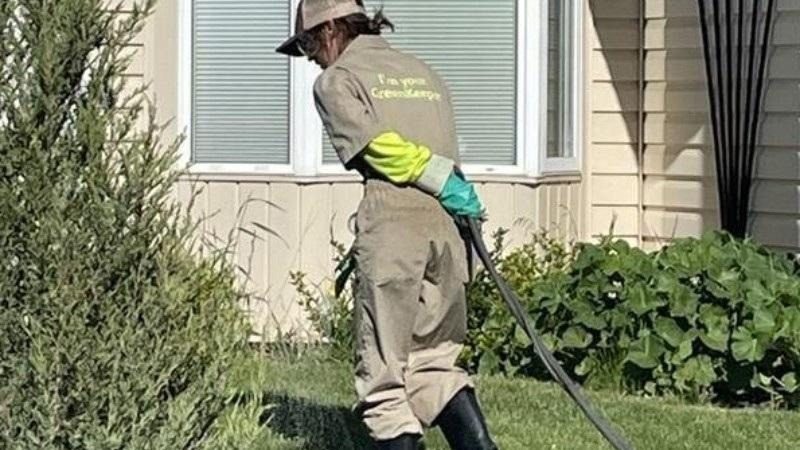
The reality is that water restrictions may become part of life in Calgary more often in the future. And healthier lawns are simply better equipped to tolerate stress.
That starts with building stronger root systems and improving the overall growing environment.
Some of the most effective ways to improve long-term resilience include:
- Maintaining proper mowing height to reduce moisture loss.
- Aerating compacted soil so water can move deeper into the root zone.
- Overseeding thin areas to improve turf density.
- Supporting steady growth through proper fertilization.
- Improving soil performance with treatments like SoilBooster™.
A Stressed Lawn Doesn't Mean a Lost Lawn
The truth is, lawns here have always had to work a little harder than in other parts of the country. Water restrictions simply remind us how important resilience really is.
At Green Drop, we focus on building healthier lawns from the ground up in Calgary. A healthier lawn won't eliminate drought or water restrictions. But it will be much better prepared to handle them.
Book your lawn care package today and give your lawn the support it needs to stay healthier through Calgary's dry summers and whatever restrictions come next.