


Why Chinch Bugs Keep Coming Back to Prairie Lawns
Reading time: 5 - minutesAs July arrives, and temperatures climb, prairie lawns begin to act strangely. They’ll look great one week and stressed the next.
A brown patch appears near the sidewalk. Then another one. The grass starts looking dry even though you've been watering.
Naturally, you assume it's the heat and drought. Right? Nope.
The real culprit is often chinch bugs.
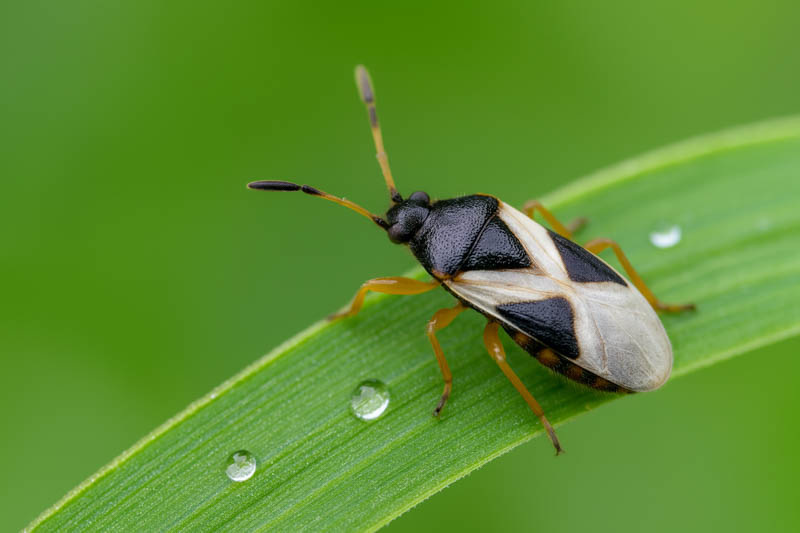
It’s something we see across Calgary, Red Deer, Edmonton, Saskatoon, Winnipeg and Regina. The lawn is treated, gets better but the same thing happens the following summer.
It’s not because the treatment didn’t work or was short-term. More often, conditions that invited the bugs in the first place persisted, and so they came back.
If you'd like help identifying chinch bug damage, we've covered that in our guides on Chinch Bug Damage in Calgary Lawns and How to Identify Lawn Damage: Bugs or Fungus.
Today, we're looking at why chinch bugs keep coming back year after year.
Why Prairie Lawns Are So Vulnerable
Prairie lawns operate under a unique set of challenges. Unlike regions with higher humidity and more consistent rainfall, here we spend much of the growing season managing moisture loss.
You're dealing with:
- Hot summer temperatures that place constant stress on turfgrass. Prolonged periods of heat force lawns to use more energy and moisture just to maintain normal growth.
- Strong sun exposure with little natural protection. Many Prairie lawns receive full-day sunlight, which increases soil temperatures and accelerates moisture loss from both the grass and the root zone.
- Wind-driven evaporation that dries lawns faster than homeowners expect. Even moderate winds can pull significant moisture from the soil surface, particularly during extended warm periods.
- Periods of drought stress that weaken turf before visible symptoms appear. Grass can begin struggling below the surface long before it starts turning brown.
- Rapidly drying soil conditions during summer heat waves. Moisture often disappears quickly between waterings, especially in exposed areas near sidewalks, driveways, and south-facing sections of the lawn.
- Thin or stressed turf left behind from previous seasons. Lawns recovering from winter damage, disease, insects, or summer stress often enter the growing season at a disadvantage.
- Compacted soils that limit root growth and water movement. When roots can't grow deeply, lawns become far more vulnerable to heat and drought pressure.
Grass can handle these conditions surprisingly well when it's healthy. The problem is that many lawns enter summer already carrying some level of stress.
The roots might be shallow. Maybe the soil is compacted. Maybe the lawn struggled through a dry period earlier in the season.
Those issues don't always show up immediately, but they create opportunities, and chinch bugs are incredibly good at finding those opportunities. They thrive where turf is already weakened. Such lawns become easier to feed on, slower to recover, and more vulnerable to widespread damage.
Why Chinch Bugs Keep Coming Back
Usually after treatment in the summer, a lawn will gradually green back up. By fall, everything appears normal again. Except underneath the surface, many of the conditions that contributed to the infestation may still be there.
Things like:
- shallow root systems
- drought stress
- thin turf density
- compacted soil
- inconsistent watering habits
Those problems don't disappear simply because the lawn recovered visually.
When the following summer arrives, the weather heats up, the lawn becomes stressed again, and the same vulnerabilities that existed the year before start creating opportunities for chinch bug activity.
The Perfect Storm for Chinch Bug Damage

One reason chinch bugs seem to appear so suddenly is because several factors often build at the same time.
It usually starts with an early stretch of hot weather. At first, nothing seems wrong. The lawn may still look green and healthy. But beneath the surface, moisture levels begin dropping and the grass starts working harder to maintain itself.
As temperatures continue climbing:
- Evaporation increases dramatically, pulling moisture from both the soil and the grass blades faster than they can naturally replenish it.
- Soil dries out more quickly between waterings, especially in sunny areas and sections exposed to reflected heat from sidewalks, driveways, and patios.
- Roots are forced to work harder for moisture, using valuable energy reserves just to maintain basic plant functions instead of supporting healthy growth.
- Turf growth begins slowing down, reducing the lawn's ability to repair everyday wear, heat stress, and insect feeding damage.
- Overall stress levels rise throughout the lawn, even before visible symptoms begin appearing on the surface.
At the same time, chinch bug populations become more active. Now you have two things happening simultaneously: the lawn is becoming weaker, and the insects are becoming more active.
That combination creates what many lawn care professionals consider the perfect storm. Once chinch bugs begin feeding on already stressed turf, damage can accelerate quickly.
The lawn loses its ability to recover efficiently. Brown patches begin expanding, neighbouring areas become increasingly vulnerable, and the grass struggles to bounce back even when watering practices improve.
Why Recovery Isn't the Same as Prevention
Recovery and prevention aren’t the same thing. A lawn can recover from chinch bug damage and still remain highly vulnerable to future infestations.
Recovery focuses on repairing visible damage.
Prevention focuses on reducing the conditions that allowed the damage to happen.
A lawn that recovers cosmetically may still have:
- weak root development
- areas of thin turf
- compacted soil
- inconsistent moisture management
- stress from previous seasons
Those factors may not be obvious in September, but they often become very obvious the following July.
Keep in mind, a healthy-looking lawn isn't always a resilient lawn. The goal isn't simply getting the grass green again. The goal is building a lawn that can better tolerate heat, drought stress, and insect pressure before problems develop.
What Makes a Lawn Less Attractive to Chinch Bugs
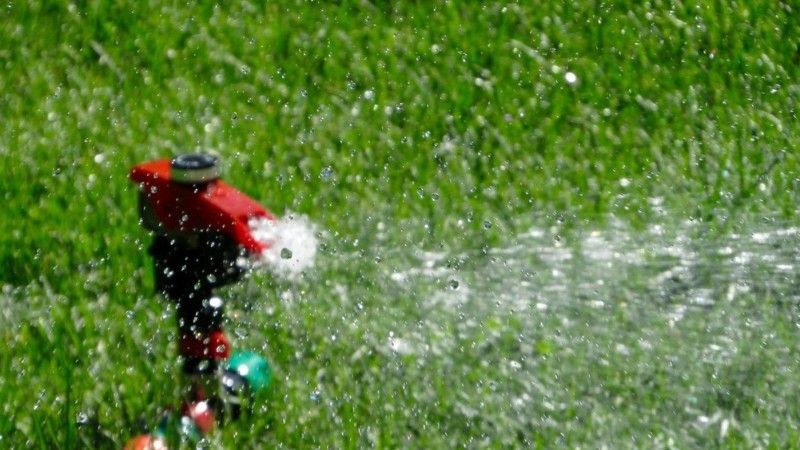
You can't control Prairie weather. You can't stop every hot stretch in July. And you certainly can't convince chinch bugs to move somewhere else.
What you can do is make your lawn less vulnerable.
The stronger and denser the turf, the harder it becomes for stress-related damage to snowball into larger problems.
Some of the most effective ways to control chinch bugs include:
- Encouraging deeper root growth through proper watering practices: Deep, infrequent watering helps roots grow downward where moisture remains available longer during hot weather.
- Maintaining proper mowing height: Slightly taller grass shades the soil, reduces moisture loss, and helps protect the crown of the plant from heat stress.
- Fertilizing consistently throughout the growing season: Healthy turf recovers faster from stress and maintains the density needed to compete effectively.
- Overseeding thin areas before they become larger weak spots: Improving turf density reduces the open space where stress and damage can spread more easily.
- Addressing soil conditions: Compacted soil restricts root growth and limits the movement of water, oxygen, and nutrients. Improving soil conditions through aeration creates a healthier growing environment overall.
Notice that none of those strategies focus directly on chinch bugs. That’s because long-term prevention is often about improving the lawn first.
Don't Give Chinch Bugs the Same Opportunity Twice
One of the biggest misconceptions about recurring infestations is that chinch bugs simply come back. In reality, what often comes back are the conditions that allowed them to thrive.
The good news is that this cycle can be interrupted. At Green Drop, our lawn care services don’t just focus on helping lawns recover from damage; they help build healthier, more resilient turf that can better withstand the conditions that lead to recurring problems in the first place.
Book our chinch bug lawn defender progam and give your lawn the support it needs to break the cycle of recurring chinch bug damage.