


How to Tell If Your Edmonton Lawn Damage Is Bugs, Disease, or Drought
Reading time: 5 - minutesAnyone with a lawn in Edmonton has probably had this moment: you step outside, spot a patch of yellow or brown grass, and immediately start making guesses…
Is it the heat? Not enough water? Bugs? Some weird lawn disease that appeared overnight?
A lot of lawn problems look almost identical at first glance.
But your lawn is actually leaving you clues. When it comes to lawn care in Edmonton, dry summers, sudden heat swings, compacted soil, and occasional pest pressure can all damage turf in different ways.
We’ll break down how to tell whether your lawn is struggling from bugs, disease, or drought stress, and when it’s time to take action before the damage spreads.
If you’re dealing with multiple issues across your yard, our full guide to common lawn problems in Edmonton covers the bigger picture, too.
Bugs, Disease, or Drought? Here’s How to Tell the Difference
Before you start rethinking your watering schedule or treating the lawn, it helps to narrow down what you’re actually dealing with.
Here’s a quick comparison before we get into the nitty-gritty:
Chinch Bugs | Drought Stress | |
Brown patches appear suddenly and spread irregularly | Patches are often circular or patterned | Fading usually appears more evenly |
Damage continues despite watering | Grass may look matted, fuzzy, or discoloured | Lawn improves after deep watering |
Grass can feel dry and brittle near the surface | Often appears after humid or wet conditions | Common during prolonged heat and dry periods |
Birds may peck aggressively at affected areas | Moisture tends to linger on the grass blades | Footprints may remain visible after walking |
Damage often starts in sunny, stressed areas | Can include pink, tan, or dark discolouration | Roots usually remain intact |
The important thing is paying attention to how the lawn is behaving, not just the colour. Brown grass is a symptom. The pattern behind it tells the real story.
What Drought Stress Actually Looks Like
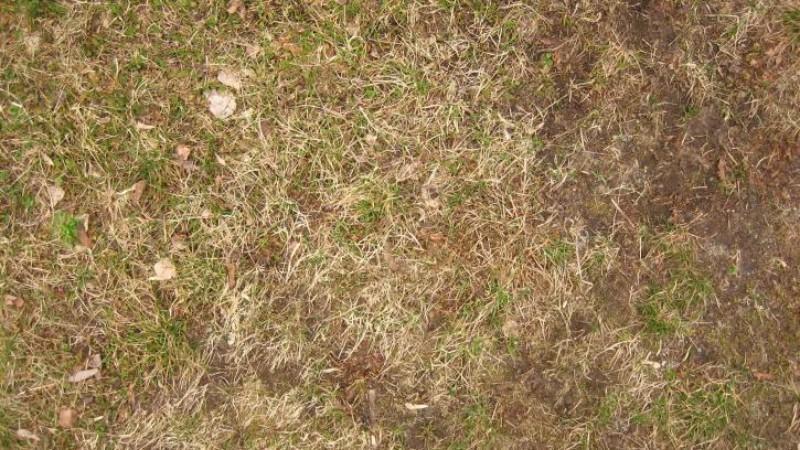
Edmonton has seen some of its longest stretches without rain recently. So it makes sense that drought stress is one of the most common lawn issues in Edmonton, especially during hot, dry stretches in July and August.
But true drought stress tends to happen more gradually than insect damage. The lawn usually starts fading from healthy green to a dull grey-green colour before turning brown. The change often appears across larger areas rather than isolated patches.
Another common clue is footprinting. If you walk across the lawn and your footprints remain visible for a while afterward, the grass is lacking moisture and elasticity.
You may also notice:
- dry, crispy blades
- slower growth
- areas near sidewalks or driveways struggling first
The key difference is response.
A drought-stressed lawn typically improves after deep, consistent watering. It may not recover overnight, but you’ll usually see some improvement within several days if moisture is the issue.
That’s very different from insect or disease damage, where the lawn often continues declining despite additional watering.
How to Tell If It’s Chinch Bugs
Chinch bug damage often looks exactly like drought stress in the beginning. The patches appear dry, brown, and stressed. Naturally, people water more.
But instead of improving, the damaged area keeps spreading. That’s usually the first major clue.
Chinch bugs thrive during hot, dry weather and tend to target lawns that are already stressed. They feed on grass blades and roots, weakening the turf’s ability to absorb moisture properly.
You’ll often notice:
- irregular brown patches
- areas worsening despite watering
- grass feeling brittle near the surface
- damage spreading outward over time
Bird activity can also be a giveaway. If birds are repeatedly pecking at one section of the lawn, they may be feeding on insects underneath the surface.
In more advanced cases, the grass may begin separating from the soil because the root system has been weakened. That’s why watering alone doesn’t solve the problem.
Lawn Disease: When It’s More Than Dry Grass
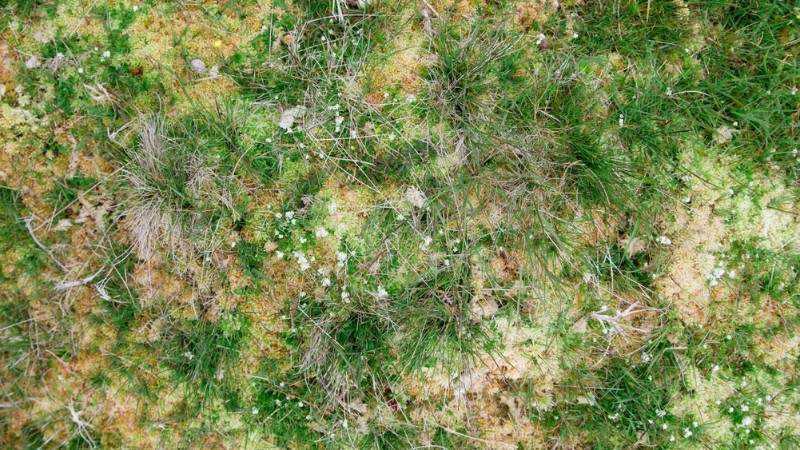
In Edmonton, lawn diseases can also show up during periods of humidity, heavy moisture, or prolonged surface dampness. This is especially common after rainy stretches or when lawns stay wet overnight for long periods.
Some of the most common diseases include:
- dollar spot
- red thread
- brown patch
Unlike drought stress, lawn disease often creates more defined patterns. You might notice circular or oddly shaped patches, tan, pink, or reddish discolouration or even matted or fuzzy-looking grass.
Disease tends to show up more aggressively in lawns that are already under stress from poor airflow, inconsistent fertilization, or excess moisture. That’s why overwatering can sometimes make the situation worse.
Why Edmonton Lawns Are Vulnerable to Sudden Stress
Part of the challenge in Edmonton is that all three of these issues can appear during the same part of the season.
Hot summer stretches create drought stress and ideal conditions for chinch bugs. Then periods of rain or humidity create opportunities for fungal disease.
On top of that, when Edmonton lawns deal with compacted soil, shallow root systems, uneven watering habits and rapid temperature swings, that combination creates stress cycles.
A lawn weakened by drought becomes more vulnerable to insects. A lawn stressed by insects becomes more vulnerable to disease.
So while the symptoms may look different, the underlying issue is often the same.
Why Misdiagnosing the Problem Makes It Worse
If chinch bug damage is mistaken for drought, homeowners usually respond by watering more. But extra water won’t stop insect feeding.
If disease is mistaken for drought stress, overwatering can actually increase fungal activity.
And if a drought-stressed lawn is treated aggressively without addressing soil conditions or watering depth, recovery may stall completely.
The wrong solution often adds more stress to an already weakened lawn.
That’s why pattern recognition matters so much. You’re not just looking for brown grass, you’re looking at:
- how the damage spreads
- how the lawn responds to water
- whether roots remain healthy
- what conditions were present before the issue appeared
The sooner the real cause is identified, the easier the recovery process becomes.
What Edmonton Homeowners Should Do
It’s tempting to immediately water more or apply treatments the moment brown patches appear, but a quick inspection usually reveals much more than people expect.
Before making changes, take a closer look at the lawn itself:
- Check whether the grass still feels anchored to the soil. Healthy roots should hold the turf firmly in place, even if the lawn is stressed.
- Watch how the damage is spreading. Drought stress usually appears more evenly, while insect damage tends to spread outward in irregular patches.
- Pay attention to how the lawn responds after watering. If the area continues declining despite moisture, drought may not be the real issue.
- Look for signs of activity near the surface. Birds pecking repeatedly at the lawn or visible insects can point toward pest problems underneath.
- Notice the overall pattern and colour variation. Circular patches or unusual discoloration often suggest disease rather than dryness.
Most importantly, avoid trying to fix everything at once. Lawns recover much more effectively when the actual cause is identified first.
The Faster You Identify It, the Easier It Is to Fix
In Edmonton, lawn damage tends to escalate quickly during summer. What starts as one small patch can spread surprisingly fast when heat, insects, moisture stress, and disease pressures all overlap.
That’s why early diagnosis matters so much.
At Green Drop, we focus on identifying what’s actually causing the damage first, then building the right recovery plan around it. Whether the issue is chinch bugs, drought stress, disease, or a combination of factors, the goal is always to strengthen the lawn from the ground up so it can recover properly and stay healthier moving forward.
Book your lawn care package in Edmonton today and get ahead of lawn damage before small patches become bigger repairs.
And if you’re dealing with chinch bug damage, book our lawn defender package here.