


Why New Neighbourhoods in Saskatoon Have Worse Weed Problems
Reading time: 6 minutes
When you move into a brand-new neighbourhood, you’re expecting a fresh start.
The house is new. The landscaping is new. The streets are new. Everything looks clean and well planned.
To then have weeds show up on your brand new lawn out of nowhere, is unsettling.
It starts with a few dandelions along the edge of the lawn. Then, you notice broadleaf weeds popping up near the sidewalk. Before long, you're wondering how a lawn that's only a year or two old already seems to be fighting a weed problem.
Many newer Saskatoon neighbourhoods experience significantly higher weed pressure than more established parts of the city. And surprisingly, it often has very little to do with how well you're caring for your lawn.
The reality is that many new developments are built in environments that naturally create ideal conditions for weed spread and establishment. Let's look at why that happens.
If you'd like to learn more about lawn challenges specific to the area, check out our guide on Common Lawn Problems in Saskatoon.
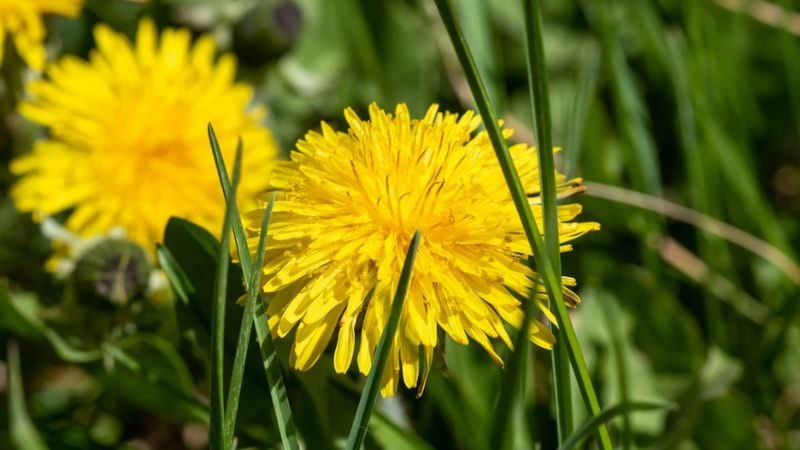
New Neighbourhoods Are Surrounded by Weed Sources
One of the biggest differences between established communities and newer developments is what's around them.
In mature neighbourhoods, homes, trees, parks, and established landscapes surround most properties. The area has had years, sometimes decades, to stabilise.
New neighbourhoods are different. In fact, many of Saskatoon's new communities are built on the edges of the city where development meets open land.
That means, they’re often neighbouring:
- agricultural fields
- undeveloped parcels
- construction zones
- drainage areas
- vacant lots awaiting future development
Such areas are often unkempt, receiving little to no active management, which means common Prairie weeds are running rampant here.
Weed Seeds Travel Farther Than Most People Think
You might think that weeds appear out of nowhere or are only there because they were already present in the lawn. In reality, many weed problems begin with seeds arriving from somewhere else.
Dandelions provide the most obvious example. Those familiar white seed heads are designed specifically to travel on the wind. A single gust can carry seeds to surprising distances.
But wind isn't the only transportation method.
Weed seeds can also spread through people, wildlife, birds, water, and the movement of equipment.
This means that even a perfectly maintained lawn can still receive thousands of weed seeds throughout the growing season.
In newer Saskatoon neighbourhoods, where we’ve established that open land often surrounds residential developments, that risk of weed seed exposure is especially high.
The challenge isn't stopping seeds from arriving, but preventing those seeds from successfully establishing themselves.
Are New Lawns More Vulnerable Than Established Lawns?
Yes, the truth is that new lawns are still developing.
Compared to mature turf, newer lawns often have:
- less developed root systems
- lower overall density
- thinner turf coverage
- inconsistent establishment
That creates opportunities.
A mature lawn behaves like a crowded room. There isn't much open space available.
In a new lawn, there may be small gaps between grass plants. Root systems may not fully occupy the soil profile yet. Turf density is still developing.
For a weed seed looking for a place to grow, those openings are opportunities. That's why new neighbourhoods often experience heavier weed pressure even when homeowners are doing many things correctly.
Construction Activity Creates Ideal Conditions for Weeds
Another factor that often gets overlooked is the impact of ongoing construction. In established neighbourhoods, most of the surrounding soil has been covered by lawns, gardens, trees, pavement, or buildings for years.
New communities are still evolving. Construction equipment moves through the area. Lots are graded. Soil is disturbed. New homes continue to be built.
All of that activity creates exposed soil. And exposed soil is one of the best environments possible for weed establishment.
Weeds are opportunists. They don't need perfect growing conditions. They simply need an opening.
When construction disturbs the soil, dormant weed seeds can be brought to the surface, where sunlight and moisture allow them to germinate. At the same time, seeds blowing in from nearby fields find countless places to establish themselves.
Even after homeowners complete their landscaping, nearby construction activity can continue, introducing new weed pressure into the area for years.
Why Some Lots Seem Worse Than Others
It’s all about location. For instance, properties bordering open fields often experience more wind-driven seed movement than homes located farther inside the same neighbourhood.
Corner lots may be more exposed to prevailing winds.
Homes backing onto undeveloped land or drainage areas may experience higher concentrations of certain weed species.
Even subtle differences in elevation and drainage can influence how seeds move across a property.
That's why some homeowners feel like they're constantly battling weeds while their neighbours seem to have far fewer issues. Don’t get us wrong, your lawn care practices have a bearing on this too, but sometimes it's just the geography.
The Best Defence Is a Thick, Healthy Lawn
At this point, you might be thinking that weed problems are simply unavoidable because you can’t control the wind or construction or birds…
Not exactly.
You may not be able to stop weed seeds from arriving, but you can make it much harder for those seeds to succeed. The strongest defence against weeds is “turf density”.
When grass grows thick and healthy, it naturally competes for the same resources weeds need. Think sunlight, moisture, nutrients, and space.
A dense lawn leaves fewer opportunities for weed seeds to establish themselves, which is why long-term weed management is about strengthening the lawn itself.
Some of the most effective ways to do that include:
- Consistent fertilization to support vigorous growth and turf density. Healthy grass grows more actively, fills in open areas faster, and competes more effectively for the resources weeds need to establish.
- Overseeding thin areas before weeds have a chance to move in. Bare or sparse sections of turf are often the first places weeds gain a foothold. Adding new grass seed helps strengthen those vulnerable areas and improve overall lawn density.
- Proper mowing practices that encourage healthy root development. Maintaining the right mowing height helps shade the soil, retain moisture, and support deeper roots, all of which contribute to a stronger lawn.
- Weed control programs that reduce competition from established broadleaf weeds. Removing existing weeds allows the lawn to direct more water, nutrients, and energy toward healthy turf growth instead of competing vegetation.
- Soil improvement strategies that help grass make better use of available nutrients and moisture. Our SoillBooster™ amendment supports stronger roots, better nutrient uptake, and more consistent growth throughout the season.
- Addressing weed pressure early before small problems become larger infestations. Staying proactive prevents isolated weeds from producing more seeds and creating additional pressure on the lawn.
The goal isn't creating a lawn that never sees a weed seed, since that's impossible. You’re trying to create a lawn that's strong enough to outcompete most of them.
Your New Saskatoon Lawn Doesn't Have to Become Overrun By Weeds
There’s a reason that you chose to live in one of the newer Saskatoon neighbourhoods. Sure, that means dealing with some unique lawn care challenges.
The fields, undeveloped land, and construction activity surrounding your community will create conditions where weed pressure is naturally higher than in established neighbourhoods.
That doesn't mean weeds have to take over.
The key is staying ahead of them.
A healthy, dense lawn is far better equipped to handle the constant influx of weed seeds that newer developments often experience.
Book your lawn care package in Saskatoon today and stay ahead of weeds before they take hold.