


How to Care For Your Yard When You're Working on a Tight Budget
Reading time: 8 minutesHow to Care For Your Yard When You're Working on a Tight Budget
Caring for a yard on a tight budget doesn’t mean you have to spend hours out there daily. Quite frankly, it’s more about a few high-impact tasks done well, and done consistently (the operative word here being consistently).
We’ve been doing lawn care since 1979, so we figured we’d let you in on a no-nonsense playbook for lawn care on a budget.

Start With These Basics First
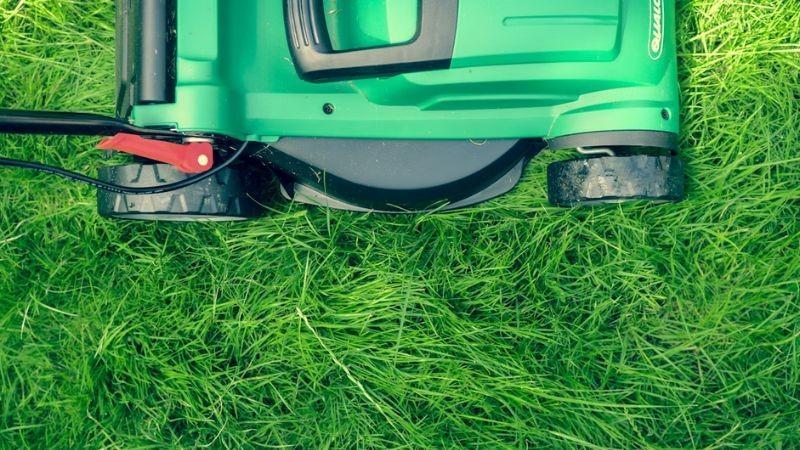
- Mow higher, not harder (free): Set your mower around 3 in / 7.5 cm. Taller grass shades the soil, keeps moisture in, and naturally blocks many weeds. Follow the one-third rule. Never remove more than a third of the blade in one cut. The lawn looks fuller, uses less water, and recovers faster.
- Keep the blade sharp (cheap performance boost): Sharpen every 4–6 mows or at least twice a season. Clean cuts reduce disease entry and make turf look greener without extra product.
- Grasscycle your clippings (free nutrition): Leave clippings on the lawn. They break down into slow-release nitrogen and organic matter. That’s free fertilizer every time you mow, and it improves soil over the season.
Except….
…when it’s about to pour. Light rain is fine, but if you’re expecting heavy rain in your area, skip this step because the grass clipping may clump together, matting over the grass and blocking air/sunlight. In warm, wet conditions, these thick mats can encourage fungal disease.
- Water like you pay for it (because you do): Deep and occasional beats, frequent and shallow. Aim for a good soak, then rest days. Early morning watering reduces loss to wind and sun. Pause irrigation for a few days after decent rainfall. A $0 habit change can save a lot on utilities.
- Edge and tidy (big visual impact, tiny cost): A clean line along walkways, drives, and beds makes everything look professionally maintained. Ten minutes of edging and sweeping can do more for curb appeal than a cart of impulse-buy products.
Thin Lawn Playbook (build density on the cheap)

- Overseed the right way: Target early fall (late August/early September) for cool-season lawns. Rake thin spots, scratch the surface, spread a good quality seed mix that matches your sun/shade, and keep the top ½ inch moist for 2–3 weeks. This is the most cost-effective lawn refresh you could do.
If you missed fall, spring is your next best option. The soil is warming up, and the rains help with germination.
- Core aeration: If the soil is compacted or traffic is heavy, aeration opens channels for air, water, and nutrients.
- Selective topdressing (compost): A thin layer of compost over tired zones kick-starts microbes, improves structure, and helps with water holding. Focus on the worst 10–20% of the yard to stretch your dollars.
Weed Control on a Budget (prioritize, then prevent)
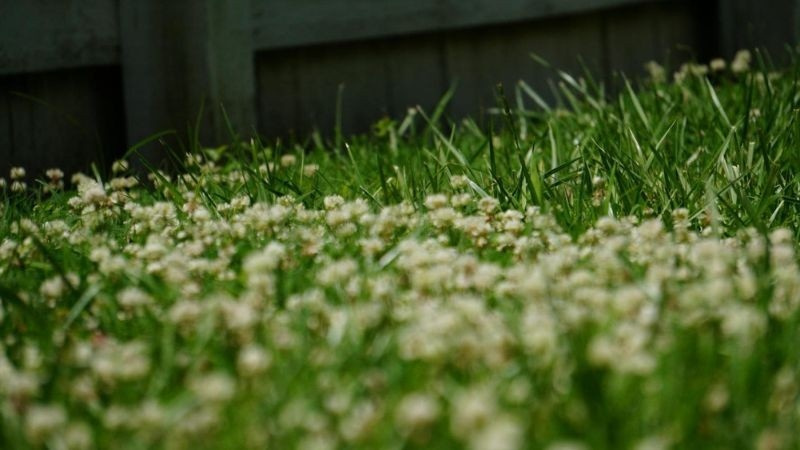
- Hand-pull the high-impact weeds: Taproot weeds like dandelion are easiest after rain. Remove the root; don’t just pop the top. Clear the worst seed-producers first so you’re not battling the same area next month.
- Mow high; feed light: Taller, well-fed grass shades the soil and closes gaps where weeds germinate. A dense lawn is the cheapest long-term weed control.
- Spot-treat, don’t blanket-treat: If the budget’s tight, save product for the hotspots. A small hand sprayer and a steady hand stretch a bottle a long way.
Water Savings That Actually Work
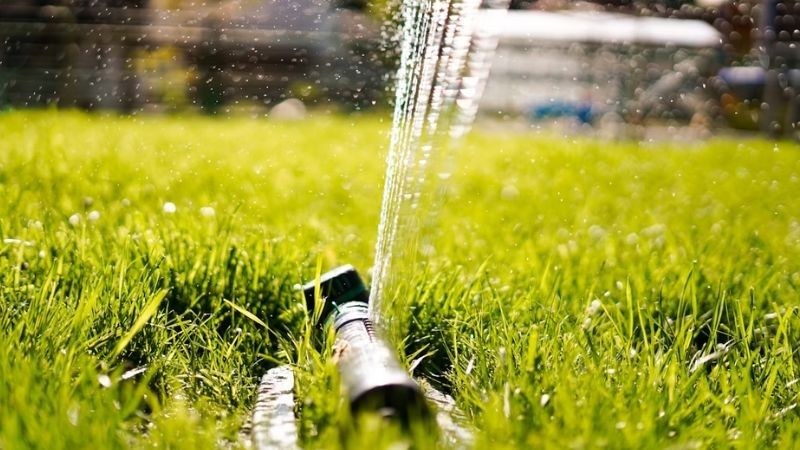
- Measure water; don’t guess: Use the tuna-can test to time zones to 1" per deep soak, then confirm depth with a screwdriver. Set runtimes from data, not habit.
- Fix the aim: Point sprinklers at grass, not pavement. Sounds obvious, but saves money.
- Cycle and soak: On sloped areas or compacted soil, run shorter cycles with breaks between them so water sinks instead of running off.
- Capture free water: A basic rain barrel or downspout extension can supply hand-watering for new seed and pots. It also reduces puddling where the downspouts used to dump.
The $0–$300 Budget Stack (spend where it matters)
$0 Moves
- Mow high, grasscycle, water early, keep edges crisp, pick up debris.
- Sharpen the mower blade with a file you already own; clean under the deck.
- Mulch fallen leaves into the lawn in thin passes instead of bagging.
Up to $50
- Buy a quality sun/shade seed mix for spot overseeding.
- Grab a hose-end sprinkler with an easy on/off and a cheap timer.
- Pick up a bag of compost for topdressing bare spots.
Up to $150
- Add a rain barrel or a simple rain sensor for your controller.
- Edge shears or a battery trimmer to keep lines crisp.
Common Money Pits to Avoid
- Over-fertilizing: A lot of the time, if you don’t know what you’re doing with fertilizers, you’re pretty much burning money. Heavy nitrogen looks good for a week and costs you in burn risk, thatch, and more mowing.
- Buying the cheapest seed: Bargain mixes often include filler or species that don’t match your yard. Spend a little more once, reseed less later.
- Watering daily to be safe: Shallow daily water trains shallow roots. Deep roots come from deeper, less frequent watering.
- Spring seeding binge: Heavy spring overseeding often fizzles when summer heat hits. Save the big seed push for late summer/early fall when seedlings actually establish.
- Landscape fabric under mulch: It traps soil on top, and weeds root into that layer. You’ll pay twice for pulling it later. Use 2–3" mulch and refresh annually instead.
- Buying “once-a-year” tools: Spend on seed/compost instead of equipment and storage.
When To DIY and Where To Get Professional Help
Staying DIY doesn’t mean doing everything alone. A few targeted, professional moves can amplify the basics you’re already doing.
For example, regionally timed, slow-release fertilizer programs can be hugely beneficial for steady growth without the surge-and-crash you get from heavy nitrogen. If your soil is tired or compacted, a soil boost (check out our patented SoilBooster™) helps your lawn use the nutrition you’re already putting down.
Basically, you keep the routine simple. Let the pros tackle the pieces that require timing, gear, or specialised materials. You save time and avoid guesswork, and your day-to-day budget habits work even better.
Big Results, Small Budget
A good yard isn’t about buying everything in the lawn aisle. It’s about mowing high, watering smart, thickening thin spots, and targeting problems instead of chasing them. Start with the free moves, layer in a few low-cost upgrades, and keep a steady rhythm through spring and fall. That’s the formula.
When you want a boost without blowing the budget, Green Drop can slot in where it counts.
We serve homeowners in Winnipeg, Calgary, Red Deer, Edmonton, Saskatoon, and Regina. And when you’re ready to really invest in your lawn, check out our lawn care packages that come out in early spring. It gives you season-long protection.