


How to Get Rid of Weeds From Your Gravel Driveway
Reading time: 5 minutesYou’d think gravel driveways were the last place weeds would grow.
There's no rich garden soil or mulch or flower bed.
It’s just rock.
And yet, every summer, those little invaders somehow find a way through.
Impressive maybe? Mostly annoying though.
Here’s the kicker: Gravel driveways are actually the perfect environment for weeds to establish.
Let's look at what actually works, what doesn't, and how to keep your gravel areas looking clean with far less effort.
Why Gravel Driveways Grow So Many Weeds
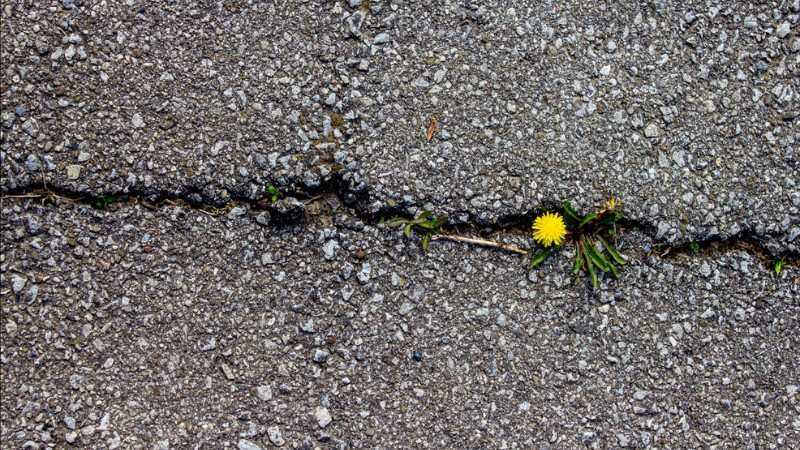
It might seem like weeds are growing through the gravel. In reality, they're usually growing in it.
Over time, tiny amounts of dust, soil, leaves, grass clippings, and other organic material settle between the stones. As that material breaks down, it creates a surprisingly suitable growing medium for weed seeds.
Wind carries seeds in from nearby fields and lawns. Birds drop them while feeding. Rainwater moves them across your property. Even vehicle tires and lawn equipment can introduce new seeds.
Gravel also absorbs and radiates heat much more readily than surrounding turf. That extra warmth helps warm the thin layer of soil beneath the stones, creating favourable conditions for many weed seeds to germinate earlier and grow faster.
That's why simply removing visible weeds rarely solves the problem for long.
4 Ways to Get Rid of Gravel Weeds (From Least to Most Effective)
There are plenty of ways to remove weeds from a gravel driveway. Some work well for small jobs. Others provide much longer-lasting results.
1. Hand Pulling
Hand-pulling is often the first thing homeowners try, and for good reason. It's inexpensive, chemical-free, and provides immediate results.
For isolated weeds or small gravel areas, it's a perfectly reasonable approach. The challenge is that many weeds develop surprisingly deep or extensive root systems. If part of the root remains behind, regrowth is common.
It’s also difficult to keep up once weeds begin appearing across larger driveways, parking pads, pathways, or rock beds. So maybe use it for maintenance rather than large infestations.
2. Boiling Water
Boiling water is another popular DIY option. The high temperature damages plant tissue almost instantly and can be effective on newly emerged weeds. It's also appealing because it doesn't leave chemical residues behind.
However, it's most practical for very small infestations.
Trying to carry multiple pots or kettles of boiling water across a large driveway quickly becomes impractical (also, it’s not totally safe). Established perennial weeds with deeper root systems may also recover after the top growth dies back.
3. Landscape Fabric
Landscape fabric is often recommended when installing a new gravel driveway or refreshing an existing one. When installed properly beneath the gravel, it creates a physical barrier that helps reduce weeds emerging from the soil below.
The important thing to understand is that it isn't a permanent solution.
Over time, dust and organic debris collect on top of the gravel. Weed seeds don't necessarily need to reach the soil underneath. They often germinate in the thin layer of material that builds up above the fabric.
Eventually, most landscape fabrics also begin degrading, tearing, or becoming displaced.
4. Professional Vegetation Control
If weeds return year after year despite repeated removal, the issue usually isn't the individual weeds. It's the constant cycle of new weeds becoming established.
Professional vegetation control focuses on both controlling existing growth and helping prevent new weeds from taking hold on non-turf surfaces. Instead of treating one weed at a time, larger hardscape areas can be managed much more consistently throughout the growing season.
For larger gravel driveways, parking areas, fire pits, rock beds, fence lines, and similar spaces, it often becomes the most practical long-term approach.
What Doesn't Work Nearly As Well As You Think
The internet is full of DIY weed remedies. Some sound promising, but many don’t perform nearly as well as advertised.
Before spending time and money experimenting, it's worth understanding the limitations.
- Table salt is often promoted as a permanent weed killer, but it doesn't stay where you apply it. Salt can remain in the soil for a long time, making it difficult for desirable plants to grow nearby and potentially affecting surrounding landscape areas.
- Household vinegar usually burns the leaves and stems of weeds very effectively, giving the impression that the problem has been solved. Unfortunately, the root system often survives, allowing many perennial weeds to regrow within weeks.
- Most consumer weed sprays can work well on small infestations, but many require repeated applications to control the same weeds throughout the season. That means more time, more product, and more ongoing maintenance than many homeowners expect.
Prevention Is Easier Than Constant Removal
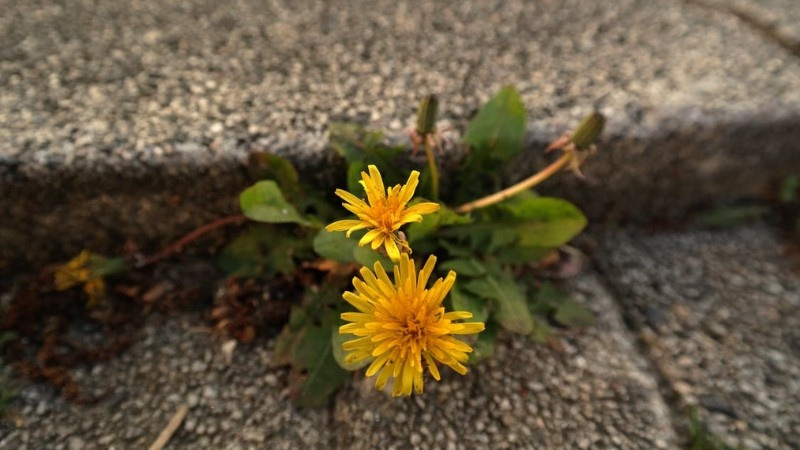
The easiest weed to deal with is the one that never gets established, which is why long-term success is usually less about removing weeds and more about making the gravel less inviting in the first place.
A few simple maintenance habits can make a noticeable difference over time.
- Keeping leaves, grass clippings, and other organic debris off the driveway prevents the gradual buildup of the thin soil layer that weed seeds need to germinate.
- Maintaining clean edges between the lawn and gravel also helps reduce grass creep and limits new weeds from spreading into hardscape areas.
- If sections of gravel have become thin over the years, adding fresh gravel can also help bury accumulated organic material and reduce the number of exposed areas where seeds can establish.
- Most importantly, treating weed pressure early in the growing season is much easier than waiting until the driveway is heavily infested.
Stop Fighting the Same Weeds Every Summer
If you're finding yourself pulling the same weeds from your gravel driveway every year, the problem usually isn't your effort; it's that new weed seeds keep arriving, and the conditions remain favourable for them to establish.
Breaking that cycle requires more than simply removing what's visible today.
At Green Drop, our Vegetation Control service is designed specifically for hardscape areas where weeds become persistent problems. For gravel driveways, rock beds, fire pits, fence lines, and other non-turf areas, our ClearPath™ add-on provides targeted vegetation control that helps manage existing weeds while reducing future regrowth.
Instead of spending weekends pulling the same weeds over and over again, book your vegetation control package today and get ahead of the problem. We proudly provide vegetation control and lawn care services in Calgary, Red Deer, Edmonton, Saskatoon, Winnipeg and Regina, helping you keep both your lawns and hardscape areas looking their best throughout the growing season.