


Why Pilot Butte and White City Lawns Have More Ant Problems
Reading time: 6 minutesWhite City and Pilot Butte are about 20 minutes from Regina, so you’d think that lawn conditions are basically the same.
After all, you're dealing with the same weather, the same summer temperatures, and the same Prairie climate, right?
However, that’s not what’s happening.
The thing is, Regina homeowners are often dealing with heavy clay soils, compaction, and drainage issues. But in White City and Pilot Butte, the soil becomes much sandier, which changes how water moves, how roots grow…and even ants.
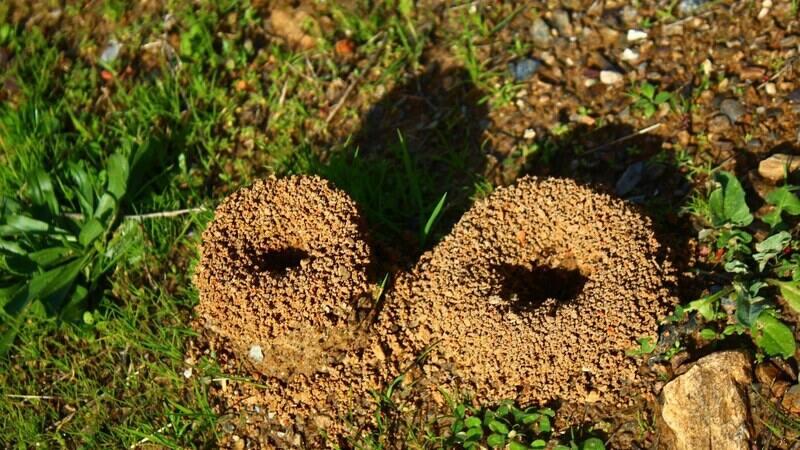
So if you’re east of Regina and have noticed numerous ant hills popping up throughout your lawn in summer, there's a good reason for it.
Let's look at what's really going on.
It All Starts with the Soil
Most lawn problems can be traced back to the soil.
In many areas of Regina, lawns are built on heavy clay soil, which has its challenges:
- It compacts easily.
- Water can drain slowly.
- Roots often struggle to move through dense soil.
- Airflow within the root zone becomes limited.
And while those conditions can create problems for turf, they aren't particularly appealing for many insects that prefer loose, easy-to-work soil.
Move east toward Pilot Butte and White City, however, and the soil profile changes significantly.
Sandy soils typically:
- Drain much faster
- Warm up earlier in the season
- Remain looser around root zones
- Allow easier movement through the soil
Those characteristics create different lawn challenges altogether. Instead of worrying primarily about compaction and poor drainage, you end up dealing with rapid moisture loss, dry spots, and increased ant activity.
Why Sandy Soil Creates the Perfect Home for Ants
Building a colony requires digging extensive underground tunnels and chambers. The easier the soil is to excavate, the easier it is for ants to establish and expand a nest.
So, from an ant's perspective, sandy soil is prime real estate.
Compared to heavy clay, sandy soils offer several advantages:
- Soil particles are easier to move.
- Tunnels are easier to create.
- Water drains away more efficiently.
- The soil warms up quickly during summer.
A colony that might struggle to establish itself in dense clay soil can often expand much more easily in sandy conditions. That's one reason White City and Pilot Butte frequently notice more visible ant activity than other parts of Regina.
The environment simply makes life easier for the insects.
Why Ant Problems Get Worse During Summer
Ant activity tends to increase significantly during the hottest parts of the season, and that's not a coincidence.
As summer progresses, temperatures rise and moisture begins disappearing from the soil much faster. In White City and Pilot Butte, sandy soils naturally drain quickly, which means lawns often lose available moisture sooner than homeowners expect. As a result, the turf starts experiencing stress long before obvious symptoms appear.
At the same time, ant colonies remain active beneath the surface. Warm, dry conditions create an ideal environment for them to expand their underground tunnel systems and establish larger colonies.
That's why a small mound you barely notice in June can become a much more visible problem by July or August. As colonies grow, you’ll start noticing loose soil, more frequent mounds, increased ant activity, and patches of turf that appear thinner or less uniform.
The challenge is that both the lawn and the ants are responding to the same conditions. While the grass is working harder to cope with heat and moisture loss, the ants are thriving. That combination makes ant problems far more noticeable as the summer goes on.
The Real Damage Often Isn't the Ants

Most common lawn ants aren't directly eating your grass. They're not behaving like chinch bugs or sod webworms that actively damage turf.
Instead, the bigger issue is what the presence of ants reveals about the condition of your lawn itself.
When ant activity becomes widespread, it often coincides with:
- dry soil conditions
- thinning turf
- shallow root development
- moisture stress
- weaker overall lawn health
In other words, the ants are taking advantage of conditions that already exist.
A stressed lawn becomes easier for colonies to establish themselves in. And once those colonies are active, the visible mounds create additional challenges.
The loose soil can smother grass blades, interfere with mowing, and create uneven surfaces throughout the lawn. Over time, heavily infested areas can start looking patchy and inconsistent compared to the rest of the yard.
Why the Same Lawns Keep Developing Ant Problems
You remove the ant hills. The lawn improves. Everything looks better.
Then the following summer, the ants return. That’s because the conditions that attracted them never changed.
The soil is still sandy.
The lawn may still be drying out quickly.
Root systems may still be struggling with moisture retention.
Turf density may still be thinner than it should be.
It’s almost too easy to get rid of the visible ant hills temporarily, but the environment remains highly attractive for future colonies.
That's why treating the symptom without addressing overall lawn health often leads to recurring problems.
What Helps Reduce Ant Activity Long-Term

The reality is that you can't change the soil type your property was built on. Pilot Butte and White City lawns will always be sandier than lawns in Regina's heavier clay soils.
What you can do is improve how the lawn performs within those conditions.
A healthier lawn tends to be more resilient overall, which starts with supporting stronger root systems and improving turf density.
Here’s what you can do:
- Proper fertilization to encourage consistent growth and stronger turf. Well-fed grass develops more vigorously, recovers faster from stress, and is better able to maintain the density needed to withstand challenging growing conditions.
- Overseed thin areas before they become larger weak spots. Sparse turf leaves more exposed soil and creates opportunities for both stress and insect activity to become more noticeable over time.
- Practice deep, consistent watering. Sandy soils drain quickly, so encouraging deeper root growth is critical. Stronger roots help the lawn access moisture lower in the soil profile during hot, dry periods.
- Improve soil performance with treatments like SoilBooster™. Enhancing nutrient availability and overall growing conditions helps turf make better use of water and fertilizer throughout the season.
- Maintain thick, healthy turf coverage. Dense grass naturally shades the soil surface, slows moisture loss, and helps create a more stable growing environment during summer heat.
- Address lawn stress early in the season. Small issues such as thinning areas, drought stress, or winter damage are easier to correct before they develop into larger weaknesses later in summer.
This is not simply about dealing with ant hills, you want to create a lawn that's better equipped to handle the environmental conditions that contribute to recurring problems in the first place.
Different Soil Requires a Different Lawn Care Strategy
The soil beneath your lawn plays a huge role in determining what challenges you're likely to face.
In Regina, that often means dealing with compaction and drainage. In Pilot Butte and White City, it often means managing moisture loss, turf stress, and increased ant activity in sandy soils.
As a local lawn care company, we know Regina and its surrounding areas.
If you'd like to learn more about lawn challenges throughout the Regina area, check out our guide on Common Lawn Problems in Regina.
And if recurring ant activity is becoming a problem on your property, we're here to help.
Book your lawn care package in Regina today and give your lawn the support it needs to thrive, whether you're in Regina, White City, or Pilot Butte.