


Common Lawn Problems in Red Deer (And How to Fix Them)
Reading time: 5 - minutesDid your Red Deer lawn start off looking fine in spring? The grass was green, growing and everything felt on track?
Then somewhere between late spring and early summer…things shifted.
Patches show up, colour becomes uneven, and weeds start creeping.
Lawns in Red Deer struggle for specific reasons. Once you understand what’s causing these issues, the fixes become a lot more straightforward.
We spoke with our Red Deer GreenKeepers and here’s what they had to say about the most common lawn issues they see with residents.

Most Common Lawn Problems We Encounter in Red Deer
1. The Red Deer Factor
Geographically, Red Deer sits in a bit of a sweet spot between Edmonton and Calgary. Lawns here often benefit from more consistent moisture, which is great for grass.
Spring rains, moderate temperatures, and periods of humidity mean grass can grow steadily. The problem is, these same conditions also support fungal disease, weed germination, and excess surface growth.
Lawns don’t dry out as quickly, especially overnight. That means moisture tends to linger on the surface longer than it should.
On paper, this doesn’t sound that bad. In practice, it creates imbalance. Your lawn looks lush and green, but is actually thin, weak, and vulnerable underneath.
So it’s important to understand that it’s not a lack of growth that is plaguing your lawn in Red Deer. It’s the unbalanced growth, weeds and disease that are the issue.
2. Red Thread Is A Common Lawn Disease in Red Deer
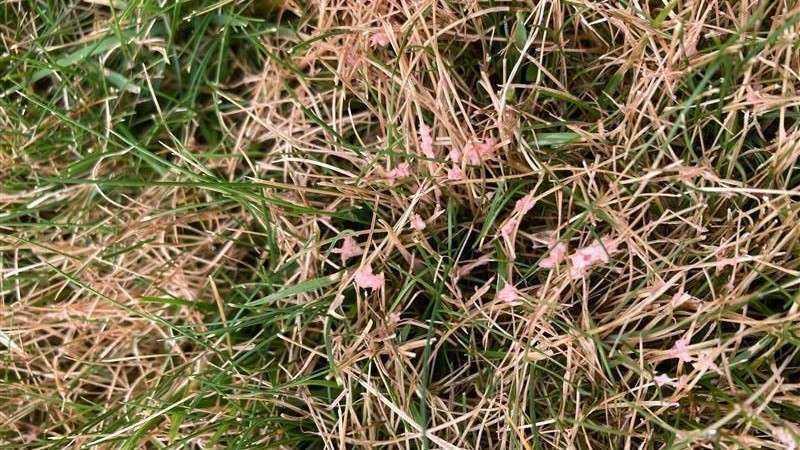
If you’ve noticed pinkish or reddish strands on your grass, especially in spring or early summer, you’re likely dealing with Red Thread.
It tends to show up when conditions are cool, moist, and low in nitrogen.
You’ll often see faded patches where the grass looks thin or slightly discoloured. In the morning, when there’s dew, those reddish threads are easier to spot.
It looks serious, but in most cases, it’s not. Red Thread doesn’t usually kill the lawn. It targets the blades, not the roots.
What it does indicate is that the grass is struggling to grow strong enough to outpace the disease. The fix isn’t aggressive treatment. It’s support. Once the lawn receives proper fertilization and growth picks up, it typically grows out of the issue on its own.
3. Broadleaf Weeds Spread Faster Than You Think
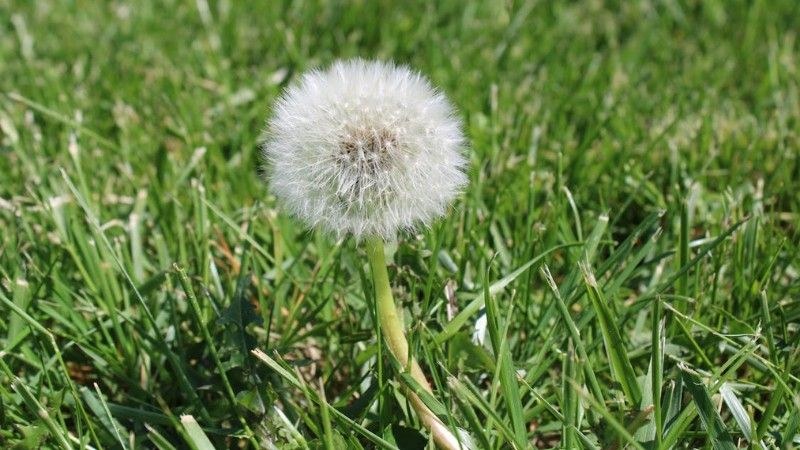
Weeds don’t need much of an invitation in Red Deer. The steady moisture and moderate temperatures are enough for weeds to germinate and establish quickly.
You’ll commonly see weeds like dandelions, clover, and plantain moving into thin spots. They’re simply taking advantage of open space. And once they establish, they begin competing for water, nutrients and sunlight.
That makes it harder for grass to recover, which gives weeds even more room to spread…and that wretched loop continues.
This is why weed control works best when it’s paired with improving turf density. Remove the space, and you reduce the opportunity.
4. Many Homeowners Aren’t Mowing Right
Cutting your grass too short might seem like a way to reduce how often you have to mow, but it usually does the opposite of what you want.
Short grass has less leaf surface, which means less energy production. It also exposes the soil more directly to sun and moisture fluctuations. In a place like Red Deer, where moisture already lingers, this creates instability. The lawn swings between staying too damp at the surface and drying out too quickly underneath.
The lawn becomes more vulnerable to disease, weeds and uneven growth.
For most lawns in Red Deer, a mowing height of 2.5 to 3 inches is ideal. This height helps the grass retain moisture more evenly while still allowing proper airflow through the canopy.
Keeping your lawn slightly taller shades the soil, supports deeper root growth, and reduces the chances of thin spots developing. It also helps the lawn recover more consistently after mowing, instead of constantly trying to rebuild from stress.
So, How Do You Fix These Lawn Problems?
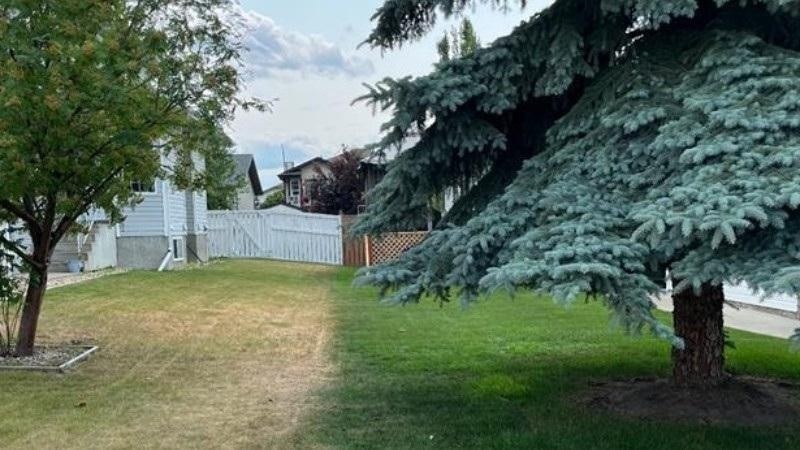
The goal isn’t to throw everything at the lawn at once. It’s to bring things back into balance.
That usually means:
- Strengthening growth with proper fertilization. Consistent feeding helps the lawn grow thicker and recover from stress, rather than just greening up temporarily. It also supports the kind of steady growth that helps turf outcompete disease.
- Improving density through overseeding. Filling in thin or weak areas early prevents open soil from becoming a landing spot for weeds. The sooner turf re-establishes, the less room there is for unwanted growth.
- Reducing competition with targeted weed control. Removing broadleaf weeds helps redirect nutrients, water, and sunlight back to the grass, giving it a better chance to thicken naturally.
- Managing soil and thatch so roots can function properly. Improving soil structure allows water and nutrients to move where they’re needed, while reducing excess thatch prevents moisture from getting trapped at the surface.
- Supporting consistent moisture without overwatering. Keeping the lawn evenly hydrated helps avoid stress swings that can trigger both disease and thinning.
When those elements are aligned, the lawn fills in faster, resists disease better, and gives weeds fewer opportunities to move in.
Get Ahead of Your Lawn Problems in Red Deer with Green Drop
A small patch of disease, a thin area, or a few weeds can spread faster here than you might expect, simply because the environmental conditions support it. The upside is that the lawn can recover just as quickly when it’s given the right support.
At Green Drop, our approach is built around that timing. We focus on strengthening the lawn early with proper fertilization, improving soil conditions, and helping turf fill in before problems spread.
If your lawn is starting to show signs of stress, now’s the time to step in. Book your lawn care package in Red Deer and get ahead of the issues.