


How to Care for Your Lawn During a Heatwave
Reading time: 5 minutesWhen a heatwave rolls in, it's amazing how quickly a lush and green lawn starts looking dull and brown.
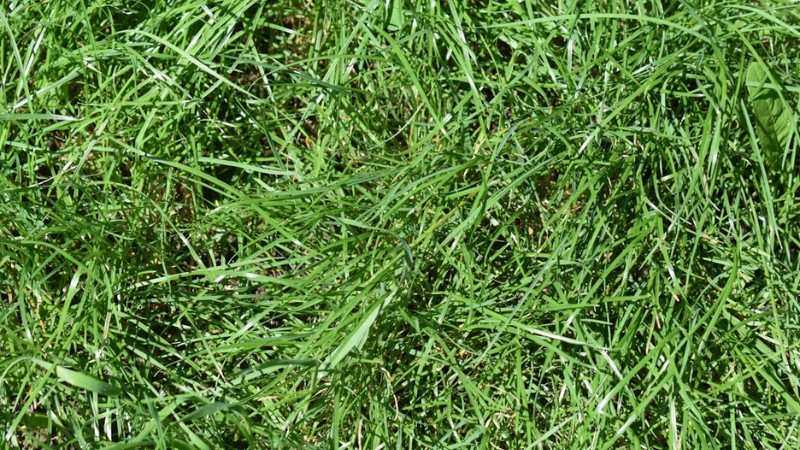
It can quickly go from this….
To this…
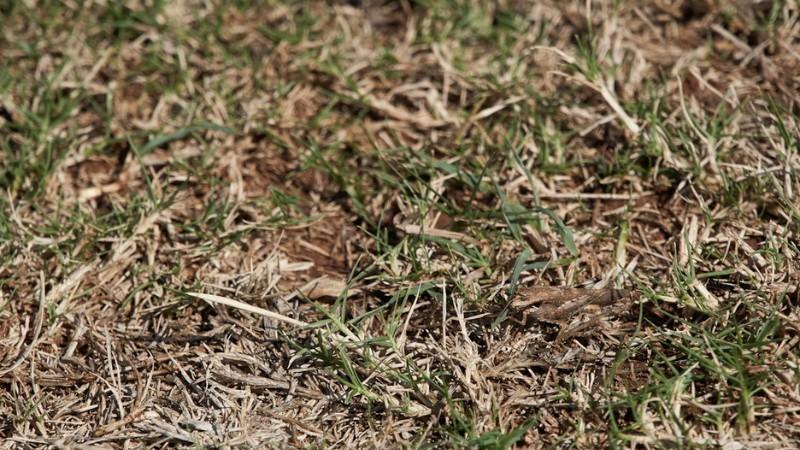
Brown patches, bare and dry.
All the hard work kinda feels like it was for nothing.
During periods of intense heat, grass naturally changes the way it grows to conserve moisture and protect itself.
Understanding those changes and working with it can be the difference.
Your Lawn Is Protecting Itself
One of the biggest misconceptions during a heatwave is that brown grass automatically means dead lawn. In most cases, that's not really true.
Most Prairie lawns have Kentucky bluegrass, which has a built-in survival strategy called dormancy. When temperatures are high and moisture is limited, the grass slows its growth and conserves energy instead of trying to stay lush and green.
A dormant lawn often develops a more uniform straw-coloured appearance across larger areas. Once temperatures cool and moisture becomes available again, healthy turf will recover well with the right help.
Real damage tends to look a little different.
Dormant Lawn | Damaged Lawn |
Uniform straw-coloured appearance | Patchy or irregular brown areas |
Most of the lawn changes colour evenly | Damage appears in isolated sections |
Recovers when cooler weather returns | Continues declining or thinning |
Grass remains firmly rooted | Turf may begin thinning or dying |
Here’s what to do during the heatwave:
1. Water Deeply, Not Daily
One of the biggest and most common mistakes is watering too often during a heatwave. The thinking seems logical on the surface, unfortunately, daily light watering usually creates the opposite result.
When only the top layer of soil gets wet, grass roots stay close to the surface because that's where the moisture is. Those shallow roots dry out quickly the next afternoon, leaving the lawn even more dependent on frequent watering.
Instead, focus on watering deeply and less often. A good target is about 2.5 cm (1 inch) of water per watering session, applied two to three times per week, depending on weather conditions and any local watering restrictions.
Deep watering encourages roots to grow farther into the soil where moisture remains available longer. That creates a lawn that's naturally more resilient during periods of heat and drought.
Timing matters just as much as frequency. Whenever possible, water early in the morning. Cooler temperatures and lower winds allow more water to soak into the soil before evaporation becomes a factor. By the middle of the afternoon, a surprising amount of water can disappear before it ever reaches the root zone.
2. Raise that Mower Blade
Heatwaves are the worst possible time to mow your lawn. A big misconception born out of logic again is that shorter grass will use less water. And again, the opposite is usually true.
Longer grass acts like natural shade for the soil beneath it. It helps reduce evaporation, keeps soil temperatures lower, and protects the crown of the plant from intense afternoon sun.
During periods of extreme heat, raising your mowing height can make a noticeable difference in how well the lawn retains moisture.
It's also important to follow the one-third rule. Never remove more than one-third of the grass blade during a single mowing.
Taking off too much at once forces the lawn to spend valuable energy replacing leaf tissue instead of maintaining healthy roots. During a heatwave, that's energy the plant simply can't afford to waste.
3. Build Heat Resilience Before the Next Heatwave
One thing we've learned over the years is that the healthiest lawns don't suddenly become resilient when temperatures hit 30°C+. That resilience is built long before the heat arrives.
Strong root systems, healthy soil, and consistent turf density all help a lawn cope with extended periods of heat and drought far better than a lawn that's already under stress.
That's why prevention matters.
At Green Drop, our Drought Fighter® treatment is designed to strengthen the lawn before summer's toughest conditions arrive. Applied ahead of peak heat, it delivers root-level micronutrients that help improve drought tolerance while also making the lawn less susceptible to stress-related lawn diseases.
Combined with proper watering, mowing, and healthy soil, it becomes part of a much bigger strategy for building a more resilient lawn.
4. What NOT to Do During a Heatwave
Sometimes protecting your lawn is less about what you should do and more about what you should avoid. The goal during a heatwave is reducing unnecessary stress while giving the lawn the best chance to recover.
Here’s what not to do:
- Don't fertilize a severely stressed lawn. Fertilizer supports active growth, but grass that's struggling through extreme heat is focused on survival, not growth. Wait until the lawn begins actively growing again.
- Don't mow during the hottest part of the day. Freshly cut grass is already under stress. Mowing during peak afternoon heat only increases moisture loss.
- Don't assume every brown lawn needs rescuing immediately. A dormant lawn often recovers naturally once temperatures moderate and moisture conditions improve.
Heatwaves Don't Last Forever, But Healthy Lawns Do
Alt text: Green Drop’s lawn care services
Heatwaves are part of life in Western Canada, especially the Prairies, and lawns have learned to live with them.
The key is watering deeply instead of frequently, keeping the grass a little taller, resisting the urge to force stressed turf to stay green, and focusing on building stronger roots before the next stretch of hot weather arrives.
A healthy lawn won't stop a heatwave. But it will recover from one much faster.
If you're looking to help your lawn handle tough summer conditions, Green Drop combines fertilization, weed control, aeration, overseeding, SoilBooster™, and our Drought Fighter® treatment to build healthier, more resilient turf from the roots up.
Book your lawn care package today and give your lawn the support it needs before the next heatwave arrives.