


Chinch Bug Season in Calgary: Which Neighbourhoods Are Most at Risk?
Reading time: 4 minutesChinch bug season doesn't hit every Calgary lawn the same way.
Some yards make it through July and August without a scratch. Others that are just a few blocks away end up covered in dead, straw-coloured patches almost overnight. The difference usually comes down to where you live.
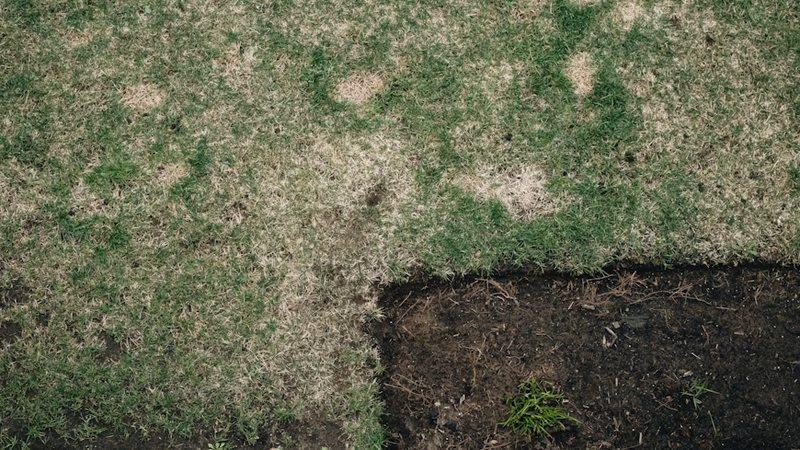
When you see brown patches, you want to confirm if it’s being caused by bugs or fungus.
More importantly, you want to get ahead of the problem.
In this blog, we take a look at which Calgary communities are seeing the heaviest chinch bug pressure this season, and why.
Why Some Neighbourhoods Get Hit Harder Than Others
Chinch bugs aren't random. They target lawns with three things in common:
- Full sun exposure
- Compacted or fast-draining soil
- Heat-trapping south or west-facing slopes
Add in young turf with shallow root systems, and you've got the perfect setup for an infestation to take hold and spread fast. That's exactly why certain pockets of the city have become the epicentre of chinch bug activity this season.
In the past, chinch bug activity was usually concentrated in the southeast communities of Calgary, but there has been a spread towards the southwest and northwest communities recently.
South East Calgary Hotspots
Mahogany, Auburn Bay, Cranston are all lake communities in the southeast that share a few risk factors, making them especially attractive to chinch bugs. Many properties here are relatively new, with turf that hasn't had time to build the deep root systems and organic soil layer that help older lawns resist stress.
Open, sun-exposed front yards with minimal tree cover bake through Calgary's hot summer afternoons. And in areas like Cranston's ridge, sandy, well-drained soil dries out quickly. This leaves grass thirsty, stressed, which is exactly the kind of environment chinch bugs thrive in.
These communities have been reporting damage showing up after Calgary's recent heat stretches, with clear lines forming between healthy green grass and dead, straw-coloured patches.
South West & North West Hotspots
On the other side of the city, elevated communities like Signal Hill, Tuscany, and Rocky Ridge face a different but equally serious version of the same problem. These neighbourhoods sit on exposed, west-facing slopes that catch direct afternoon sun and hold onto heat well into the evening.
Wind exposure, due to the elevation, pulls moisture out of lawns faster than in more sheltered parts of the city, leaving turf dry and stressed even when homeowners are watering regularly.
In the older, more established pockets of these communities, thatch buildup adds another layer of risk. That spongy layer of dead grass and organic matter sitting at the soil surface is essentially a shelter for chinch bugs, letting them survive and multiply undisturbed close to the soil line while remaining invisible until the damage is already done.
What to Do If You're in One of These Areas
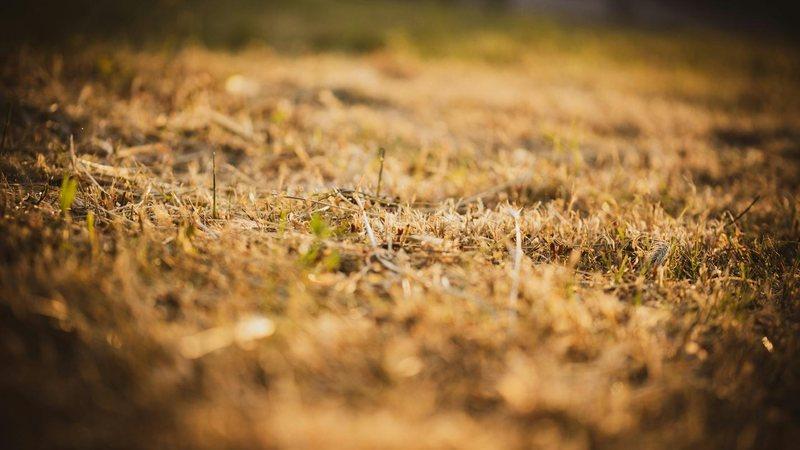
If your home is in any of the affected areas, or a similar sun-exposed community, the smartest move is to start checking your lawn now, before you see widespread damage.
Focus on the edges near driveways, sidewalks, and other heat-reflective surfaces since these spots tend to show stress first.
Early-stage nymphs are much easier to control than mature chinch bugs, so catching the problem in its early stages can save you from a much bigger repair job later in the season.
For a full breakdown of how to spot, treat, and repair chinch bug damage once it appears, check out our guide on chinch bug damage in Calgary lawns.
Protect Your Calgary Lawn Before Chinch Bugs Do the Damage
Calgary's chinch bug problem isn’t going anywhere this season, and lawns in high-risk communities are especially vulnerable to fast-spreading damage.
Stop the problem before it starts, and protect your Calgary lawn against chinch bug infestation with our Lawn Insect Defender package. It's built specifically to protect at-risk lawns, giving your turf a proactive layer of defence instead of leaving you to react once the damage is already visible.