


Salt, Snow Piles & Plows: The Winter Damage You Won’t See Until Spring
Reading time: 6 - minutesAll winter long, your grass sits dormant under layers of snow. You don’t see what’s happening underneath. But snow clearing, salt use, and months of pressure take a toll, quietly affecting the soil, the roots, and the overall strength of your turf.
Then March arrives, and as the snow melts away, you notice the straw-coloured strips along sidewalks, dead grass near the road, and ruts where snow was piled. Some areas recover quickly, while others lag behind, looking thin or uneven.
It can feel sudden. But the winter stress has been building for months, and this is when your lawn finally starts calling out for help.
TL;DR
|
What Winter Clearing Really Does to Your Lawn
1. Salt Burn Along Sidewalks & Driveways
In Western Canada, salt is part of winter survival. It keeps roads and sidewalks safer. But when that salt dissolves and runs off into your lawn, it can change the soil chemistry.
Salt pulls moisture away from grass roots. It also interferes with nutrient uptake, making it harder for turf to recover once spring warmth arrives.
That’s why you’ll often see:
- Yellow or brown strips along concrete edges
- Patchy thinning near driveways
- Grass that looks dried out even after snowmelt
Having said this, salt damage is usually surface-level and improves once the soil is flushed and nutrients are restored.
2. Snow Piles That Sit Too Long
Your driveway snow was being piled onto one section of your lawn all winter. Those heavy piles sit there through the months, creating dense, oxygen-starved zones underneath.
The weight compresses grass. The slow melt delays sunlight exposure. Ice layers can form, cutting off airflow entirely.
When that pile finally disappears, here’s what’s left behind:
- Matted grass
- Thin or bare spots
- Delayed green-up
- Patchy colour
This isn’t permanent damage, but your grass needs extra support to rebound.
3. Plow Gouges & Mechanical Stress
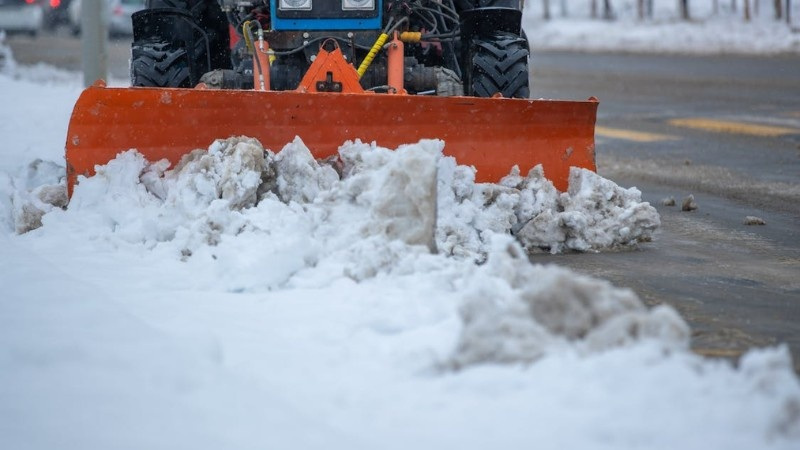
Unfortunately, our municipal plows and residential snow clearing aren’t always the most effective with their manoeuvring. They don’t always stop neatly at the curb, which means damage to your property.
Over winter, you’re most likely going to see:
- Torn edges along boulevards
- Gravel pushed into turf
- Tire compression marks
- Uneven grading near sidewalks
The damage isn’t always obvious, but the stress put by plows disrupts the soil surface and can weaken turf structure. Without repair, those areas often struggle to fill back in evenly.
Compacted Snow Means Compacted Soil
Even if you didn’t have major salt exposure or plow gouging, months of snow weight compress the soil beneath. Compacted soil has fewer air pockets. So, roots struggle to expand, water doesn’t move as freely and growth slows.
In spring, this shows up as:
- Water pooling after rain
- Slower green-up
- Thin patches that lag behind
You need to loosen soil to improve oxygen flow, nutrient absorption, and root development.
Why You Don’t See the Damage Until March
During winter, grass is dormant. It isn’t actively growing or signalling distress. So, the damage accumulates quietly.
When spring warmth arrives, your lawn tries to wake up. That’s when weak spots become visible. Healthy areas green up quickly, while the stressed zones lag behind.
It can feel like your lawn suddenly declined, while in reality, spring just reveals what winter left behind.
The Smart Way to Help Your Lawn Recover From Winter Damage
A strong Spring recovery plan typically includes:
Aeration
If your lawn feels hard underfoot or water pools after snowmelt, compaction is likely part of the problem. Months of snow weight, especially where piles sat, press soil particles tightly together. That reduces oxygen flow and restricts root growth.
Core aeration removes small plugs of soil, creating channels for air, water, and nutrients to move more freely. This immediately improves root access to oxygen and allows moisture to penetrate deeper instead of running off the surface. In areas exposed to salt runoff or heavy plow activity, aeration also helps flush excess salts downward through the soil profile.
After aeration, not only does your yard start greening-up, but you’ll have stronger root development heading into summer.
Spring Fertilizer

Grass coming out of winter dormancy is low on energy. It has survived months without active growth and needs nutrients to rebuild carbohydrate reserves and push new blades upward.
A properly balanced spring fertilizer supplies nitrogen for visible green growth, along with phosphorus and potassium to support root recovery and stress tolerance. This is especially important in areas affected by salt exposure, where nutrient uptake may have been disrupted.
Feeding early helps the lawn green up evenly rather than in patches, and it strengthens turf density so thin zones fill in faster.
SoilBooster™
Salt runoff, heavy snow piles, and months of excess moisture can disrupt soil structure and reduce biological activity in the root zone. When that happens, grass struggles to absorb nutrients properly, even if fertilizer is applied.
That’s where soil amendments like SoilBooster™ come in. It contains 70+ minerals and nutrients, and rather than simply feeding the grass blades, it works at the root level by enhancing soil structure and supporting beneficial microbial activity. Healthier soil drains better, resists compaction more effectively, and allows roots to access nutrients and moisture more consistently.
In areas affected by salt exposure, improving soil condition is especially important. Compacted or chemically stressed soil can restrict root development and slow recovery. By strengthening the soil environment, you create better conditions for fertilizer to work efficiently and for overseeded areas to establish more successfully.
Overseeding (if needed)
If snow piles or plows leave visible thinning or bare strips, overseeding fills those gaps before weeds take advantage of exposed soil. Fresh seed establishes best in early spring conditions, when moisture is consistent and temperatures are moderate.
Choosing the right seed blend matters here. Cool-season grasses respond well to early-season overseeding because soil temperatures support steady germination without the stress of summer heat.
By combining overseeding with aeration and proper feeding, new grass integrates seamlessly with existing turf. This restores density and uniform colour rather than leaving visible repair lines, while strengthening the lawn’s overall ability to crowd out weeds and withstand summer stress.
Book Your Lawn Care This March
March is when winter damage becomes visible, and this is when smart recovery must begin. By the time April rolls around, weeds are already looking for weak turf to move into.
Booking your lawn care package now means your yard gets some TLC at the right time. Green Drop understands the importance of spring lawn care and restoring your grass after winter stress. With our SoilBooster™, spring fertilizer applications, and aeration tailored to your lawn’s condition, we help your grass recover evenly and grow stronger through the season.
We offer complete lawn care services across Calgary, Red Deer, Edmonton, Saskatoon, Winnipeg and Regina.