


When Is The Best Time of the Year To Hire A Lawn Care Professional?
Reading time: 5 - minutesWe hear the same story hundreds of times every year.
In March, your lawn may still have some snow.
In April, you’re optimistic.
By May, you’re noticing a few weeds.
And by June, you’re standing in your yard thinking, “Okay… maybe I should’ve called someone.”

You’re never sure when the best time to hire a lawn care professional is. Let us tell you, it isn’t when something in your yard starts looking wrong. It’s almost always before the season even starts.
In Western Canada, timing matters. Waiting until you see a problem usually means you’re reacting. Hiring early means you’re preventing. And prevention almost always wins.
Book in Early Spring
If you want the simplest version, here it is:
- Book in March
- Start treatments in early spring (April–May)
Lawn care isn’t about quick fixes. It’s about setting momentum.
When you book in March, you’re looking to revive your lawn after winter and locking in:
- Early-season fertilization
- Lawn assessment before problems escalate
- A structured plan instead of random treatments
- A spot on the schedule before routes fill up
By the time May rolls around, early-booked lawns are already on track. The ones that wait are playing catch-up.
Why Hiring Early Makes a Difference
1. You Get Ahead of Weeds Instead of Chasing Them
Weeds don’t wait for you to make a decision. As soil temperatures rise in spring, weed seeds start germinating fast. Once they establish, removing them becomes more complicated and more visible.
A thick, well-fed lawn is your best defence. Early fertilization encourages turf density, which naturally crowds out weeds before they take hold.
Hiring early means your lawn is strengthening while weeds are just getting started.
2. Spring Fertilization Sets the Tone for the Entire Season
The first application of the season does more than green things up. It helps wake up root systems, encourage even growth, support recovery from winter stress, and build resilience before summer heat hits.
In Western Canada, lawns deal with winter kill, freeze–thaw cycles, and compacted soils. Early-season nutrition helps grass recover before June humidity and July heat add pressure.
It’s much easier to maintain a strong lawn than to revive a struggling one.
3. You Avoid the “Mid-May Rush”
Here’s something most homeowners don’t think about, but lawn care companies book up quickly.
Your neighbour’s lawn that looks incredible in May, chances are they booked in March. Prime scheduling windows fill quickly, especially for annual packages and add-ons like aeration and overseeding.
Hiring early gives you:
- Better route availability
- More flexible scheduling
- Time to plan upgrades like aeration or soil enhancement
Waiting until late spring doesn’t mean you can’t get service, but your options may be narrower.
4. You Get a Proper Lawn Assessment
When you hire early in the season, you’re not just booking treatments. You’re giving your lawn time to be evaluated properly.
Early spring is when winter damage becomes visible. Thin areas, compaction, snow mould stress, and drainage issues all start to show themselves once the snow melts. Booking in March or early April allows for a structured assessment before growth kicks into high gear.
When you wait until late May or June, treatments often become reactive. You’re treating symptoms instead of building a strategy.
Hiring early shifts the focus from “How do we fix this?” to “How do we prevent it from happening again?”
What Happens If You Wait Until May or June?

Nothing catastrophic. But nothing optimal either.
By May or June:
- Weeds may already be established
- Thin areas from winter kill become more obvious
- Compacted soil hasn’t been addressed
- Early disease conditions may begin forming
Regina and other prairie regions can have hot, dry days followed by damp, humid nights, which creates ideal conditions for disease development. If your lawn is already weakened by winter stress and delayed feeding, those conditions hit harder. At that point, you’re managing stress instead of preventing it.
The Ideal Lawn Care Timeline in Western Canada
Here’s how the season ideally flows.
Late Winter (February–March)
- Book your annual lawn care package
- Schedule a spring assessment
- Plan add-ons like aeration and overseeding
Early Spring (April–May)
- First fertilizer application
- Lawn evaluation
- Light clean-up and recovery support
Late Spring (May–June)
- Overseeding if needed
- SoilBooster™ applications
- Disease monitoring as humidity rises
When you start early, everything builds naturally. When you start late, you compress the entire recovery window.
When Should You Add Aeration and Overseeding?
Not every lawn needs it every year, but many Western Canadian lawns benefit from aeration and overseeding more often than you realize.
You should consider these add-ons if:
- Your lawn thins out every summer: If your turf looks decent in May but struggles by July, that’s often a density issue. Thin grass heats up faster, loses moisture more quickly, and leaves space for weeds to settle in.
- You’ve had visible winter kill: Bare or weak patches from ice, freeze–thaw cycles, or snow pile damage won’t repair themselves. Overseeding helps re-establish those areas before weeds take over.
- Soil feels dense or hard underfoot: Compacted soil restricts oxygen, water, and nutrient movement. If your lawn feels like packed clay instead of soft turf, roots are likely struggling below the surface.
- Water pools instead of absorbing: Slow drainage is a sign the soil structure needs relief. Aeration improves infiltration so water actually reaches the root zone.
- You notice patchy growth year after year: Recurring problem spots often signal compaction or thinning, not just “bad luck.”
Core aeration relieves compaction and improves oxygen flow. Overseeding thickens turf and fills weak spots before weeds can move in. The key is planning early enough in the season to give new seed time to establish before summer stress hits.
Signs You Shouldn’t Wait Another Season
If you’ve said any of these before, early booking is probably your move:
“It looks fine now, but it gets bad by July.”
“I fight the same thin patch every year.”
“The weeds always seem to win.”
“I fertilize when I remember.”
Consistency beats guesswork. And a structured, season-long approach is more effective than one or two scattered treatments.
Is It Ever Too Late to Hire?
No, but it does change expectations. Starting mid-season can still improve turf health. You can still reduce weeds. You can still strengthen soil.
But the earlier you start, the more proactive the strategy becomes and the faster you see results.
Lawn care is about momentum. Early booking creates that momentum.
You Don’t Have to Overthink Lawn Care
Hiring a lawn care professional isn’t about surrendering your yard. It’s about making your life easier.
You don’t have to:
- Guess fertilizer timing
- Worry about disease patterns
- Watch soil temperatures
- Wonder why one section always struggles
You get a plan. You get structure. And you get ahead of the season instead of scrambling mid-summer.
Ready to Get Ahead of the Season?
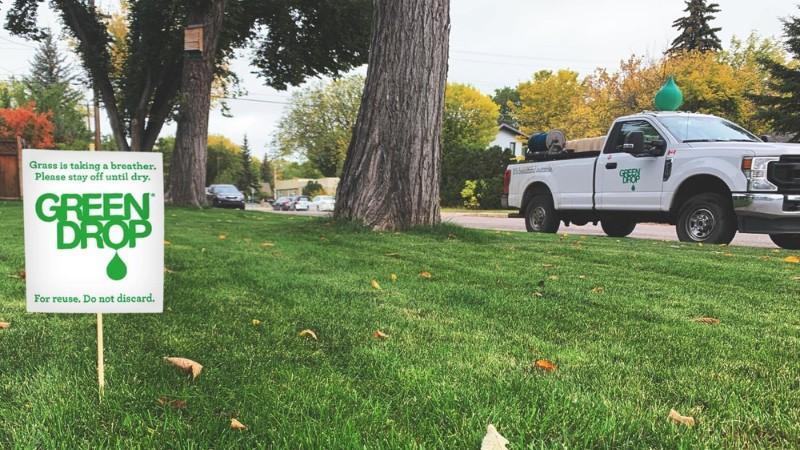
If you’re thinking about hiring a lawn care professional this year, the best time to act is before your lawn starts asking for help.
We provide lawn care services across Calgary, Red Deer, Edmonton, Saskatoon, Winnipeg and Regina.
Booking in March gives you the best chance to start strong in April. It also gives you the flexibility to add services like aeration, overseeding, or SoilBooster™ as part of a comprehensive seasonal plan.