


Winter Kill in Regina & How Can You Fix It?
Reading time: 5 - minutesEvery spring in Regina, when the sun comes out and the snow melts, your lawn looks rough, patchy, grey and maybe even dead.
It’s frustrating.
You did nothing wrong. You didn’t ignore your lawn, and yet, it just looks… bad.
Before you assume the worst, take a breath.
Winter kill is common here. Regina winters aren’t gentle, and most lawns take at least some kind of hit. And in most cases, it’s fixable.
What Is Winter Kill, Exactly?
Winter kill isn’t one specific lawn disease or condition. It’s a general term for grass that dies over winter due to stress.
That stress usually comes from a mix of:
- Ice sheets forming over turf: When melting snow refreezes, it creates a solid layer of ice that blocks oxygen from reaching the grass. Without oxygen exchange, carbon dioxide builds up beneath the surface, weakening or killing the crown of the plant.
- Repeated freeze–thaw cycles: Regina often sees temperature swings that cause turf to expand and contract. This can rupture plant cells or push roots upward (a process called heaving), leaving grass vulnerable.
- Dry prairie winds (winter desiccation): Even in freezing weather, wind pulls moisture from exposed grass crowns, especially where snow cover is thin.
- Snow mould forming under long snow cover: Prolonged moisture trapped beneath snow creates ideal fungal conditions.
It’s rarely just one factor. Regina winters swing between deep cold, sudden warm-ups, wind exposure, and heavy snowfalls. Your lawn has to survive all of it. When it doesn’t, you see the results in April and May.
Why Winter Kill Is Common in Regina
Regina’s climate is tough on turf. Here’s why.
1. Freeze–Thaw Cycles
Even in a cold prairie winter, we get temperature swings. Snow melts slightly during the day, then refreezes overnight.
That constant expansion and contraction damages turf cells. As water inside the plant freezes, it expands. When it thaws and refreezes repeatedly, the cell walls can rupture. In severe cases, grass crowns split or lift slightly out of the soil, a process known as heaving. Once the crown dies, that plant doesn’t come back.
2. Ice Sheeting After Snow
When snow partially melts and refreezes, it forms solid ice sheets. These block oxygen from reaching the grass.
Under prolonged ice cover, carbon dioxide builds up, and oxygen levels drop. Grass essentially suffocates. The longer the ice remains, the more likely the turf underneath weakens or dies. Areas near driveways and sidewalks, where melting and refreezing are common, are especially vulnerable.
3. Winter Desiccation
Regina’s dry prairie winds can strip moisture from exposed turf. If snow cover is thin or inconsistent, grass crowns dry out, even in freezing temperatures.
This is especially common on elevated or south-facing lawns where snow melts faster. Without consistent snow insulation, the grass is exposed to both cold and dehydration.
4. Snow Pile and Compaction Stress
Driveway windrows and shovelled snow piles linger longer than natural snowfall. These piles compact turf, trap moisture, and concentrate salt. When snow sits heavily in one area for months, it increases the risk of suffocation and spring bare spots.
5. Disease Conditions After Snowmelt
Winter damage doesn’t stop when the snow melts.
Our GreenKeepers start to see diseases like red thread and dollar spot show up mostly in June, when wet weather, thunderstorms, and rising humidity roll through. Last year, we even saw a case of brown patch in June.
Regina often gets hot, dry days followed by wet nights. That combination promotes fungal activity, especially in lawns that were already weakened by winter stress.
What Winter Kill Looks Like (And What It’s Not)
In early spring, it can be hard to tell what’s actually dead and what’s just slow to wake up.
Common signs of winter kill include:
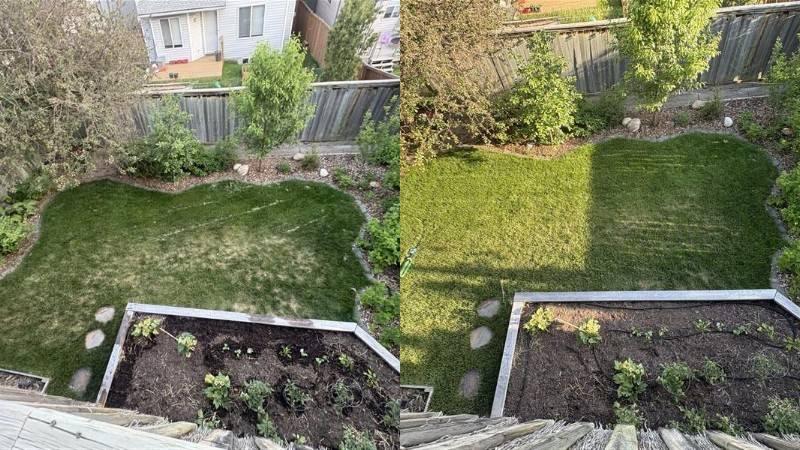
- Straw-coloured or bleached patches
- Matted grass that doesn’t stand up
- Areas near sidewalks or snow piles that don’t green up
- Thin spots that get worse through May
What it’s not:
- Slightly delayed green-up in early April
- Light snow mould that clears with raking
- Temporary discolouration from cold soil
If a patch hasn’t improved by mid-to-late May, that’s usually a sign the grass crown didn’t survive. And that’s when you need to act.
Can Winter-Killed Grass Recover on Its Own?
Sometimes, yes. If the roots survived and the crown is still alive, grass can bounce back with proper feeding and warmer soil temperatures.
But if the crown is dead, meaning the growing point of the plant was damaged, it won’t regenerate. That space needs new seed.
Don’t make the mistake of waiting. By June, weeds begin filling thin areas. Then summer heat hits. Then humidity rolls in. Suddenly, you’re not just fixing winter damage, you’re fighting disease and drought stress too.
How to Fix Winter Kill in Regina
Recovery doesn’t need to be complicated. It needs to be timely.
- Light Raking: Gently rake matted areas to remove dead material and improve airflow. This helps the soil warm up and lets surviving grass breathe. Avoid aggressive dethatching in early spring. The goal is clean-up, not disruption.
- Core Aeration (If Needed): Soils in Regina tend to lean clay-heavy. Combine that with snow compaction and freeze–thaw movement, and you often get dense, compacted turf in spring. Core aeration improves oxygen flow, enhances water infiltration, helps roots re-establish and creates the environment grass needs to recover.
- Overseeding: For true winter kill, where grass has died, overseeding is essential. By adding new seeds you fill bare spots, increase turf density, reduce weed pressure and strengthen overall resilience. Remember, you want to seed in mid-to-late May. This strong establishment before summer heat.
- Targeted Fertilization: A balanced early-season fertilizer encourages root recovery and healthy top growth. Fertilization combined with overseeding is what brings the yard back from visible winter kill.
- SoilBooster™: Stressed lawns often sit on stressed soil. Green Drop’s SoilBooster™ service supports microbial activity and improves nutrient availability, helping weakened turf recover more efficiently. It’s not about forcing fast green-up. It’s about rebuilding strength from the ground up.
What Happens If You Do Nothing?
Once disease season hits, especially during those hot dry days and humid nights, weakened grass struggles. Sometimes lawns partially recover on their own. But often, untreated winter damage leads to:
- Weeds filling thin areas
- Increased susceptibility to disease like red thread and dollar spot in June
- Heat stress worsening already weak turf
- Uneven, patchy growth all summer
Making Sure Your Regina Lawn Recovers
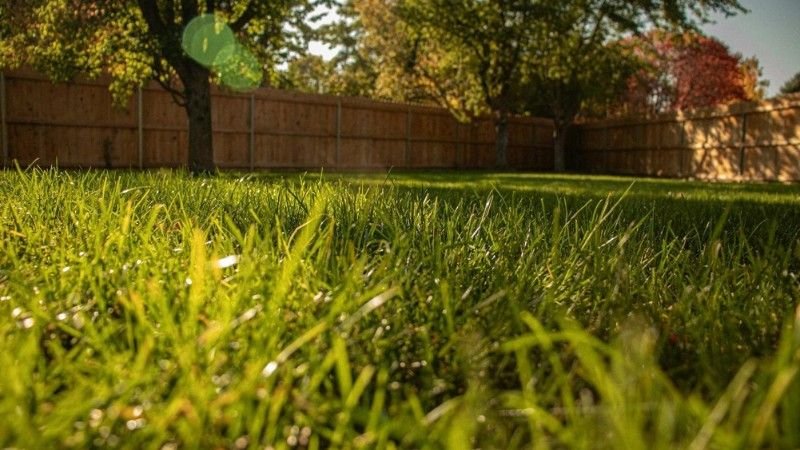
Honestly, winter kill is quite common here, and in most cases, it’s fixable.
We see lawns come back every year with the right combination of early-season fertilization, strategic overseeding, proper soil support and timely intervention before June disease pressure
The biggest difference between lawns that rebound and lawns that struggle is timing.
If your yard looks patchy when the snow melts, don’t wait to see if it “just fixes itself.” Early spring is your window. Book your lawn care package now so everything is ready to go once soil temperatures rise.