


Guide to Pre-Spring Lawn Prep Checklist (The “Green Drop” Way)
Reading time: 5 - minutesLet’s be honest; early spring in our part of Canada can be confusing.
One day it looks like winter’s over. The next day there’s a snowbank eyeing you from the corner of your yard.
Then, the sidewalks reappear. The grass starts peeking through in weird, patchy sections. And you’re wondering: Is it too early to do something?
Here’s the thing most people don’t realize:
By the time your lawn turns fully green, a lot of the season’s success has already been decided.
The healthiest lawns don’t start in May. They start now, while there’s still a chill in the air and the ground is just beginning to thaw.
A little early prep means you’re preventing problems instead of chasing them all summer.
Here’s how we do it…the Green Drop way.
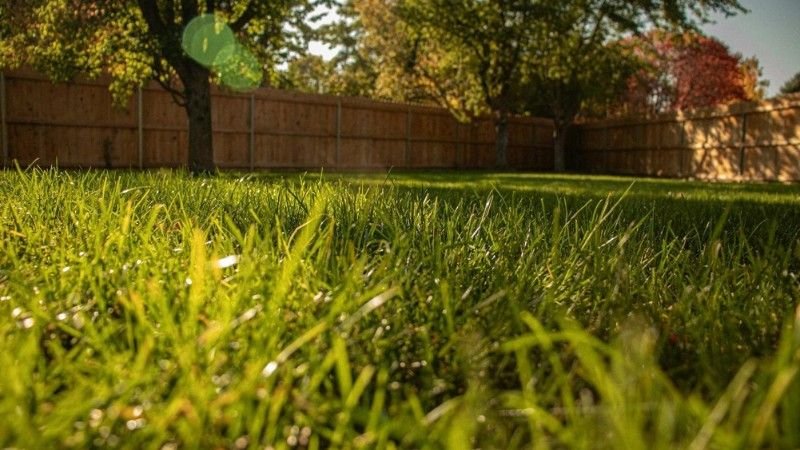
1. Walk the Lawn (Even If It’s Still Patchy)
Before you grab a rake or think about fertilizer, take a slow walk around your yard.
Look for:
- Matted grass from snow cover
- Salt damage near sidewalks and driveways
- Snow mould patches
- Vole runways
- Compacted areas where snow piles sat
- Gravel pushed into turf from plows
Pay attention to patterns, not just spots. Are certain areas consistently thinner year after year? Do edges near concrete struggle more than the rest of the lawn?
Identifying recurring stress zones now helps you adjust fertilization, overseeding, or soil support strategically instead of treating the entire lawn the same way.
You’re not fixing anything yet. You’re taking inventory.
“Spring lawn success really starts with understanding what winter left behind,” says Jamie Brandt. “Every yard tells a story once the snow melts.”
2. Clear Winter Debris
Once the ground firms up and you’re no longer squishing into soft soil, it’s time for a light cleanup.
Remove:
- Fallen branches
- Leaves trapped under snow
- Gravel and debris
- Pet waste
Be careful not to rake aggressively while the soil is still saturated. Early overworking can tear up fragile roots that are just starting to wake up.
This improves airflow and sunlight exposure, which helps turf dry evenly and reduces fungal risk.
3. To Light Rake or Power Rake (That Is the Question)
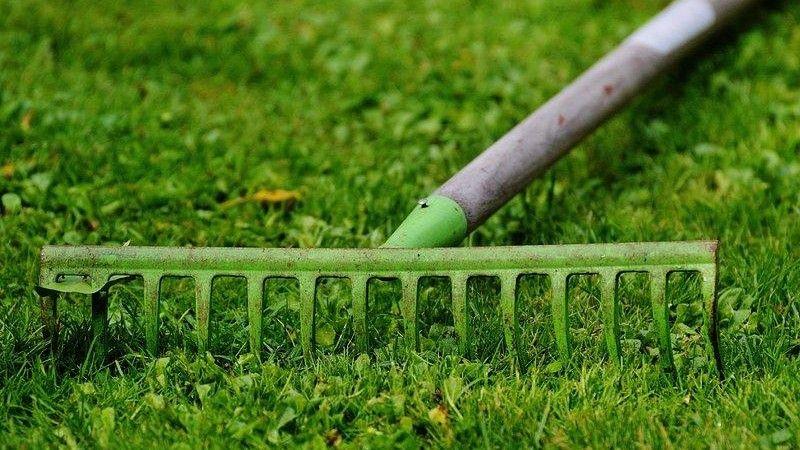
If you notice matted grass or mild thatch buildup, a light rake can fluff things up and allow new growth to come through.
But there’s a difference between light raking and power raking.
- Light raking loosens surface debris and matted grass.
- Power raking removes deeper thatch build-up.
Timing is critical. Power raking too early, while soil is still wet and soft, can cause more damage than benefit.
“People often think more aggressive is better in spring,” says Joesie Erickson. “In reality, timing and restraint are what protect the lawn.”
Power raking is most effective once the lawn has started active growth. Done correctly, it improves airflow and reduces moisture build-up, setting the stage for stronger turf.
4. Service Your Equipment Before You Need It
Your lawn mower shouldn’t be an afterthought once grass is already growing.
Before the first cut make sure you sharpen mower blades, change oil, replace or clean the air filter, inspect fuel lines, and check sprinkler heads for damage.
Dull blades tear grass instead of cutting it cleanly. That increases stress and makes turf more vulnerable to disease in early spring.
Sharp blades promote cleaner cuts, faster recovery, and healthier growth.
It’s a small step that makes a visible difference.
5. Watch Soil Temperature
Spring lawn care isn’t about looking at your calendar and waiting for a specific date. It’s about watching the soil.
In Western Canada, soil temperatures can warm quickly once conditions shift. And two key thresholds matter:
- Around 5–7°C: Weed seeds begin germinating.
- Slightly warmer: Grass begins active growth.
This is where timing fertilizer and weed control becomes critical. Applying too early can reduce effectiveness. Applying too late means weeds have already taken root.
Soil temperature determines the window. That’s why guessing based on “mid-April” or “early May” doesn’t work reliably here. Prairie springs can shift fast.
6. Avoid Early-Spring Lawn Damage
As snow melts, the top layer of soil often thaws before the deeper ground does. That creates a soft, waterlogged surface sitting over frozen or compacted soil below. Walking, parking equipment, or letting kids and pets repeatedly run across that area can cause unnecessary compaction and rutting.
When soil is saturated:
- Roots are more vulnerable to damage
- Air pockets collapse easily
- Compaction increases quickly
- Grass crowns can tear under pressure
- Even mowing too early can create long-term issues.
If the lawn feels spongy or leaves footprints that don’t spring back, it’s not ready for traffic. Giving the turf time to firm up protects the root zone and prevents compaction that can affect growth all season long.
“Spring patience pays off,” says Jamie Brandt. “A week or two of restraint can prevent months of recovery.”
7. Early Overseeding May Have a Role to Play
Winter often leaves behind thin patches due to snow piles, salt runoff, vole activity, among other things. Early spring overseeding can help fill those gaps before weeds take advantage of exposed soil.
Dense turf is one of the strongest natural defences against weed invasion. The earlier you strengthen thin areas, the less reactive you’ll need to be later in the season.
Overseeding works best when coordinated properly with fertilization and weed prevention timing. Done thoughtfully, it integrates seamlessly into the lawn rather than creating visible patchwork.
8. Improve Soil Before Peak Growth
Winter is hard on soil, not just grass. Months of snow weight, moisture fluctuations, and salt exposure can compact soil and disrupt microbial activity in the root zone.
Compacted soil restricts:
- Oxygen flow
- Water infiltration
- Root expansion
Improving soil structure early in the season makes everything else work better.
SoilBooster™ treatments support healthier soil biology and structure, helping grass roots access nutrients more efficiently. Healthier soil supports thicker, more resilient turf through summer stress.
9. Weed Prevention Starts Before You See Weeds
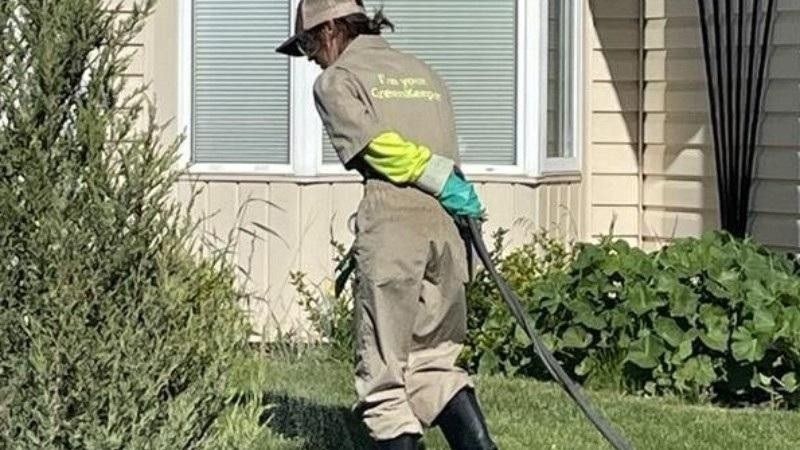
If you can see weeds, prevention is already off the table.
Pre-emergent weed control works by stopping germinated seeds from establishing roots. It must be applied before weed seeds sprout. That timing window often opens earlier than people expect.
Waiting until dandelions bloom means you’re managing weeds, not preventing them.
Stopping weeds before they start growing reduces competition for resources through the season. It also supports turf density because nutrients go to grass growth, not competition.
This matters because every weed that successfully establishes competes for moisture, nutrients, and sunlight. Even small annual weeds can thin turf early in the season, creating weak spots that invite more invasion. Bare soil doesn’t stay bare for long.
Prevention also reduces the need for repeated spot treatments later in spring. Fewer weeds mean fewer disruptions to the lawn and a more even, consistent green-up. When weed pressure is lower from the start, your grass can thicken naturally, and thick turf is the best ongoing defense you have.
The Early Bird Gets the Turf
Spring doesn’t just wake up your lawn, it wakes up everyone’s lawn at the same time. The moment snow disappears, homeowners start thinking about fertilizer, weed control, and recovery.
And that’s when our Spring schedule fills fast.
The “Green Drop” way isn’t about scrambling in late April. It’s about coordinating:
- Power raking at the right growth stage
- First fertilizer applications timed to active growth
- Pre-emergent weed control aligned with soil temperature
- Overseeding where density needs strengthening
- SoilBooster™ treatments to support root health
When these steps are done together, in the right sequence, the results are stronger and more consistent.
If you want a lawn that greens up evenly, fills in quickly, and stays thick through summer, book your lawn care package now.