


How to Undo Vole Damage on Your Lawn, Post Winter
Reading time: 5 - minutesYou wait all winter for the snow to disappear… and then your lawn looks worse than when it went in,
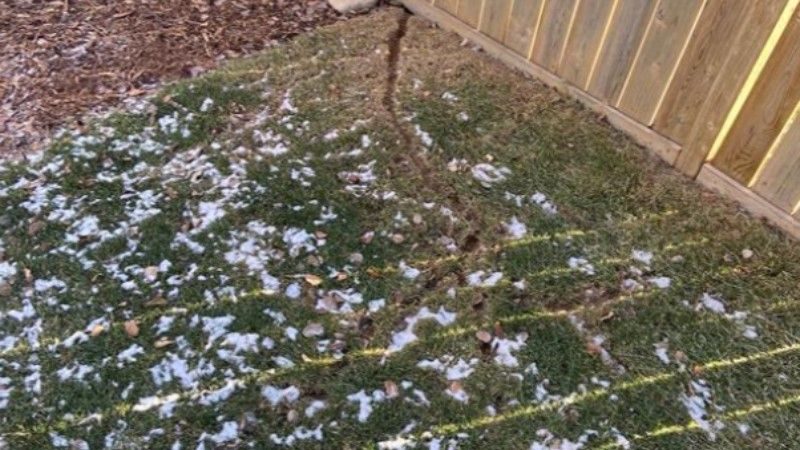
Something like this…
Or this…
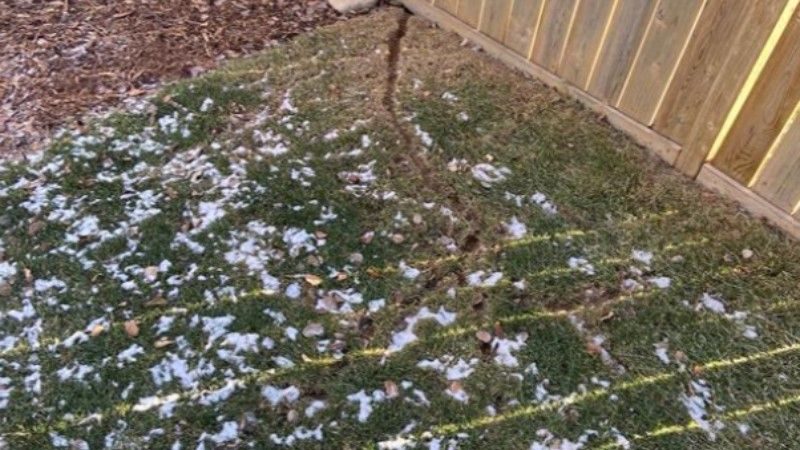
You’re seeing squiggly trails across the grass.
Maybe sections look flattened, yellow, or completely dead.
It’s frustrating, especially when you were hoping spring would reveal a clean slate.
Before you start pricing out new sod or blaming yourself, take a breath. What you’re seeing is extremely common across Western Canada, and in many cases, it’s caused by one small winter visitor: voles.
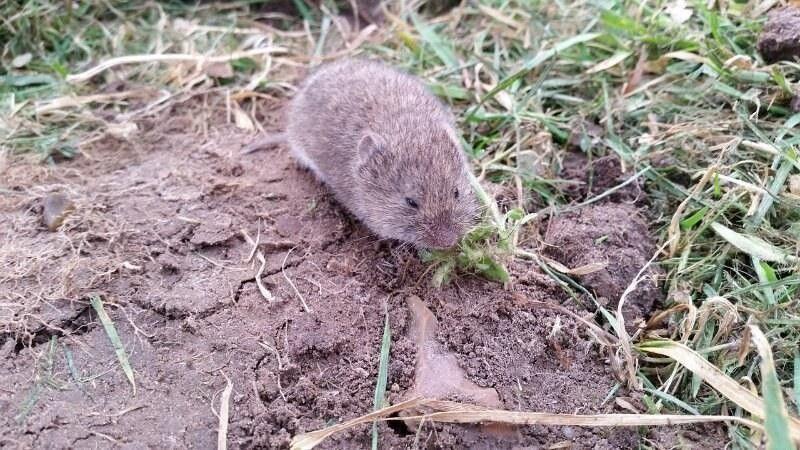
As seen on: https://www.buzzboss.com/learn/how-to-get-rid-of-voles-in-your-yard-expert-advice
Why Are Voles On Your Lawn?
Voles are small field mice that stay active all winter long. When snow piles up, it actually creates a warm, protected space underneath, almost like a blanket over your lawn. That’s where voles build little “runways” as they move around and feed.
You usually don’t notice them at the time. Everything’s hidden under snow.
Then spring arrives, and suddenly you’re staring at a network of criss-crossed trails where the grass has been chewed down or flattened.
The tell-tale signs look like:
- Thin, winding paths running across the lawn
- Patches of matted or dead-looking grass
- Narrow strips where grass appears missing
- Areas that feel flattened underfoot
Your Lawn Is Going to Be Fine
Fortunately, voles mostly damage the surface. In many cases, the roots underneath are still alive and ready to regrow once conditions improve. Lawns are surprisingly resilient, especially once temperatures rise and sunlight returns.
What you’re seeing right now is mostly cosmetic. It’s just dead grass blades sitting on top of healthy soil and roots. With a bit of early spring attention, your lawn could bounce back beautifully within a few weeks.
How to Repair Vole Damage (Step by Step)
You don’t need heavy equipment or a complicated process. Think gentle recovery, not aggressive renovation.
1. Lightly rake the damaged areas
Start by removing the matted, dead grass sitting on the surface. Those flattened runways block sunlight and airflow, which slows recovery and keeps soil colder and wetter than it needs to be.
Use a leaf rake or fan rake and work gently so you don’t pull up healthy roots underneath. You’re not dethatching or ripping anything out. You’re just clearing away the layer that prevents new grass from coming back.
2. Loosen the soil surface
Once the area is cleaned up, lightly scratch the soil with the rake to break up crusted or compacted spots.
Vole traffic and snow weight can press the soil down over winter, making it harder for seed to establish. You only need to loosen the top layer. This improves seed-to-soil contact, helps moisture soak in evenly, and creates better conditions for quick germination.
3. Overseed the thin or bare spots
Overseeding is what truly repairs the visual damage. Spread seed evenly along the runways and surrounding thin areas to encourage uniform growth instead of patchy regrowth.
Early spring or fall overseeding gives you a major advantage. Cooler temperatures and natural moisture reduce stress on young grass while helping seed establish before summer heat arrives.
Filling those gaps early also prevents weeds from claiming the open space.
4. Feed your lawn
Fresh seed and recovering grass need nutrients to grow thick enough to blend with the surrounding lawn. A balanced spring fertilizer supports root development, speeds up recovery, and improves overall turf density.
Strong grass is the best defence against future damage because it rebounds faster and resists stress more effectively.
5. Water consistently
New seed needs steady moisture. This does not mean soaking. Light, regular watering keeps the top layer of soil moist so germination can happen evenly.
Letting the soil dry out between watering cycles can stall growth, while overwatering can wash seed away. The goal is steady moisture until new grass is established and starting to fill in.
6. Bonus Tip
If you’re noticing signs of ongoing vole activity, it may be worth addressing that first. Repairing thin or damaged areas can be frustrating if tunneling continues underneath the surface.
If you’re unsure whether the damage is active or old, our partners at Buzz Boss can help assess the situation. Once the vole issue is resolved, your lawn repairs have a much better chance of lasting. Here’s where you can book your rodent service.
Why Some Lawns Struggle to Bounce Back
Here’s something you probably don’t realize, but vole damage isn’t always the whole story. Sometimes winter simply exposes issues that were already there.
Lawns may recover more slowly when:
- Grass was thin going into fall. Thin turf leaves more exposed soil under the snow, which makes it easier for voles to move around and harder for the lawn to bounce back in spring.
- Soil is compacted. Compacted soil limits airflow, water movement, and root expansion. When the ground is packed down, new seed struggles to establish and existing grass has a harder time filling back in after damage.
- Nutrient levels are low. Grass coming out of winter is already stressed and needs energy to restart growth. If soil nutrients are depleted, recovery slows significantly.
- The lawn was stressed from summer heat or drought. Lawns that went into winter weakened by heat stress or lack of moisture often have shallower roots. That means less stored energy for spring recovery and a slower response when repairing vole runways.
When turf is already weak, winter activity can leave bigger-looking scars. And that’s why some areas don’t fill in naturally.
Other Damage You Might Notice After Snow Melt
Not everything you see in spring is caused by voles. A few other winter issues often show up at the same time:
- Snow mould: Grey or pink patches that look fuzzy or matted. Usually clears up once grass dries and airflow improves.
- Rabbit nibbling: Clean-cut grass or shrub damage near edges of the yard.
- Mole tunnelling: Raised ridges instead of surface runways — a different pattern than voles.
- Winter dehydration: Yellow or brown areas caused by dry winter conditions rather than animals.
The important thing is not to panic. Most spring lawn problems look dramatic early but improve quickly with the right approach.
Ready to Refresh Your Lawn This Spring?
If your yard is showing signs of vole damage or winter wear, Green Drop makes it easy to get back to a healthy, full lawn.
Book your lawn care package, and add-on overseeding, fertilizer and SoilBooster™ treatments for the complete spring rebound deal.