




Your soil lawn has looked a little lacklustre recently, which means it’s time to consider aeration services. Green Drop has created a state-of-the-art program for aeration that guarantees results for the longevity of your yard.
Is your lawn turning brown in patches?
It might not be drought.
Chinch bugs and sod webworms are one of the most common (and most misdiagnosed) causes of lawn damage during hot Canadian summers.
At Green Drop, we’ve developed a targeted treatment program designed to identify and control damaging lawn insects before they cause widespread turf loss.
With our Lawn Insect Defender program, you can expect:
- Reduced chinch bug and sod webworm populations
- Protection for healthy surrounding turf
- Support for lawn recovery and regrowth
- Expert monitoring and follow-up treatments
- Long-term lawn health strategies to reduce future infestations
Restoring your lawn starts with addressing what’s happening beneath the surface. With our scientifically backed treatment process, you can stop insect damage and give your lawn a chance to recover.
Book your Lawn Insect Defender estimate today and stop the damage before it spreads.
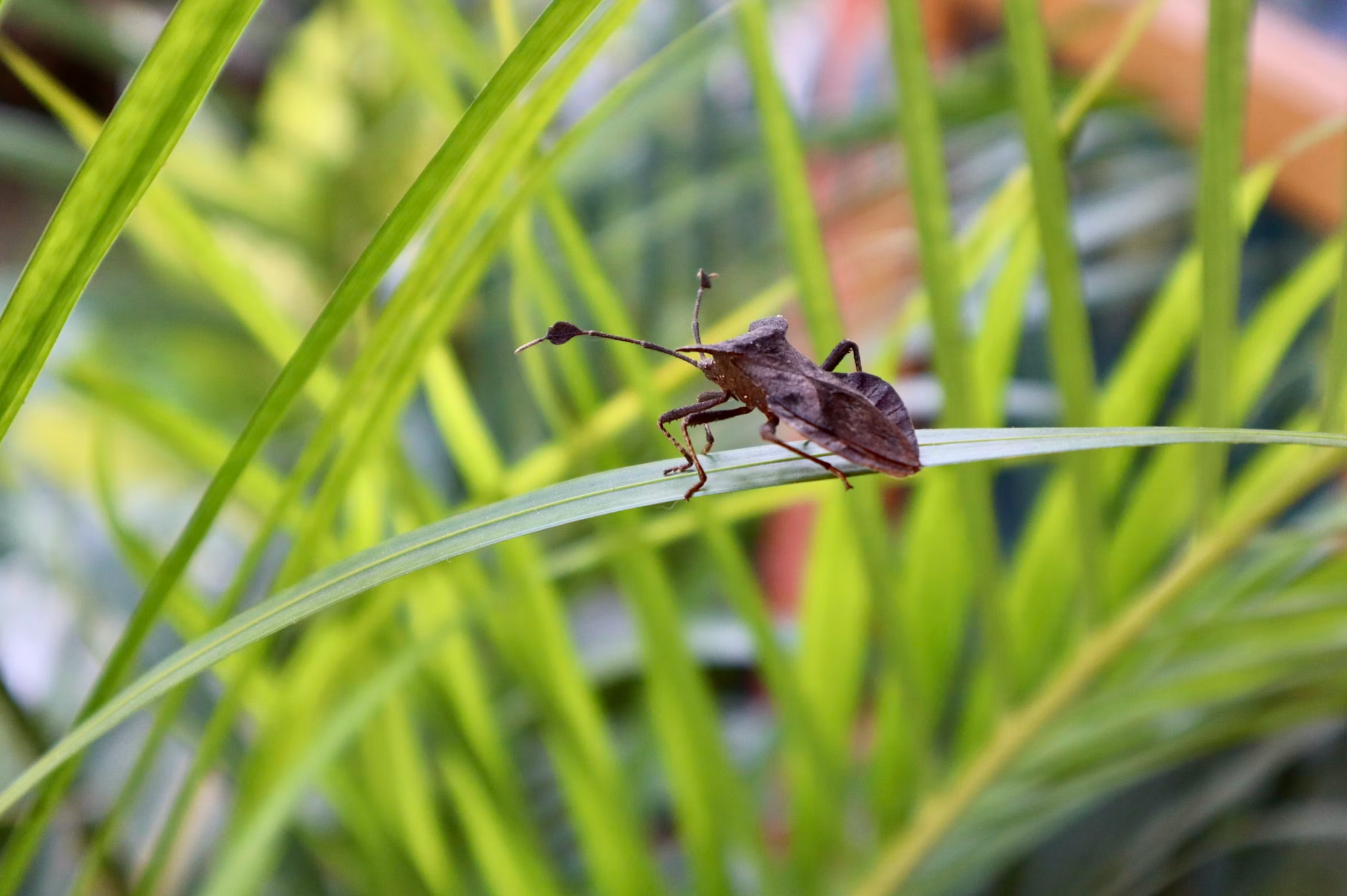
What Insects Does Lawn Insect Defender Control?
Chinch Bugs
Chinch bugs are small lawn insects that live in the thatch layer (right where your grass meets the soil). These pests feed on turfgrass by piercing the plant and extracting its juices, while also injecting toxins that disrupt the grass’s ability to absorb water and nutrients. And most of the time, you’ll often mistake the damage they cause for drought or disease, which allows the problem to spread before it’s properly identified.
Adult chinch bugs are about the size of a sesame seed (3–4 mm long), typically black with white wings. Younger chinch bugs, called nymphs, are even smaller and appear bright red or orange with a distinct white band across their backs.
Common signs of chinch bug damage include:
- Yellowing patches that gradually turn brown
- Turf that looks dry or drought-stressed, even after watering
- Damage that starts near sidewalks, driveways, and sunny areas
- Patches that expand outward over time as the infestation spreads
If left untreated, chinch bugs can cause significant lawn damage, with entire sections of turf dying in more severe cases.
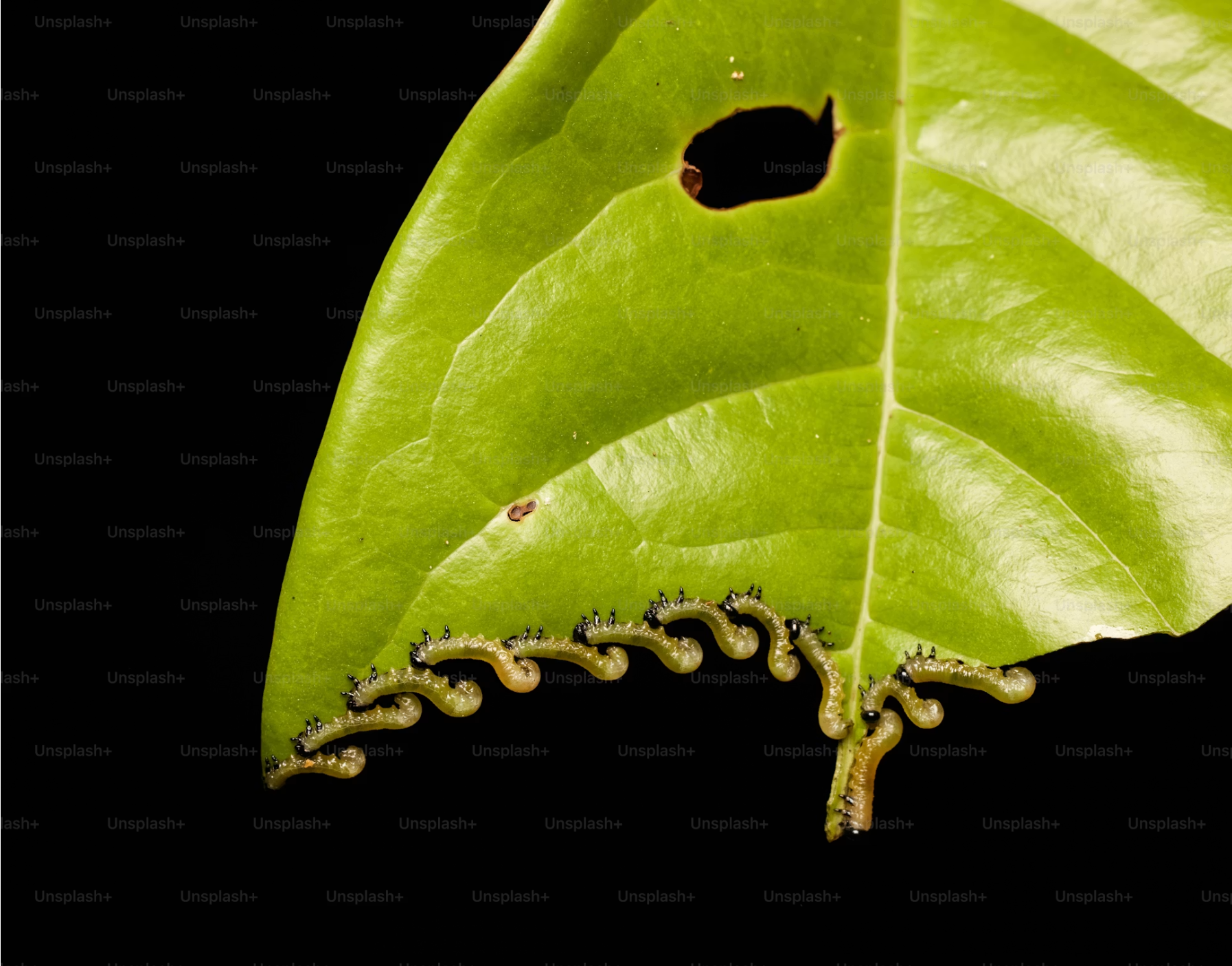
Sod Webworms
Sod webworms are the larval stage of lawn moths. While adult moths don't damage your lawn, their caterpillar-like larvae feed on grass blades and crowns, which leads to turf thinning and brown patches.
Because sod webworms feed primarily at night and hide in the thatch layer during the day, you don't realize they're there until you see visible damage.
Common signs of sod webworm damage include:
- Small brown patches that gradually enlarge
- Thin, ragged-looking grass blades
- Areas that appear scalped or chewed
- Increased bird activity as birds feed on the larvae
- Turf that pulls up easily in damaged areas
Like chinch bug damage, sod webworm damage is frequently mistaken for drought stress or disease.
Book your Lawn Insect Defender estimate today and stop the damage before it spreads.
How Green Drop Stops Chinch Bug & Sod Webworm Damage
Once chinch bugs or sod webworms are confirmed, the priority is simple: stop the damage fast and prevent it from coming back. At Green Drop, we follow a proven, step-by-step treatment process designed to target the infestation at its source and support your lawn’s recovery.
Our Proven Treatment Process
Accurate Identification
We start with a thorough inspection and sampling to confirm bug activity, so we’re not treating the wrong problem.
Targeted Treatment Application
A professional-grade insecticide is applied directly to affected areas, reaching into the thatch layer where chinch bugs and sod webworms live and feed.
Follow-Up Treatment
Approximately two weeks later, we will perform a second application to control newly hatched insects and prevent the population from rebounding.
Ongoing Monitoring & Lawn Support
We continue to assess your lawn and provide guidance on watering, mowing, and stress reduction to help your turf recover.
Because these insects live below the surface, proper application and coverage are critical. That’s why our approach focuses on treating active zones, eliminating multiple life stages, and ensuring long-term control.
Book your Lawn Insect Defender estimate today and stop the damage before it spreads.
What Happens If Chinch Bugs & Sod Webworms Aren’t Controlled
The insect damage doesn’t stay in one place. It will spread. What starts as a few dry-looking patches can quickly turn into a much bigger problem if the underlying cause isn’t addressed.
- Damaged patches continue to expand
- The turf becomes increasingly stressed and weakened
- Healthy grass struggles to compete and recover
- Large sections of lawn can eventually die
Small patches can quickly turn into full lawn replacement zones.
How To Prevent Future Lawn Insect Infestations
Healthy, well-maintained turf is your best defence against future infestations. Homeowners can support long-term results by:
- Watering deeply during dry periods to reduce lawn stress (instead of frequent shallow watering)
- Maintaining proper mowing height (no shorter than 2.5–3 inches) to keep grass strong and shaded
- Minimizing lawn stress during hot weather to prevent the turf from becoming vulnerable
- Following recommended lawn care practices to support consistent growth and recovery
- Reduce excessive thatch buildup that provides shelter for insects
Why Most Lawn Damage Gets Misdiagnosed
At first glance, chinch bug damage doesn’t look like an insect problem—it looks like a lawn that just needs more water. That’s where many homeowners get it wrong.
The early signs of chinch bug and sod webworm activity can resemble:
- Drought stress
- Underwatering
- Lawn disease or fungus
- General summer lawn stress
So the natural response is to water more or try general lawn treatments. But if these lawn insects are the cause, those solutions won’t fix the problem.
In fact, the damage will continue to spread.
The key is accurate diagnosis. That’s when you call Green Drop.
Book your Lawn Insect Defender estimate today and stop the damage before it spreads.
FAQs
How do I know if I have chinch bugs or sod webworms?
Both pests can cause brown patches and thinning turf, which is why they are often confused with drought stress. The best way to know for sure is through a professional inspection. Our technicians can identify the source of the damage and recommend the appropriate treatment.
How do I know if it’s chinch bugs, sod webworms, or drought?
This is one of the most common questions we get—and honestly, one of the hardest to answer without a proper inspection. Chinch bug or sod webworm damage looks a lot like drought: dry, yellowing patches that don’t seem to improve with watering, and scalped or chewed-up areas.
The key difference is when you’re watering consistently and those patches keep spreading, especially in hot, sunny areas like along sidewalks or driveways. That’s when there’s a good chance insects are involved.
The safest move is to have it checked. Treating drought when it’s actually insects can let the damage spread quickly.
When are chinch bugs most active in Canada?
Chinch bugs thrive in hot, dry conditions (typically mid to late summer in most parts of Canada).
This is when lawns are already under stress, which gives chinch bugs the perfect opportunity to feed and multiply. Populations can build throughout the season, which is why damage often seems to get worse as the summer goes on.
When are sod webworms most active?
Sod webworms are typically most active during the warmer months of the growing season, with damage becoming most noticeable from late spring through early fall. In many parts of Canada, we notice activity tends to peak during July and August, when temperatures are warm, and lawns may already be experiencing heat or drought stress.
Where do chinch bugs come from?
Chinch bugs are actually already part of the local environment. They’re not something you accidentally bring in with sod or fertilizer.
They overwinter in protected areas like:
- Leaf litter
- Mulch beds
- Shrubs and hedges
- Naturalized or wooded areas
- Debris around foundations
As temperatures warm up in spring, they emerge and begin laying eggs in your lawn. Multiple generations can develop over the summer, which is why infestations can escalate quickly during hot weather.
Where do sod webworms come from?
Sod webworms are a naturally occurring lawn pest. They aren't introduced through sod, fertilizer, or lawn care treatments. In fact, they're already part of the local environment.
Does Lawn Insect Defender treat both chinch bugs and sod webworms?
Yes, our Lawn Insect Defender program is designed to identify and control common lawn-damaging insects, including chinch bugs and sod webworms.
This approach gives you one service page targeting:
- chinch bug treatment
- sod webworm treatment
- lawn insect control
- brown patches in the lawn
- insect lawn damage
How long does it take for your treatment to work?
The recovery timeline for each person’s lawn varies depending on:
- The severity of the infestation
- Weather conditions
- Lawn care practices
- Overall turf health
Some lawns may begin to show improvement within a few weeks, while more heavily damaged areas may take longer to fill in. The most important thing to remember: treatment stops further damage, but it cannot repair grass that has already died (although Green Drop can help).
Do I need more than one treatment?
Yes. Chinch bugs and sod webworms go through multiple life stages, and eggs can hatch after the initial treatment. That’s why our process consists of two applications (two weeks apart) to control newly hatched insects and prevent the population from bouncing back. This two-step approach is what ensures more complete, long-term control.
Will my lawn fully recover?
In many cases, yes, but it depends on how severe the damage was.
If caught early, your lawn can recover quite well with proper care. In more advanced cases, some areas may need a little extra help, like overseeding.
The good news is that once the insects are controlled, your lawn can focus on repairing itself and growing back stronger.
Will the treatment bring dead grass back?
This is a common misconception. Treatments are designed to eliminate the insects, not revive grass that has already died. However, once the insects are controlled:
- Healthy grass can spread into damaged areas
- New growth can develop with proper watering and care
- Overseeding can help restore heavily affected spots
Stopping the insects is what allows recovery to begin.
What should I expect right after a treatment?
Right after the treatment, your lawn is protected, but it may not look better immediately, and that’s completely normal.
- Existing damage may still be visible at first
- The lawn needs time to stabilize and begin recovering
- Healthy turf will gradually fill in affected areas
- Overseeding may be recommended for faster results
With the cause addressed, your lawn is now in the best position to recover.
When should I contact Green Drop?
If your lawn is developing yellow or brown patches that continue to spread during hot weather, it’s a good time to reach out. The earlier we can identify insect activity, the easier it is to control, and the less damage your lawn will experience.
A quick inspection can give you a clear answer and help you take the right next step before the problem gets worse.